-
Investigative Journalism
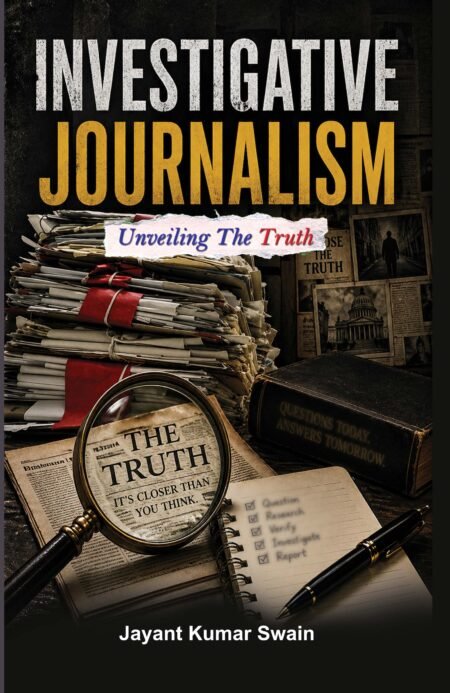
₹375.00The present book is a concise course in investigative journalism. We do not have many publications on investigative journalism with academic intent. The topic will have fleeting references in the classrooms. The book has been divided into ten useful chapters. Each chapter is a reservoir of information. The first chapter deals with a general introduction to fundamentals of investigative journalism where efforts have been made to help them understand the significance of investigative journalism in society and distinguish between the routine and investigative journalism. The second entitled Investigative Reporting in Indian Context provides a detail account of investigative reports in pre and post independence along with a checklist for investigation in financial matters of national importance. The third section is devoted to various stages of investigative reporting. The fourth section deals with the strategies for overcoming problems in developing story idea and the usefulness of hypothesis. Planning is an important stage of investigative reporting for which efforts have been made in the fifth chapter of this book to explain how to make strategies for time, budget, and methodology planning. The sixth chapter of this textbook is on data security that speaks a volume about how journalists will protect their data from unauthorized access, theft, modification and mis-utilization by making it hard, lengthy and expensive. They will also learn the techniques to build their own database. The contents of chapter seven is on the protection of human sources. The chapter eight explains the techniques of interviews which are of practical utility for every type of reporting. The target audience of this textbook after going through the contents presented in the chapter nine that is on story writing for print and broadcast media will develop confidence and learn techniques to write the story. The ethics of investigative journalism happens to be the last chapter which is not only important for investigative reporting but also for all types of reporting. The suggestions, tips, and creative contents provided in this book will be a driving force for journalists passionate about undertaking investigative assignments. The target audiences of this textbook are students, teachers, researchers, media professionals, citizen journalist or independent investigative journalist, who will receive a complete idea about the very concept of investigative journalism, its practice and relevance in Indian context, and develop reporting skills through the engaging contents of this textbook. The consumers of this textbook will find this book valuable for its substantive content and new perspectives in investigative journalism.
-

Investigative Journalism
₹375.00The book has been divided into ten useful chapters. The first chapter deals with a general introduction to fundamentals of investigative journalism where efforts have been made to help people understand the significance of investigative journalism in society and distinguish between the routine and investigative journalism. The second chapter titled with Investigative Reporting in Indian Context provides a detail account of investigative reports in pre and post independence along with a checklist for investigation in financial matters of national importance. The third section is devoted to various stages of investigative reporting. The fourth section deals with the strategies for overcoming problems in developing story idea and the usefulness of hypothesis. Planning is an important stage of investigative reporting for which efforts have been made in the fifth chapter of this book to explain how to make strategies for time, budget, and methodology planning. The sixth chapter of this textbook is on data security that speaks a volume about how journalists will protect their data from unauthorized access, theft, modification and mis-utilization by making it hard, lengthy and expensive. The contents of chapter seven is on the protection of human sources. The chapter eight explains the techniques of interviews which are of practical utility for every type of reporting. The target audience of this textbook after going through the contents presented in the chapter nine that is on story writing for print and broadcast media will develop confidence and learn techniques to write the story. The ethics of investigative journalism happens to be the last chapter which is not only important for investigative reporting but also for all types of reporting.Efforts have been made to match the volume of readership with the quality of exposition embodied in this book. It was the feedback from students who narrated the difficulties they face in studying the investigative journalism in the absence of adequate written accounts. When writing this book, I have tried to use all the good knowledge on the subject I could find. My debt of gratitude is therefore so large that it is impossible to acknowledge all cases of direct and indirect influence. The ideas of leading scholars and researchers who have been active in a number of academic fields have been incorporated so as to enrich the contents of the book. Though information culled from various sources has been checked and re-checked blemishes cannot be ruled out altogether. Suggestions from discerning readers will be most welcome.