-
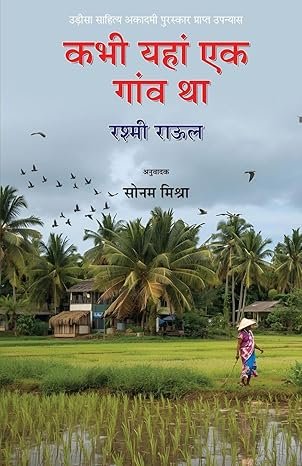
Kabhi Yahan Ek Gaon Tha
₹250.00Srimayi visits her village with her daughter, Khusi, taking a break from her hectic and tedious city life. Nature’s healing power soothed her soul while she strolled with her niece Rupa on Naib’s homestead. The majestic and untouched beauty of the surroundings gets gradually polluted and decayed with the influx of city lifestyle. Foreign liquor shops are open in the village. The village youth spoil their life. Some known persons are still alive, while some are not. The innocence of village life is smothered by cut-throat competition and rat race, as observed in city life. People have been self-centred because of political interference and modernization. Loneliness pervades everywhere. Love and affection get blighted. Hypocrisy knocks on the doors of innocent lives.
Nobody can forget the village life, people, and the arresting beauty of the countryside. The village always occupies a happy seat in one’s heart. Emotions and passions are attached to every object of Nature. Nowadays, the electricity replaces the kerosene lamps and lanterns. The electrical gadgets are used best. Srimayi recollects her grandmother’s stories, the flowers of ridge gourd, and cucumber creepers on the people’s hedges in the early dusk. On one side, she misses the villagers’ erstwhile love and affection; on the other, she thinks about how the village youth get infatuated with love, barring all kinds of social parameters. The novelist pines for what is missing in the present village life. Now, the age has changed, and the village has been modernized. The natural flow of life is shrouded with artificiality. Artificial fertilizers and insecticides poison the taste of crops, cereals and vegetables. Many animals and birds are not seen in the village. Youth need to show more interest in ploughing or cultivating the farmland. Healthy relationships between communities get fissured and punctured. Minor issues are taken up to the police station and court. Nobody pays any heed to the older people’s decisions. The simplicity of the village life is lost. At the novel’s end, the novelist doubts whether the villagers can protect their culture or whether it will be assimilated into the city culture. Hence, the title of the book “My Lost Village” is appropriately justified.
The novel seems autobiographical. The novelist’s childhood life in Langeleswar village of Balasore district is the setting for this work of art. It happens in everybody’s life. This pastoral setting of the novel can appeal to readers with human sensibility.
-
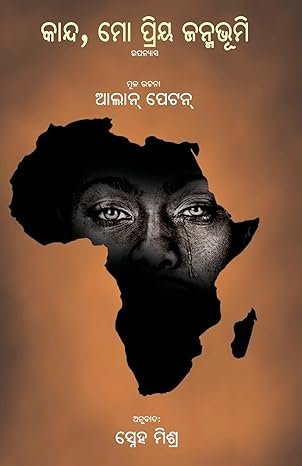
Kanda Mo Priya Janmabhumi
₹380.00ୟୁରୋପୀୟ ସାମ୍ରାଜ୍ୟବାଦ ଓ ଖ୍ରୀଷ୍ଟିଆନ ଧର୍ମାନ୍ତରୀକରଣ ପୃଷ୍ଠପଟରେ ଲିଖିତ ଏଇ ଉପନ୍ୟାସରେ କ୍ରମବର୍ଦ୍ଧିଷ୍ଣୁ ବର୍ଣ୍ଣ ବୈଷମ୍ୟବାଦ ଓ ଜାତିଭେଦ ବିରୋଧରେ ଆଫ୍ରିକାର କୃଷ୍ଣକାୟ ଅଧିବାସୀଙ୍କର ବିଦ୍ରୋହର ସ୍ୱର ପ୍ରତିଫଳିତ ହେଇଛି । ଅର୍ଥନୈତିକ, ସାମାଜିକ, ଜାତିଗତ ବିଷମତା ଭିତରେ ସେଠି କେମିତି ଚାରିଆଡ଼େ ଭୟର ବାତାବରଣ ଘେରି ରହିଛି ତାର ଅବତାରଣା କରାଯାଇଛି । ଏପରିକି ନବଜାତକ ଶିଶୁ ବି ଉତ୍ତରାଧିକାର ସୂତ୍ରରେ ଭୟ ନେଇ ଜନ୍ମ ହୁଏ – ପ୍ରିୟ ମଣିଷକୁ ହରାଇବାର ଭୟ, ବିଶ୍ୱାସ ହରାଇବାର ଭୟ, ଅପରାଧର ଭୟ, ବିଖଣ୍ଡିତ ପରିବାରର ଭୟ ଇତ୍ୟାଦି… ଏଇ ପରିପ୍ରେକ୍ଷୀରେ ସହର ବନାମ ଗାଁ, ପାରମ୍ପରିକ ଦେଶୀୟ ଜୀବନ ବନାମ ତଥାକଥିତ ସଭ୍ୟ ସହରୀକରଣ, ମୂଲ୍ୟବୋଧ ଭିତ୍ତିକ ବାପା ବନାମ ପୁଅର ଜୀବନଦୃଷ୍ଟି ଆଦିର ଏକ ସଂଘର୍ଷମୟ ବିରୋଧାଭାସକୁ ଜଟିଳ ରୂପକ ଓ ଅଳଙ୍କାର ମାଧ୍ୟମରେ ଚିତ୍ରଣ କରି ଆଲାନ୍] ପେଟନ୍] ଆଫ୍ରିକୀୟ ସମାଜର କ୍ରମବର୍ଦ୍ଧିଷ୍ଣୁ ଅବକ୍ଷୟକୁ ଦର୍ଶାଇଛନ୍ତି ।
ବର୍ଣ୍ଣବୈଷମ୍ୟବାଦର କୁପରିଣାମ ଉପରେ ଏକ ସାମାଜିକ ବିବରଣୀ ଭାବରେ ବିବେଚିତ ଏଇ ଉପନ୍ୟାସଟିକୁ ଓଡ଼ିଆ ପାଠକଙ୍କ ପାଖରେ ପହଞ୍ଚାଇବାକୁ ଏହା ଏକ ବୌଦ୍ଧିକ ପ୍ରୟାସ ମାତ୍ର ।
-

Labanga
₹350.00ଲବଙ୍ଗର ମୂଳ ହିନ୍ଦି ଲେଖକ ସ୍ୱର୍ଗତ କୁଶବାହା କାନ୍ତ ଏହାକୁ ବିଂଶ ଶତାବ୍ଦୀର ଚତୁର୍ଥ ଦଶକରେ ଲେଖିଥିଲେ । ସେଥିରେ ସେ ସେତେବେଳର ଅର୍ଥାତ୍] ଦେଶ ସ୍ୱାଧୀନ ହେବାର ଠିକ୍] ପୂର୍ବର ଏବଂ ପରବର୍ତ୍ତୀ କାଳର ସାମାଜିକ ତଥା ଅର୍ଥନୈତିକ ଅବସ୍ଥାର ସୁନ୍ଦର ଭାବରେ ଚିତ୍ରଣ କରିଥିଲେ । ମୋତେ ବହୁତ ଭଲ ଲାଗିଥିଲା, ତେଣୁ ତାକୁ ଓଡ଼ିଆ ଭାଷାରେ ଅନୁବାଦ କରିବାକୁ ମନସ୍ଥ କରିଥିଲି ।
ଏହି ମୂଳ ପୁସ୍ତକଟି ଲେଖା ହେଲାବେଳେ ସେତେବେଳର ଟଙ୍କା ପଇସା ଆମର ଏବେକାର ଚଳୁଥିବା ଟଙ୍କା ପଇସା ଠାରୁ ଅଲଗା ଥିଲା । ସେତେବେଳେ ଏକ ଟଙ୍କା ଷୋଳ ଅଣା ଏବଂ ଏକ ଅଣା ଚାରି ପଇସା ଥିଲା । ପୁଣି ଏକ ପଇସାର ଅଧାକୁ ଅଧୁଲି କୁହାଯାଉଥିଲା ଏବଂ ପଇସାର ଏକ ତୃତୀୟାଂଶକୁ ପାହୁଲି କୁହାଯାଉଥିଲା । ସେତେବେଳର ବଜାର ଦରଦାମକୁ ନେଇ ଏତିକି କୁହାଯାଇପାରେ ଯେ, ସେତେବେଳେ ସୁନା ଏକଭରି (୧୧.୬୬ ଗ୍ରାମ)ର ମୂଲ୍ୟ ୯୯ ଟଙ୍କା ଥିଲା । ସେହି ପରିପ୍ରେକ୍ଷୀରେ ପାଠକମାନେ ଏହି ବହିଟିକୁ ପଢ଼ିବାକୁ ଅନୁରୋଧ ।
— ଚିତ୍ତରଞ୍ଜନ ପଟ୍ଟନାୟକ
-

Mote Chinha
₹250.00ସତୀପ୍ରଥା ପରି ଏକ ଘୃଣ୍ୟ ପ୍ରଥା ବିଷୟରେ କିଏ ବା ଅବଗତ ନୁହଁନ୍ତି! ସମାଜରୁ ଏହି କୁପ୍ରଥା ଉଚ୍ଛେଦ କରିବାରେ ମୁଖ୍ୟ ପୁରୋଧା ସାଜିଥିବା ରାଜା ରାମମୋହନଙ୍କ ଭାଉଜଙ୍କ ସତୀ ହେବା ଘଟଣାର ବର୍ଣ୍ଣନା ମୋତେ ବିସ୍ମିତ କରିଥିଲା। ସ୍ୱାମୀଙ୍କ ମୃତ୍ୟୁ ପରେ ଅଲୋକାମଞ୍ଜରୀଙ୍କୁ ସତୀ ହେବା ପାଇଁ ଚିତାରେ ବସାଇଦିଆ ଯାଇଥିଲା। ଚିତାରେ ଅଗ୍ନିସଂଯୋଗ ପରେ ଲୋକମାନେ ସେଠାରୁ ଚାଲି ଆସିଥିଲେ। ଅଲୋକାମଞ୍ଜରୀ ନିଜକୁ ନିଆଁ ମୁହଁରୁ ବଞ୍ଚାଇ ଅଧାଜଳା ଅର୍ଦ୍ଧଉଲଗ୍ନ ଅବସ୍ଥାରେ ଏକ ବୁଦା ମୂଳରେ ଆତ୍ମଗୋପନ କରିଥିଲେ। କିନ୍ତୁ ସକାଳେ ତାଙ୍କୁ ଜୀବିତ ଥିବା ଦେଖିପାରି ଲୋକମାନେ ପୁଣି ଥରେ ନେଇ ତାଙ୍କୁ ଚିତାରେ ଜାଳି ଦେଇଥିଲେ। ଏପରି ଘଟଣା ମାନବତା ପ୍ରତି ଏକ ଶକ୍ତ ପ୍ରହାର ଅଟେ। ଏହି ଲୋମହର୍ଷଣ ଘଟଣାରେ ବ୍ୟଥିତ ରାମମୋହନ ସତୀପ୍ରଥା ଉଚ୍ଛେଦ ପାଇଁ ଆପ୍ରାଣ ଉଦ୍ୟମ କରିଥିଲେ। ଲେଖକ ଇତିହାସର ଏହି ବାସ୍ତବ ଚରିତ୍ର ସହ ଉପନ୍ୟାସର ମୁଖ୍ୟ ଚରିତ୍ର ସାବିତ୍ରୀ କୁଅଁରକୁ ତୁଳନା କରିଛନ୍ତି। ସେ କିନ୍ତୁ ଅଲୋକାମଞ୍ଜରୀଙ୍କ ପରି ସମାଜ ଓ ଅନ୍ଧବିଶ୍ୱାସ ଆଗରେ ହାରି ନ ଯାଇ ବଞ୍ଚିବା ପାଇଁ ସଂଘର୍ଷ କରିଛି। କିନ୍ତୁ ତାକୁ ତା ନିଜ ବାପାମାଆ ମଧ୍ୟ ଗ୍ରହଣ କରିବାକୁ ରାଜି ହୁଅନ୍ତିନି। ଏପରି ଅନେକ ଘଟଣା ଓ ଚରିତ୍ରର ନିଖୁଣ ବର୍ଣ୍ଣନା ଉପନ୍ୟାସକୁ ସୁଖପାଠ୍ୟ କରି ଗଢ଼ିତୋଳିଛି।
କିଛି ଘଟଣାବଳୀ ଓ ପ୍ରଥାକୁ ଲେଖକ ଯେପରି ବୈଜ୍ଞାନିକ ତର୍କ ମାଧ୍ୟମରେ ଉପସ୍ଥାପିତ କରିଛନ୍ତି ତାହା ଖୁବ୍ ଗୁରୁତ୍ୱପୂର୍ଣ୍ଣ। କହିବାକୁ ଗଲେ, ଏହି ତଥ୍ୟ ଗୁଡିକ ହିଁ ମୋତେ ବହିଟିକୁ ଅନୁବାଦ କରିବା ପାଇଁ ପ୍ରେରିତ କରିଛନ୍ତି କହିଲେ ଅତ୍ୟୁକ୍ତି ହେବନାହିଁ। ଆମର ଦୈବୀପୀଠଗୁଡ଼ିକ ବିଷୟରେ ସବିଶେଷ ଜାଣିବା ତାହା ପୁଣି ଏକ ବୈଜ୍ଞାନିକ ତର୍କ ଦେଇ… ନିଶ୍ଚିତ ରୂପେ ପାଠକକୁ ଏକ ନୂତନ ଅନୁଭୂତି ଦିଏ।
-
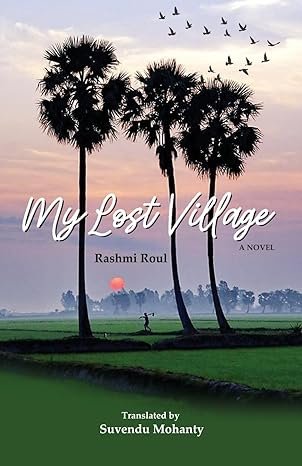
My Lost Village
₹250.00Srimayi visits her village with her daughter, Khusi, taking a break from her hectic and tedious city life. Nature’s healing power soothed her soul while she strolled with her niece Rupa on Naib’s homestead. The majestic and untouched beauty of the surroundings gets gradually polluted and decayed with the influx of city lifestyle. Foreign liquor shops are open in the village. The village youth spoil their life. Some known persons are still alive, while some are not. The innocence of village life is smothered by cut-throat competition and rat race, as observed in city life. People have been self-centred because of political interference and modernization. Loneliness pervades everywhere. Love and affection get blighted. Hypocrisy knocks on the doors of innocent lives.
Nobody can forget the village life, people, and the arresting beauty of the countryside. The village always occupies a happy seat in one’s heart. Emotions and passions are attached to every object of Nature. Nowadays, the electricity replaces the kerosene lamps and lanterns. The electrical gadgets are used best. Srimayi recollects her grandmother’s stories, the flowers of ridge gourd, and cucumber creepers on the people’s hedges in the early dusk. On one side, she misses the villagers’ erstwhile love and affection; on the other, she thinks about how the village youth get infatuated with love, barring all kinds of social parameters. The novelist pines for what is missing in the present village life. Now, the age has changed, and the village has been modernized. The natural flow of life is shrouded with artificiality. Artificial fertilizers and insecticides poison the taste of crops, cereals and vegetables. Many animals and birds are not seen in the village. Youth need to show more interest in ploughing or cultivating the farmland. Healthy relationships between communities get fissured and punctured. Minor issues are taken up to the police station and court. Nobody pays any heed to the older people’s decisions. The simplicity of the village life is lost. At the novel’s end, the novelist doubts whether the villagers can protect their culture or whether it will be assimilated into the city culture. Hence, the title of the book “My Lost Village” is appropriately justified.
The novel seems autobiographical. The novelist’s childhood life in Langeleswar village of Balasore district is the setting for this work of art. It happens in everybody’s life. This pastoral setting of the novel can appeal to readers with human sensibility.
-
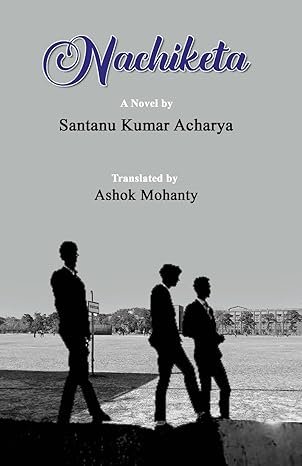
Nachiketa
₹400.00Nachiketa, the caption of the novel, follows the ideal, protagonist of Kathopnishad. Nachiketa was a truth seeker youth who exposed the deceit of his father, Vajasrava, a famous sage of the Vedic age. The father being publicly insulted reacted and cursed the boy to die instantly. The boy died instantly. But when his soul met Yama, the Lord of death, he refused to admit him in his realm. He asked him to return to life. But the boy refused to come back before acquiring the true knowledge about Life and death. He was blessed with the knowledge he sought and returned back to life as a learned person.
The present novel Nachiketa follows the same ideal of the Kathopanishad. Here, Nachiketa is used as a symbol to represent three aspirant scholars of an Indian University, named Ravenshaw College, situated in the city of Cuttack, Odisha, India.
It is in the aftermath of the Indian Independence when the British bequeathed the powers to the Democratically elected Government of India, on 15 August 1947. The Government of India formed its Govt in Delhi and the provincial Govts started functioning in their own provincial Headquarters, as per constitutional provision.
In the province of Odisha, the provincial Government took oath of the office and started functioning with their Legislative Assembly housed in the premises of the State’s premiere education institution, Ravenshaw College, Cuttack. Now, all of a sudden, the character of that historic educational institution of learning turned into shambles and instead of the wise heads, the Academicians and Deans, the college campus buzzed with Ministers, Members of the Legislative Assembly and politicians of all varieties, Congress, Communists, and Socialists etc.
During that period, three bright scholars, Bibhuprasad, Natabar, and Manmohan were doing their pre doctoral research in the department of Chemistry of that college. Until then they looked at their alma mater, Ravenshaw College at par with Cambridge and Oxford Universities of London and dreamed of Nobel Prizes in their chosen
areas of research and studies. But alas! One fine morning they discovered their beloved university turning into the citadel of active politics!
Politicization of education is the poison that killed the whole spirit of knowledge and wisdom for which India was once famous as a country of sages, since the Vedic times, over thousands of years. But the politicians, that inherited the powers from the British for the Governance of India, allowed the rot to spread and India was pushed to the third world category of nations for that single mistake of the politicians who inherited powers from the British in 1947.
The novel is a saga of the desperation of the youths of India, particularly, after the country became independent.
-
Nadan Premam
₹160.00‘ନାଦନ ପ୍ରେମମ୍]’ ଲଘୁ ଉପନ୍ୟାସକୁ ମୁଁ ୧୯୪୦ ମସିହାରେ ଲେଖିଥିଲି। ସିନେମାକୁ ଧ୍ୟାନରେ ରଖି ମୁଁ ଉପନ୍ୟାସ ରଚନା କରେନାହିଁ। କିନ୍ତୁ ମୋର ଏହି ପ୍ରଥମ ଉପନ୍ୟାସ ଏହାର ବ୍ୟତିକ୍ରମ। ୧୯୩୯-୪୦ର ପାଖାପାଖି ବୁମ୍ବାଇରେ ଏକ ଲକ୍ଷ ଟଙ୍କା ବ୍ୟୟରେ ଗୋଟିଏ ସିନେମା ନିର୍ମାଣ ସମ୍ଭବ ଥିଲା। ମୁଁ ଏହି ଉପନ୍ୟାସ ଏହି ଉଦ୍ଦେଶ୍ୟରେ ରଚନା କରିଥିଲି ଯେ ୟାକୁ ଚଳଚିତ୍ର ଭାବେ ରୂପାୟନ କରିବାକୁ ହେଲେ ବୁମ୍ବାଇର କେତେ ଜଣ ସ୍ୱଚ୍ଛଳ ବନ୍ଧୁଙ୍କ ଠାରୁ ଆର୍ଥିକ ସହାୟତା ମିଳିବ। କିନ୍ତୁ ମୋର ସେଇ ଆଶା ପୂରଣ ହେଲାନାହିଁ, ନା ପ୍ରୋତ୍ସାହନ କୋଉଠୁ ପ୍ରାପ୍ତ ହେଲା। ଯଦିଓ ଏହି ପ୍ରୟାସ ଫଳପ୍ରଦ ହେଲାନି, ତଥାପି ଉପନ୍ୟାସ ଭାବେ ଏହି କୃତି ବହୁତ ଲୋକପ୍ରିୟ ହେଲା। ଏହାର କେତେଗୁଡ଼ିଏ ସଂସ୍କରଣ ମଧ୍ୟ ପ୍ରକାଶ ପାଇଲା।
ଉପନ୍ୟାସ କ୍ଷେତ୍ରରେ ଏହା ମୋର ପ୍ରଥମ ପ୍ରୟାସ ଥିଲା। ଗ୍ରାମୀଣ ଜୀବନର ବିଷୟବସ୍ତୁ, ରୋମାଣ୍ଟିକ୍ କଳ୍ପନା ଏବଂ ସାମାଜିକ ଚଳନିର ଆକଳନ ଏହି ଉପନ୍ୟାସରେ ପ୍ରତିଫଳିତ ହୋଇଛି। ଉପନ୍ୟାସ ରଚନା କୌଶଳର ରାସ୍ତାରେ ଅନଭିଜ୍ଞ ହୋଇ ମୁଁ ଏହା ପ୍ରୟାସ କରିଥିଲି, କିନ୍ତୁ ଜଣାନାହିଁ କାହିଁକି ଏହି ଉପନ୍ୟାସଟି ଏତେ ଲୋକପ୍ରିୟ ହୋଇଗଲା।
ଲୋକଭାରତୀ ପ୍ରକାଶନ (ଏହ୍ଲାବାଦ) ଯେବେ ମୋତେ କହିଲେ ମୋର ଗୋଟିଏ ଉପନ୍ୟାସର ହିନ୍ଦୀ ଅନୁବାଦ ପ୍ରକାଶ କରିବେ ମୁଁ ‘ନାଦନ ପ୍ରେମମ୍]’କୁ ହିଁ ବାଛିଲି। ନିଜର ପ୍ରଥମ ସନ୍ତାନକୁ ଅଧିକ ଭଲପାଇବା ସ୍ୱାଭାବିକ କଥା। ଏହି ଉପନ୍ୟାସର ହିନ୍ଦୀ ଅନୁବାଦ ଅତ୍ୟନ୍ତ ଅଳ୍ପ ସମୟ ମଧ୍ୟରେ ଡ.ଆର.ସୁରେନ୍ଦ୍ରନ (ଆରସୁ) କରିଛନ୍ତି। ତାଙ୍କୁ ମୁଁ କୃତଜ୍ଞତା ଜଣାଉଛି।
ଏସ୍]. କେ. ପୋଟ୍ଟେକ୍କାଟ୍ଟ
-
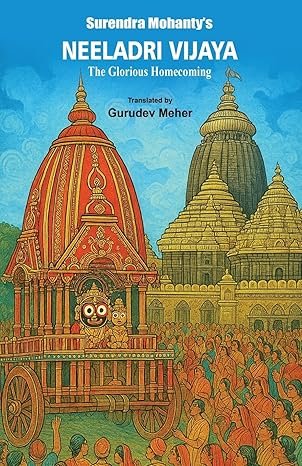
Neeladri Vijay: The Gorious Homecoming
₹500.00Neeladri Vijaya unfolds against the twilight of Chilika Lake, where the exiled Ramachandra Dev, once a mighty ruler, disguises himself as a humble oarsman while Lord Jagannath lies hidden in peril. Amidst drought and betrayal, loyal companions Lakshmi Paramaguru and Vishnu Paschim Kabat risk everything to rally allies and thwart a fraudulent Navakalevara. Secret journeys through forests and waterways, conspiracies in Murshidabad’s opulent court, and battles at Pipili weave a tale of devotion and defiance. At its heart lies Ramachandra’s agonizing choice between sacred duty and forbidden love for Razia. With shifting alliances and looming treachery, this epic novel dramatizes faith, sacrifice, and identity in an era of uncertainty, culminating in the deities’ triumphant restoration to Puri’s Ratna Simhasana.
-
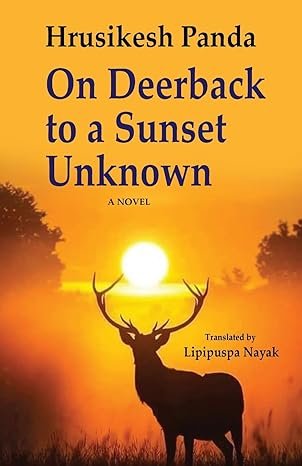
On Deerback to a Sunset Unknown
₹250.00This powerful work, of about a hundred and twenty pages, is a compact lyrical narrative, with a tight structure that blends worlds of fairytales with social reality of the Earth. The language of the novel is sheer poetry, and like poetry is sensitive to multiple interpretations and impressions. The idiom in its lyricism and quaint colloquiality is extremely difficult, challenging easy translation. Only, I have tried to get closer to the original. Harina… is the second book by the novelist. It connects thematically to both its predecessor Shun Sange Samayika Sandhi (a temporary truce with zero) and successor Sunaputra Loke (The People of Sunaput). While the first book discusses absurdity of existence and meaninglessness of life through the life’s story of an unemployed youth, handled with humour, Sunaput… takes up repeated government sponsoreddisplacements of a forest and hill community of southern Odisha on a larger scale and the subsequent uprising of a violent movement. The author has often expressed that he was unsure about his career as a writer, and his readership. Sunaput… brought him the prestigious Bhubaneswar Book Fair Award (1992), dispelling irreversibly any such cynicism. —Lipipuspa Nayak
-
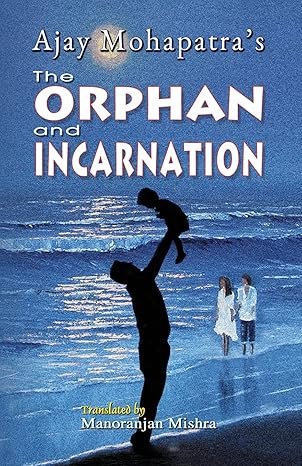
Orphan and Incarnation
₹200.00This is a collection of two novellas highlighting two burning problems that the society faces today – ill-treatment of in-laws in the hands of their daughter-in-law and live-in relationship.
-

Padmamali
₹300.00Published in 1888, Padmamali, by Umesh Chandra Sarkar, is said to be the first novel in Oriya. The sense in which Padmamali can be claimed to be a novel is complicated, however, by the fact that it intertwines strands from traditional genres with the novel form, mixing the old with the new, marking both continuity and innovation. It is perhaps precisely this generic hybridity which has led to Padmamali being considered the first novel, since while it is both a romance and a chronicle it is also more than either of these. Demonstrating an awareness of the process of telling a story and of its effect on potential readers, the narrator conflates the elements of romance (“the evil intention of the wicked man”) and of chronicle, presenting the story as having been dictated by historical events. Absolving the author of all responsibility, the narrator presents his story as pure historical truth, to which even the most marginal alterations are not permitted. In affirming this, however the narrator also insists on the nature of the text as ‘relation’, ‘narration’ and ‘story’-an insistence that contradicts the absolute faithfulness to history and echoes the Preface of 1888, which presents Padmamali as a product both of the writer’s imagination and of historical fact. As such it justifies the claim made for it as the first novel in Oriya.
-
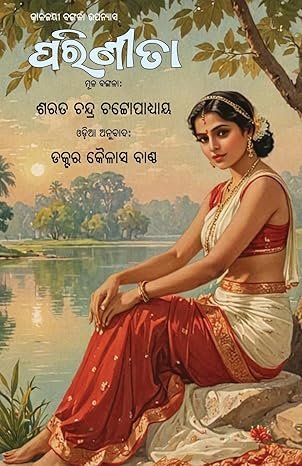
Parineeta
₹180.00ବଙ୍ଗୀୟ ଔପନ୍ୟାସିକ ଶରତଚନ୍ଦ୍ରଙ୍କ ‘ପରିଣୀତା’ ଉପନ୍ୟାସ ଏକ ବହୁଚର୍ଚ୍ଚିତ, ବହୁ ଭାଷାରେ ଅନୂଦିତ ସାର୍ଥକ ଉପନ୍ୟାସ, ଯେଉଁଠି ଭାରତୀୟ ସମାଜର ପ୍ରେମ, ପ୍ରଣୟ ଓ ମଧୁର ସମ୍ପର୍କର ଚିତ୍ର ବେଶ ପ୍ରତିଫଳିତ। ଏହାର କଥାବସ୍ତୁ କେତୋଟି ଯୁବ ସୁଲଭ ପ୍ରାଣର ପ୍ରବାହକୁ ନେଇ ଚଳ ଚଞ୍ଚଳ। ଭଲ ପାଇବା-ତହିଁରୁ ସମ୍ପର୍କର ମାନସିକ ସଂଘର୍ଷ ସୃଷ୍ଟି, ସନ୍ଦେହର ଘନ କୁହେଳି, ଧାର୍ମିକ ବାତାବରଣକୁ ନେଇ ସାମାଜିକ ସମ୍ପୃକ୍ତି, ପ୍ରେମର ପବିତ୍ରତା, ଚରତ୍ରଗୁଡିକର ସରଳତା ଓ ନିର୍ଦ୍ଦୋଷତା, ସର୍ବୋପରି ପ୍ରେମର ଜୈତ୍ର ପତାକାର ବିଜୟୋତ୍ସବକୁ ସ୍ରଷ୍ଟା ନିଖୁଣ ରୂପେ ବର୍ଣ୍ଣନା କରିଛନ୍ତି।
ଔପନ୍ୟାସିକଙ୍କ ରଚନା ଶୈଳୀ ଓ ଭାଷା ସମ୍ପୂର୍ଣ୍ଣ ସରଳ, ତରଳ, ଭାବଗମ୍ଭୀର ତଥା ବହୁ ଅର୍ଥପୂର୍ଣ୍ଣ। ଯେଉଁଠି ଯେତିକି ଆବଶ୍ୟକ ସ୍ରଷ୍ଟା ତାକୁ ହିଁ ଉପଯୋଗ କରିଛନ୍ତି। ପରିଣୀତା ଏକ ପ୍ରେମ କାହାଣୀ ନୁହେଁ ବରଂ ବଙ୍ଗୀୟ ସାମାଜିକ, ସାଂସ୍କୃତିକ ବୈଭବକୁ ସୂକ୍ଷ୍ମ ବିଶ୍ଳେଷଣ କରିଛି ଯାହାକୁ ଅନୁବାଦକ ଡକ୍ଟର କୈଳାସ ବାଣ୍ଠ ସୁନ୍ଦର ଓ ମାର୍ଜ୍ଜିତ ଭାଷାରେ ଅନୁସୃଜନ କରିଛନ୍ତି। କୋରାପୁଟରେ ଥିବା ସମୟରେ ସେ ଏହାର ମୂଳଭିତ୍ତି ପକାଇଥିଲେ। ମୁଁ ଜାଣିବାରେ ସେ ଜଣେ ପ୍ରଗଳଭ ଶ୍ରେଣୀକକ୍ଷର ଅଧ୍ୟାପକ ଓ ସାରସ୍ୱତ ସଭାମଞ୍ଚର ବାଗ୍ମୀ ବକ୍ତା। ଶବ୍ଦ ଓ ଭାଷାର ଯାଦୁକାରୀ ସ୍ପର୍ଶରେ ସେ ସମସ୍ତଙ୍କୁ ଆକୃଷ୍ଟ କରିପାରନ୍ତି। ତେଣୁ ଅନୁବାଦକଙ୍କର ଭାଷା ଖୁବ ହୃଦୟସ୍ପର୍ଶୀ ବୋଲି ମୁଁ ନିଜେ ଅନୁଭବ କରିଛି। ଆଶା, ଏହା ବହୁ ପାଠକୀୟ ଆଦୃତି ବୃଦ୍ଧି କରିବାରେ ତାଙ୍କୁ ସହାୟକ ହେବ।
ଅନୁସୃଜନଟି ଓଡ଼ିଆ ସାହିତ୍ୟକୁ ତା’ର ଯଥେଷ୍ଟ ଅବଦାନ ରଖିବ କାରଣ ଅନୁବାଦକ ଅନୁବାଦର ସମସ୍ତ ବିଧି ଓ ବିଧାନକୁ ସାଦରେ ଗ୍ରହଣ କରିଛନ୍ତି। ତାଙ୍କର ଶ୍ରମ ସାର୍ଥକ ହେଉ, ଏହାହିଁ ଆଶା କରୁଛି।
–ସଞ୍ଜିତ କୁମାର ଦାସ, ଅଧ୍ୟାପକ, ଇଂରେଜୀ ଭାଷା ଓ ସାହିତ୍ୟ ବିଭାଗ, କେନ୍ଦ୍ରୀୟ ବିଶ୍ୱବିଦ୍ୟାଳୟ, ଓଡ଼ିଶା, କୋରାପୁଟ