-
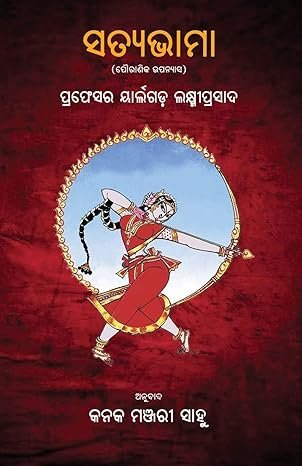
Satyabhama
₹240.00‘ସତ୍ୟଭାମା’ ହେଉଛନ୍ତି ଶ୍ରୀକୃଷ୍ଣଙ୍କର ଅଷ୍ଟମ ପାଟରାଣୀ । ପୁରାଣ ବର୍ଣ୍ଣିତ ସତ୍ୟଭାମାଙ୍କ ଜୀବନୀକୁ ନେଇ ଉପନ୍ୟାସଟିକୁ ପ୍ରସ୍ତୁତ କରିଛନ୍ତି ପ୍ରଫେସର ଲକ୍ଷ୍ମୀ ପ୍ରସାଦ । ସତ୍ୟଭାମା ଥିଲେ ଜଣେ ବୀରା ନାରୀ । ତାଙ୍କର ପରାକ୍ରମ ଏବଂ ଶ୍ରୀକୃଷ୍ଣଙ୍କ ସହିତ ପ୍ରେମ, ପ୍ରଣୟ ଏହି ଉପନ୍ୟାସର ବିଷୟବସ୍ତୁ ।
-

Sharasajya
₹200.00ହୃଦୟରୁ ଝରୁଥିବା ରକ୍ତରେ ଲେଖାଯାଇଛି ଶରଶଯ୍ୟା, ଜୀବନ ଯନ୍ତ୍ରଣାର ଭୟଙ୍କର ଅନୁଭବ । ପଢ଼ିଲା ବେଳେ ଆଖିରୁ ଝରିଆସୁଥିବା ଲୁହକୁ ଅଟକାଇ ପାରିଲିନି । ଆଉ ଏ ବହିର ‘ମାଷ୍ଟର ପିସ୍]’ ତ୍ରୟୋଦଶ ଅଧ୍ୟାୟ ‘ଭଗବାନଙ୍କୁ ଗୋଟେ ଖୋଲାଚିଠି’ ମୋ ଅନ୍ତରକୁ ଦୋହଲାଇ ଦେଇଥିଲା । କଷ୍ଟ ଯନ୍ତ୍ରଣା ସମୁଦ୍ରରେ ବୁଡ଼ି ବୁଡ଼ି ଜଣେ ଏତେ ସକାରାତ୍ମକ ଭାବରେ ଭଗବାନଙ୍କୁ ନିଜର କରିବାରେ କାର୍ପଣ୍ୟ କରିନାହାଁନ୍ତି । “ଆପଣ ଏହି ଲୁଚକାଳି ଖେଳ ଛାଡନ୍ତୁ ଏବଂ ମୋ ସାମନାକୁ ଆସନ୍ତୁ । ମୁଁ ମୋ ବାଳ ଧୋଇଦେବି ଏବଂ ସେଗୁଡ଼ିକୁ ଏକାଠି କରି ବାନ୍ଧି ଦେବି । ମୁଁ ମୋର ଅତିପ୍ରିୟ ମୟୁରକଣ୍ଠୀ ନୀଳ ଶାଢ଼ୀରେ ସଜେଇ ହେବି । ଆପଣ ମୋର ଟର୍କିସ୍ କାନଫୁଲ ଏବଂ କଙ୍କଣ ଦେଖି ମୋତେ ଚହ୍ନିପାରିବେ । ମୁଁ ମୋ ବାରଣ୍ଡାରେ ଆପଣଙ୍କ ସହିତ ବସିବି କାଡ଼ାମନ ବାସ୍ନାର କଫି ସହିତ । ମୁଁ କିଛି ବି ପ୍ରଶ୍ନ ପଚାରିବି ନାହିଁ । ଆମେ ଉଭୟେ ଉଭୟଙ୍କର ସୌହାର୍ଦ୍ଦ୍ୟ ଅନୁଭବ କରିବା ମୋ ବାରଣ୍ଡାରେ ଲାଗିଥିବା ଦୋଳି ଉପରେ ବସି । ମୁଁ ଆପଣଙ୍କ କାନ୍ଧ ଉପରେ ମୁଣ୍ଡ ରଖିବି । ମୁଁ ଚାହେଁ ଆପଣ ଆପଣଙ୍କ ରୁମାଲରେ ମୋ ଲୁହ ପୋଛି ଦିଅନ୍ତୁ । ମୁଁ ବହୁତ ଥକି ଯାଇଛି କିନ୍ତୁ ହାରି ଯାଇନି ।”
ପୁସ୍ତକଟିରେ ଅନେକ ସ୍ଥାନରେ ପୁନଃ କଥନ ଓ ଅତିକଥନ ବେଳେବେଳେ ଅପ୍ରୀତିକର ଲାଗିପାରେ କିନ୍ତୁ ଯନ୍ତ୍ରଣାର ଅନୁଭବ, ଆକସିଡେଣ୍ଟାଲ, ଡାକ୍ତରଖାନାର ୧୧ ମାସର କଷ୍ଟ, ୧୬ରୁ ଅଧିକ ଅପରେସନ ବିରଳ ବ୍ୟାକ୍ଟୋରିଆ ଇନ୍]ଫେକ୍ସନ, ଆତ୍ମୀୟ, ପୁଅ, ଝିଅ, ସ୍ୱାମୀ, ସାଙ୍ଗସାଥୀ ମାନଙ୍କର ଭୂମିକା ଡାକ୍ତର ଓ ଥେରାପିଷ୍ଟ ମାନଙ୍କର ସାହାଯ୍ୟ ୧୪ଟି ଅଧ୍ୟାୟରେ ଲିପିବଦ୍ଧ ହୋଇଛି । ଶେଷ ଅଧ୍ୟାୟ ଜୀବନକୁ ଏସବୁ ପରେ ବି ସେ ଅତିମାତ୍ରାରେ ଭଲ ପାଆନ୍ତି ।
ସର୍ବଶେଷ ଉପଲବ୍]ଧି ହେଲା, “ତୁମେ ଯେତେବେଳେ ହସୁଛ, ପୃଥିବୀ ତୁମ ସହିତ ହସେ, କିନ୍ତୁ ତୁମେ ଯେତେବେଳେ କାନ୍ଦୁଛ, ତୁମକୁ ଏକାହିଁ ସବୁ ଯନ୍ତ୍ରଣା ପିଇ କାନ୍ଦିବାକୁ ପଡ଼େ ।”
-
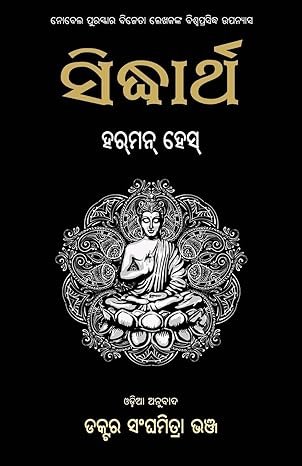
Siddhartha
₹230.00ନିର୍ବାଣ ପାଇଁ ଜିଜ୍ଞାସା ରଖିଥିବା ସିଦ୍ଧାର୍ଥ ଭିନ୍ନ ଭିନ୍ନ ଅନୁଭବ ଲାଭ କରି ପରିଶେଷରେ ନିର୍ବାଣ ଲାଭ କରିଥିଲେ । ପ୍ରତ୍ୟେକ ମଣିଷ ଯିଏ କିଛି ପ୍ରାପ୍ତିର ଆକାଂକ୍ଷା ରଖନ୍ତି, ତାଙ୍କୁ ସିଦ୍ଧାର୍ଥ ଭଳି ସାହସୀ ହେବାକୁ ହେବ । କେବଳ ନିଜ ଅନୁଭବ ଦ୍ୱାରା ହିଁ ମୋକ୍ଷପ୍ରାପ୍ତି ଅବା ନିର୍ବାଣ ସମ୍ଭବ । କାରଣ ଜ୍ଞାନକୁ ନା ଶିକ୍ଷା ଦିଆଯାଇପାରେ ନା ଅନ୍ୟର ଅନୁଭବରୁ ତାହା ଆମକୁ ମିଳେ । ନିଜସ୍ୱ ଅନୁଭବ ଦ୍ୱାରା ହିଁ ଜ୍ଞାନଲାଭ ସମ୍ଭବ । ମାନବ ନଦୀ ଭଳି ନିଜ ଭାବନାକୁ ପ୍ରତିରୋଧ ନ କରି ବହିଯିବାକୁ ଛାଡ଼ିଦେବା ଉଚିତ । ନଦୀର ମାର୍ଗରେ ଯଦି ବିଶାଳ ପଥରଖଣ୍ଡ ଆସି ଅନ୍ତରାୟ ସୃଷ୍ଟି କରେ ତେବେ ନଦୀର ସ୍ରୋତ ତା’ର ଚତୁଃପାଶ୍ୱର୍କୁ ଆପ୍ଳୁତ କରି ଆଗକୁ ବହିଚାଲେ । ‘ସିଦ୍ଧାର୍ଥ’ ଉପନ୍ୟାସରେ ‘ଜ୍ଞାନ’ ଏବଂ ‘ଶିକ୍ଷା’ ମଧ୍ୟରେ ଥିବା ପାର୍ଥକ୍ୟ ସୁସ୍ପଷ୍ଟ । ଶିକ୍ଷା ସମସ୍ତଙ୍କୁ ଦିଆଯାଇପାରେ; ମାତ୍ର କଠିନ ପରିଶ୍ରମ ଦ୍ୱାରା ଜ୍ଞାନପ୍ରାପ୍ତି ସମ୍ଭବ ଏବଂ ଏହା କେବଳ ମାନବର ଅନୁଭବ ଦ୍ୱାରା ହାସଲ ହୋଇପାରେ । ଜ୍ଞାନରୁ ହିଁ ମୋକ୍ଷ (ନିର୍ବାଣ) ଲାଭ ହୁଏ । ମାନବର ଭାଗ୍ୟ ଓ ତା’ର ଜୀବନର ମାର୍ଗ ତାକୁ ନିଜକୁ ପ୍ରସ୍ତୁତ କରିବାକୁ ପଡ଼େ । ମଣିଷର ମନ ଯେଉଁଠାରେ ନିବିଷ୍ଟ ହୁଏ, ସେହିଠାରେ ହିଁ ଜ୍ଞାନ ତାକୁ ପ୍ରାପ୍ତ ହୁଏ । ‘ମନ ମୂଳେ ଏ ଜଗତ’ – ଏହା ‘ସିଦ୍ଧାର୍ଥ’ ଉପନ୍ୟାସର ଅନ୍ତଃସ୍ୱର ।
-
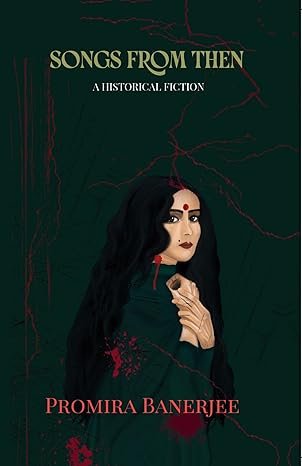
Songs from Then
₹250.00When the Bhasha Andolan engulfs the nation, Meghali’s parents choose their country over her. She survives the onslaught of the war, enduring excruciating brutality, violence, the loss of loved ones, and rape. Eventually escaping to Calcutta, where she finds a new beginning with her benefactor, Saheb, standing at the threshold of education, dignity, and a new lease on life. However, her fate, with its twists and turns, compels her to flee again, this time to London. There, Ava, an elderly woman of Armenian-Turkish descent, takes Meghali in. Despite the kindness she encounters, Meghali lives in constant fear of her past confronting her. Bolstered by the shocking bravery and compassion of others who have endured similar ordeals, such as James Kagiri Njûgu and Hania, and sustained by Ava’s gentle kindness amidst deceit, Meg—as she is known in the land of the Queen—forges a new life for herself. Songs from Then is an elegy, an evocative memorial to the victims of the twentieth century’s genocides. These intertwined stories create an analogy—intricate, opulent, and devastatingly poignant.
-

The Actor
₹350.00Binod is a young theatre artist who works for Dasabhuja Theatrical Company. He is well educated and had an ardent desire to become a lecturer in a college but fate is like a strange, unpopular restaurant filled with odd little waiters who bring you things you never asked for and don’t always like. On his visit to Puri, he looks at Lord Jagannath, Sudarshan Chakra, and the flag on it and envisages staging the play ‘Neela Saila’ for Bali Yatra Play competition based on Surendra Mohanty’s novel ‘NeelaSaila’ on history, myth, and legends. It was difficult to find a playwright who can dramatize the novel. An old playwright Dhira babu gives his consent to write but he falls sick. Finally, Binod takes the responsibility to write the play and to give the direction. He overcomes the hurdles in staging the play ‘NeelaSaila’ and it wins the first prize in the competition. The agony of a theatre artist and a playwright is well outlined in the story.
-
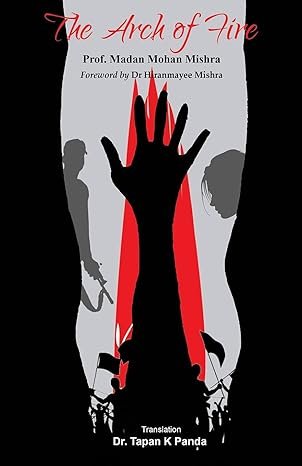
The Arch of Fire
₹250.00‘The Arch of Fire’ is based on the Naxalite’ tactic against the Indian State. Seizing land from oppressors and redistributing it amongst the peasants has been the aim of the Naxalites since its creation. In 1967, oppressed peasants inspired by the communist movement raised their bows and arrows against the feudal landowners in Naxalbari. Naxalites, raised their upgraded, more sophisticated weapons against mining corporations and development projects which threatened to expel indigenous tribes or Adivasis from their ancestral lands in order to exploit the mineral-rich soil. The Naxalite movement as we know it today, its emergence is a result of the various fragmentations of communist ideologies in India over time. Hence, in order to comprehend the nature of Naxalism, one must first delve into its own tumultuous history. This novel received Odisha Sahitya Academy award in 1989.
-
The Criminal At Large
₹250.00THE CRIMINAL AT LARGE is a nontraditional story of feminism that attempts a definition of woman through a series of thrilling episodes narrated in an arresting style and language that keep the reader spell bound. Chhaya, the female protagonist in the process of becoming a woman experiences the impact of different male touches including that of brutal bestiality. She never gives in to anything; she challenges the legal system, asserts a prestigious social position commanding love and respect; yet the question about what she is remains unanswered.
-

The Exiled
₹450.00Ramshankar Ray’s Bibasini (1891), believed to be the second full length novel in Odia, the first being Umesh Chandra Sarkar’s Padmamali (1888), is a novel with an intricately woven plot structure written in style that is at once descriptive, informative, and lyrical. Viewed mostly as a work of fiction delicately poised between a historical romance and a socio-political narrative, Bibasini relates to the period of Maratha hegemony over Odisha spanning from 1751 till the British occupation of the province in 1803. It holds out a panoramic view of Odisha reeling under the tyranny of the Maratha ruler Shambhuji Ganesh Rao during 1769 to 1771, and of the native resistance offered in terms of sporadic but organised assaults launched on the oppressors and collaborators by the Bhuyan dacoits acting at the instances and with the support of the king of Kujanga, Paradip.
The plot that seemingly centres round a tragic love story is actually a complex one, knitting many strands of random episodes into an attractive and coherent tale of unmerited suffering, of crime and vengeance, of sin and retribution. The novel is thronged with characters from different socio-cultural backgrounds, portraying multiple contours of Odisha, the social, cultural, economic and religious ones being the most pronounced amongst them. The novel chronicles the agrarian crisis in Odisha during the Maratha rule and the debacle of the famine that threatened to bring the peasantry of Odisha down to a state of collapse. It narrates the hardship and the misery of the common man especially those who earned their living through farming, had to pass through under the repressive measures of a tyrannous governance and the selfishness and all-devouring avarice of the moneyed local landowners or zamindars.
It is also a gripping tale of a band of burglars, motivated by a romanticised ideal of plundering the rich to sustain the poor, assuming the role of the vindicators of socio-economic equality. They declare themselves as the god’s chosen moral agents for delivering violent justice to the wrongdoers. At the same time the novel camouflages a satire on the hollow morals of a socio-cultural system that compels a Hindu widow to practice religious austerity and denies her the right of living the life of a normal woman.
The novel also details the spread of a new religious cult, Vaishnavism, in Odisha that advocated the worship of Lord Hari( Vishnu) and pleaded against a discriminatory caste system that deprived the people of the lesser caste and poor economic status of their legitimate rights. The preachings of the Vaishnava monks Hanuman Dasa and Giridhari Dasa, appears to reflect a semblance of the mystique.
-
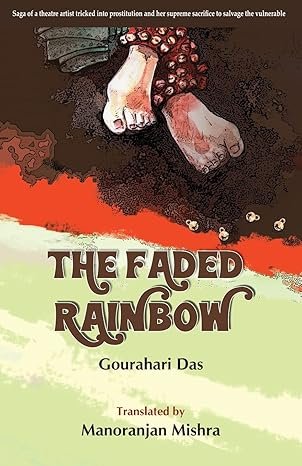
The Faded Rainbow
₹250.00The Faded Rainbow is the English translation of Gourahari Das’s novel Chhayasoudhara Abasesha. The Odia novel, published in 1996, was the writer’s maiden attempt at the genre. The Faded Rainbow offers multiple interpretations to the readers. It is no doubt a study in feminism. It can also be interpreted as a quest for self by its female protagonist, Minu. Her attempts to lend meaning to her otherwise frustrated, meaningless and gloomy existence can be another way of looking at it.
-

The Infidel
₹150.00Asati (original novella in Odia) was written in 1962 and published in 1966. The author was a fresh college graduate and only 21 years old when he wrote this novella; yet the same is being treated as one of the classic writings of modern Odia literature. The sensitivity of the author towards inequity and injustice is well echoed in the voices of the protagonist. The protagonist hopes for a better and just society where everyone has equal rights over life. The conflict between haves and have’nots is well reflected in the novel. The plot revolves around the conflict between an idealistic hero, his lady love and a set of wicked, selfish and rich characters. The issues and conflicts in the novella are so relevant that the story makes us hope for a better change even today. This book, in its true sense is immortal and talks about common man for more than six decades and will continue to do so. The new generation readers need to know the life, mind-set and conflict youth of the 1960s went through and their impact over what Odia society is today.
-
-
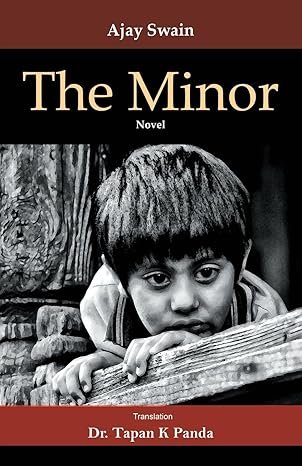
The Minor
₹300.00The Minor (Nabalak) is the story of the metamorphosis of the protagonist. The memories of who he was and where he lived are important to him. When he was a child, he seldom thought of the future. This innocence left him free to enjoy as few adults can. The day he frets about the future is when he leaves his childhood behind. The truth of life is that we get farther away from the essence that is born within us. We get shouldered with burdens, things happen to us, loved ones die, and people lose their way for a reason or another. It’s not hard to do in this world of crazy mazes. Life does its best to take that memory of magic away from us. You don’t know it’s happening until one day we feel we have lost something, but you are not sure what it is. Childhood, after all, is the first precious coin.