-
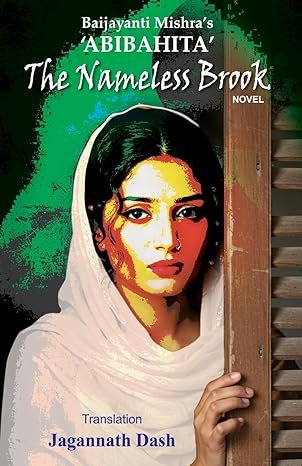
The Nameless Brook
₹400.00The Nameless Brook (Odia-Abibahita) is a moving tale of Jhara, a dedicated nurse whose life is shaped by love, loss, and quiet strength. Orphaned and emotionally isolated, she faces heartbreak, betrayal, and the weight of societal judgment. When she meets Suren-a gentle soul trapped in a loveless marriage-Jhara forms an unexpected bond with him and his daughter, Rista. But tragedy strikes, leaving Suren paralyzed and Rista vulnerable. Defying convention and family pressure, Jhara steps in as their caregiver and emotional anchor. Through trials of love, duty, and identity, the novel unfolds as a story of resilience and selfless devotion, where Jhara discovers that true family is built on compassion, not convention.
-
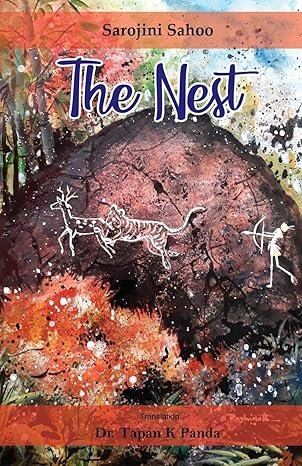
The Nest
₹300.00Pakhibsa is a story of the decadence of a family and their dream. This multi-dimensional novel includes a downtrodden family saga and the socio-economic picture of Odisha. The novel portrays a chain of events of an untouchable, downtrodden cattle bone collector, called Satnemis (through the protagonist Antaraa) and his family in western Orissa. Antaraa, the head of the family; his wife Sarasi; their three sons Sanyaasi, Daaktar, and Okil; and their daughter Parabaa.
A downtrodden man dreams of seeing his sons established in their lives. So, he names them Collector, Doctor (Daaktar), and Lawyer (Okil). He dreams of seeing his only daughter, Parabaa, as a bride, but was it ever possible?
The elder son, Sanyaasi, became a bohemian artist. The second son Daaktar became a bonded labourer. The third son Okil joins the Naxals. Days of hunger force Parabaa to be raped for a plate of rice by a forest guard, and later, she adopts the profession of prostitution. The novel ends with the death of Okil. The author juxtaposes lines from Bhagavat (a holy book in every Odia family) to build melancholy and generate intense emotional outages for the characters.
-
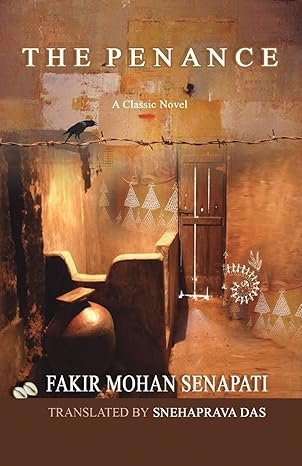
The Penance
₹380.00Prayaschita (The Penance) is the last of Fakir Mohan Senapati’s four novels and the third and the last in his ‘trilogy of crime and justice’, to use the epithet coined by the eminent Senapati scholar John Boulton. The first two novels of the trilogy are Chhamana Athaguntha (1902, Six Acres and a Third) and Mamu (1913, The Maternal Uncle). Prayaschita was published in 1915, just three years before the death of the novelist. The novel is of value for the light it casts on Fakir Mohan Senapati’s increasingly dark and tragic vision of life lived under the shadow of colonialism. He wrote it to defend the traditional values of the Hindu way of life which he saw as being gravely threatened by the alien value system of the British that had made huge inroads into the Indian society. In fact, it is a telling assault on the English education that is perforce mounted in the form of a defense of the traditional Indian society.
-
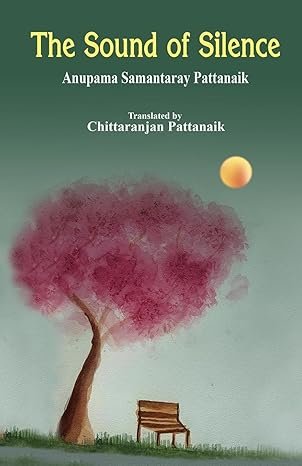
The Sound of Silence
₹350.00This collection of short stories is assiduously crafted by Ms Anupama Pattanaik on woman psychology and virtuosity, originally written in Odiya and appeared in various issues of Odiya journals. The perfect art of translation into English version by Shri Chitta Ranjan Pattanaik is manifest throughout, so much that the stories appear as if written in original English. Anupama Pattanaik has already proved herself as an accomplished story writer, highly acclaimed in the literary circle. This translated version of her short stories is an added feather in her cap. The stories verily fit into the design and shape as stated by Somerset Maugham in his book ‘On literature’ -“It is a piece of fiction, dealing with single incident, material or spiritual, that can be read at a sitting; it is original, it must sparkle, excite or impress, and it must have unity of effect or impression. It should move in an even line from its exposition to its close.”One of the fundamental principles of story composition is that of unity, says Hudson in his book- An introduction to the study of literature. He further states “…under which head we include unity of motive, of purpose, of action and in addition, unity of impression”. Anupama Pattanaik’s stories adequately fit into this principle and hence engrossing. Most of the stories revolve around women-centric plots eulogizing women’s emancipation. The story ‘Miser’ unfolds Indrani Devi’s all-encompassing tacit love for the villagers. In “Repayment”, the perfect depiction of an older lady’s compassion and noble mode of repayment of debt by the beneficiary-the aspiring girl, is a touching tale. The issue of superstition and blind belief is deftly handled in ‘Mangamma’ to the reader’s delight. The resilience of a devoted wife is suitably characterized in ‘The Shadow’ and the common trait of a devoted wife delineated magnificently.
-

Ujuda Aadhara
₹275.00Things Fall Apart ସବୁଠୁ ଲୋକପ୍ରିୟ ହେବା ସହ ଆର୍ନ୍ତଜାତିକ ପାଠକୀୟ ସ୍ୱୀକୃତି ଲାଭ କରିଛି । ଏହି ପୁସ୍ତକଟି ଷାଠିଏରୁ ଊର୍ଦ୍ଧ୍ୱ ଭାଷାରେ ଅନୂଦିତ ହୋଇସାରିଛି । ଏଥିରେ ଏକ ଅନନ୍ୟ କାହାଣୀ ଓ ବର୍ଣ୍ଣନା ଶୈଳୀ ମାଧ୍ୟମରେ ସେ ୟୁରୋପୀୟ ଉପନିବେଶବାଦକୁ ଆଫ୍ରିକୀୟ ଦୃଷ୍ଟିଭଙ୍ଗୀରେ ଉପସ୍ଥାପନା କରିଛନ୍ତି । ଆଫ୍ରିକାର ନାଇଜେରିଆରେ ଇଂରେଜ ଉପନିବେଶବାଦର ସ୍ଥାପନ ହେଲା ପରେ ଇଂରାଜୀ ଶିକ୍ଷା, ସଭ୍ୟତା ଏବଂ ଖ୍ରାଷ୍ଟଧର୍ମର ପ୍ରଚାର ଓ ପ୍ରସାର ହେଲା । ଏଇ ଧକ୍]କାରେ ନାଇଜେରିଆର ପାରମ୍ପରିକ ସମାଜ ଓ ସଂସ୍କୃତି ଭୁଷୁଡି ପଡ଼ିଲା । ଫଳରେ ନାଇଜେରିଆରେ ଏଯାବତ୍ ଚଳି ଆସୁଥିବା ପୁରୁଣା ଭାବଧାରା ଓ ମୂଲ୍ୟବୋଧର କ୍ରମଶଃ ବିଘଟନ ହେବାକୁ ଲାଗିଲା । ସାଂସ୍କୃତିକ ଆଧାର ଉଜୁଡ଼ି ଗଲା । ଇଂରେଜ ଶାସନ ଓ ଖ୍ରାଷ୍ଟ ଧର୍ମର ଚାପରେ ସାଧାରଣ ଦେଶୀୟ ଜନଜୀବନ ନିଜସ୍ୱ ସଂଗଠନ ହରାଇଲା । ଏମିତି ଏକ ବିକଳ ଓ ବିକଟ ପରିସ୍ଥିତିର ସାମ୍ନା କରୁକରୁ ଉପନ୍ୟାସର ନାୟକ ଓକୋଙ୍କୋ ଶେଷରେ ଆତ୍ମହତ୍ୟା କଲା । କାରଣ ତା ପାଇଁ ସାମାଜିକ ଓ ସାଂସ୍କୃତିକ ରହିତ ଜୀବନ – ଆଉ ଜୀବନ ହେଇ ରହିଲା ନାହିଁ । ଏପରି ଏକ ମର୍ମସ୍ପର୍ଶୀ ସଂଘର୍ଷକୁ ନେଇ Things Fall Apart ର କାହାଣୀ ଉପଜିବ୍ୟ ।
‘ଉଜୁଡ଼ା ଆଧାର’ ଏଇ ସମ୍ବେଦନଶୀଳ ଉପନ୍ୟାସର ଓଡ଼ିଆ ରୂପାନ୍ତର । ଭାରତୀୟ / ଓଡ଼ିଆ ଭାବେ ଆମେ ମଧ୍ୟ ଉପରୋକ୍ତ ପରିସ୍ଥିତିର ସାମ୍ନା କରିଆସୁଛୁ । ଏଇ ପରିପ୍ରେକ୍ଷୀରେ ଏଇ ଅନୁବାଦଟି ଓଡ଼ିଆ ପାଠକଙ୍କୁ ଆମର ଭାଙ୍ଗି ଯାଉଥିବା ଆଧାର ସମ୍ପର୍କରେ ସଚେତନ କରିବ ବୋଲି ବିଶ୍ୱାସ ।
-
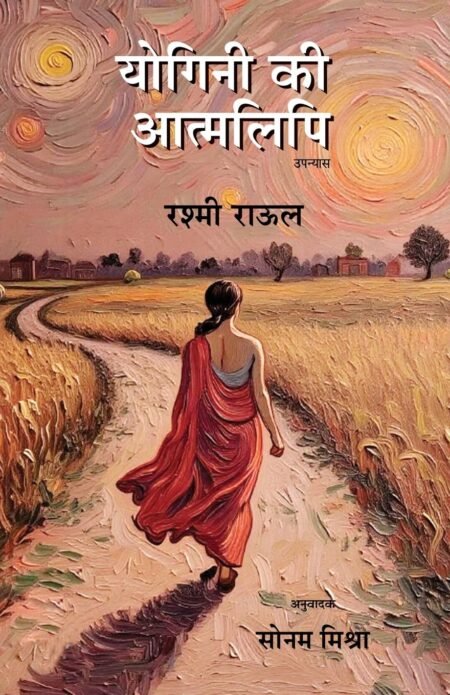
Yogini Ki Atmalipi
₹200.00सैकड़ो मील दूर से आती एक चमत्कारिक आवाज । सुकन्या की छाती फटी जा रही थी,वह मरी जा रही थी, उसका अस्तित्व समाप्त हुआ जाता था,प्रेम में,किसी को प्यार करने में । हर बार लगता था इससे पहले कभी ऐसा नहीं हुआ । जीवन धन्य हो जाता था, उसका मनुष्य रूप में धरा पर जन्म लेना । कोई भी दिखाई नहीं देता था इस धरा पृष्ठ पर एक नारी और एक पुरुष को छोड़कर बाकी पूरी पृथ्वी बही जा रही थी । उसके माता-पिता थे, उसने एक दिन इस पृथ्वी पर जन्म लिया था, बड़ी होकर यौवन की दहलीज पर कदम रखा था । कुछ भी याद नहीं, उसके पति,संतान,स्वजन कोई भी नहीं । किसी की भी आवाज सुनाई नहीं देती थी। चारों ओर कोई भी नहीं केवल एक नारी और एक पुरुष के अलावा । सुकन्या और जीवन । वह योगिनी डोमी और जीवन उसका कालिदास, कान्हूपा, कन्हाई ।
‘योगिनी की आत्मलिपि’ एक रहस्य है । सब कुछ ठीक-ठाक चल रहा था । गाया गया संगीत भी बेसुरा हो सकता है। उज्वल आकाश मलिन दिखाई देता है। रास्ता नहीं मिलता । समस्त प्राप्ति और अप्राप्ति के बीच लीन हो जाती थी । सु – सुकन्या -सुकन्या कहां है ? सुकऱ्या कहाँ है।
लेखिका रश्मी राउल आज भी सुकन्या की खोज में है ।