-
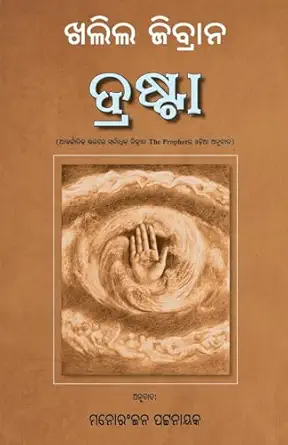
Drasta (Kahlil Gibran)
₹200.00ପ୍ରାଚ୍ୟର ଓ ମଧ୍ୟପ୍ରାଚ୍ୟର ଦର୍ଶନର ଅପୂର୍ବ ସମନ୍ୱୟରେ ଏହି ଗ୍ରନ୍ଥଟି ସମୃଦ୍ଧ । ଏହା ଏକ ଅଭିରୁଚି ସମ୍ପନ୍ନ ଗ୍ରନ୍ଥର ମାନ୍ୟତାପ୍ରାପ୍ତ । ଶ୍ରୀମଦ୍ ଭଗବଦ୍ ଗୀତା ଓ ଉପନିଷଦୀୟ ଚିନ୍ତାଧାରାର ଅପୂର୍ବ ସମନ୍ୱୟରେ ଏହା ପରିପୁଷ୍ଟ ।
ଜିବ୍ରାନଙ୍କର “ଦ୍ରଷ୍ଟା” ସହିତ ରବୀନ୍ଦ୍ରନାଥ ଟାଗୋରଙ୍କର “ଗୀତାଂଜଳି”ର ତୁଳନା କରିଛନ୍ତି ନୋବେଲ ବିଜୟୀ ଫରାସୀ ସାହିତ୍ୟିକ ଆଁନ୍ଦ୍ରେଜିଦ୍ । ସିଏ କହିଛନ୍ତି ‘ଗୀତାଂଜଳି’ର ପ୍ରାଚ୍ୟ ଏତେ ମଧୁର ସ୍ୱରରେ ଆଉ କେବେ କଥା କହିନି । ଗୀତାଂଜଳି (୧୯୧୩) ଓ ଦ୍ରଷ୍ଟା (୧୯୨୩), ଏହି ଦୁଇଟି କାବ୍ୟଗ୍ରନ୍ଥ ପ୍ରକାଶିତ ହୋଇଛି ଏକ ଯୁଗର ବ୍ୟବଧାନରେ । ଏହି ସମୟର ମଝିରେ ଜଗତ୍]ବିଖ୍ୟାତ ଦୁଇଜଣଯାକ କବିଙ୍କର ଦେଖା ହୋଇଛି ଏକାଧିକବାର । ସେମାନଙ୍କର ସାକ୍ଷାତକାର ସମ୍ପର୍କରେ ଜିବ୍ରାନ କହନ୍ତି, “ରବୀନ୍ଦ୍ରନାଥ ଟାଗୋରଙ୍କ ସହିତ ମୋର ଦେଖା ହୋଇଛି । ସିଏ ମୋତେ ତାଙ୍କର କେତୋଟି କବିତା ପଢ଼ିକରି ଶୁଣାଇଛନ୍ତି ।”୍]
ଜିବ୍ରାନଙ୍କର ଜୀବନୀକାରଙ୍କ ଲେଖାରୁ ଜଣାଯାଏ, ପ୍ରାଚ୍ୟ ଓ ପାଶ୍ଚାତ୍ୟ ଦର୍ଶନ ନେଇ ସେମାନଙ୍କ ମଧ୍ୟରେ ଦୀର୍ଘ ଆଲୋଚନା ଓ ମତ ବିନିମୟ ହୋଇଛି ।
ଜିବ୍ରାନଙ୍କର ଏହି ପ୍ରସିଦ୍ଧ ପୁସ୍ତକଟିର ବିଷୟବସ୍ତୁ ଯାହା ପ୍ରଶ୍ନ-ଉତ୍ତର ଛଳରେ ୨୬ଟି ଗଦ୍ୟ-କବିତା (କାବ୍ୟିକ-ପ୍ରବନ୍ଧ) ମଧ୍ୟ ଦେଇ ଗଢ଼ି ଉଠିଛି । ତାହା ପ୍ରକାଶ ପାଇବା ଏବେ ଶହେ ବର୍ଷ ପୂର୍ଣ୍ଣ ହେଲା । ରେକର୍ଡ଼ ଅନୁସାରେ ୧୯୨୩ ମସିହାରେ ଯୁକ୍ତରାଷ୍ଟ୍ର ଆମେରିକାରେ ପ୍ରଥମ ପ୍ରକାଶନ ପରେ ୨୦୧୨ ମସିହା ପର୍ଯ୍ୟନ୍ତ (୮୯ ବର୍ଷରେ) ଇଂରେଜୀ ବହିର ୯୦ ଲକ୍ଷ କପି ବିକ୍ରୀ ହୋଇଛି । ଏହି ବହିଟିର ଅନୁବାଦ ୧୦୮ ଭାଷାରେ କରାଯାଇଛି । ୯୫ ବର୍ଷର ଇତିହାସରେ ୨୦୧୮ ମସିହା ପର୍ଯ୍ୟନ୍ତ ଇଂରେଜୀ ବହିର ୧୮୮ଟି ମୁଦ୍ରଣ ହୋଇ ସାରିଛି ।
-
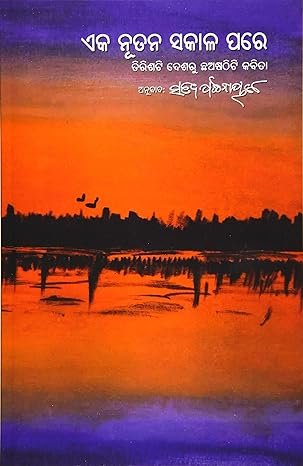
Eka Nutan Sakal Pare
₹200.00Eka Nutan Sakal Pare is an anthology of sixty six poems in Odia translation from thirty countries. The poets include Walt Whitman, Anna Akhmatova, Tomas Transtromer, Pablo Neruda, Sylvia Plath, Rumi, Sappho, Ryokan, Ezra Pound, Robert Frost, Nicanor Parra and many younger poets. The purpose of this anthology is to introduce the work of these poets to Odia readers. A short biography of the poets is included at the end of the book.
-

Ezra Pound Kabita
₹200.00Ezra Pound Kabita is a selected poetry collection of the eminent American poet Ezra Pound in Odia translation. Originally published in 1958 by a passionate publisher Prafulla Chandra Das, the poems are translated by eminent Odia author and translator Gyanindra Varma. The book was awarded Odisha Sahitya Akademi award for translation in 1958. Preface of this book is written by eminent American turned British poet T.S.Eliot. There is also a note from Ezra Pound addressed to the publisher. Translator’s note is an excellent piece of essay readers must read. A great work for Odia poetry lovers.
-
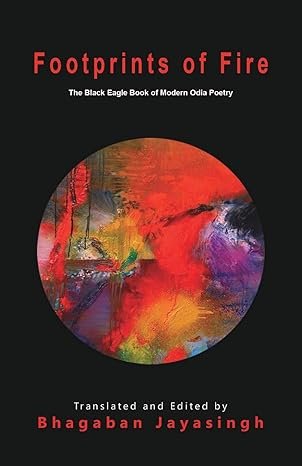
Footprints of Fire
₹300.00Footprints of Fire is the most authoritative book of translation of contemporary poetry from the state of Odisha which is known for its rich and spectacular contributions in the fields of art, literature and culture of India. Dr Jayasingh, one of the most distinguished Indian poets and translators, has tried to showcase this as the key literary document of the contemporary Odia poetry 1950 – 2015. Dr Jayasingh has selected only 74 poets from many poets writing over the period to show how they with extraordinary thematic variations, innovative technical excellences, their authentic artistic skill and power have displayed immense potential to be placed among the outstanding poets of the country.
-
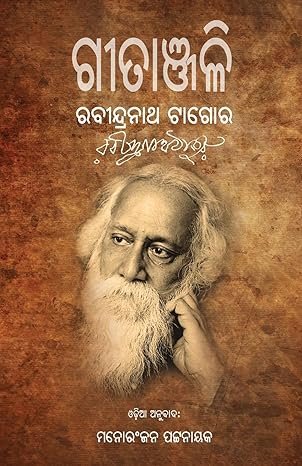
Gitanjali (Rabindranath Tagore)
₹260.00୧୯୦୨ରୁ ୧୯୦୭ ମସିହା ଭିତରେ ତାଙ୍କର ପତ୍ନୀ, ୧୪ ବର୍ଷୀୟା କନ୍ୟା, ପିତା ଏବଂ ୧୧ ବର୍ଷୀୟା ପୁତ୍ରର ମୃତ୍ୟୁ ଫଳରେ ଉତ୍ପନ୍ନ ଦୁଃଖ ତାଙ୍କର ପରବର୍ତ୍ତୀ କବିତାଗୁଡ଼ିକରେ ପରିଲିକ୍ଷିତ ହୁଏ। ୧୯୧୦ ମସିହାରେ ତାଙ୍କର ବଙ୍ଗଳାରେ ଲେଖା “ଗୀତାଂଜଳି” ପ୍ରକାଶ ପାଏ। ୧୯୧୨ ମସିହାରୁ ଏହି “ଗୀତାଂଜଳି”ରୁ ୫୩ଟି କବିତାକୁ ଇଂରେଜୀରେ ଅନୁବାଦ କରି ଇଂରେଜୀ “ଗୀତାଂଜଳି” (Gitanjali)ରେ ସନ୍ନିବିଷ୍ଟ କରିଛନ୍ତି ଆଉ ତାଙ୍କର ଅନ୍ୟାନ୍ୟ ୯ଟି ପୁସ୍ତକରୁ ୫୦ଟି କବିତାର ଇଂରେଜୀ ଅନୁବାଦକୁ ମିଶାଇ ସର୍ବମୋଟ ୧୦୩ଟି କବିତା ସେଥିରେ ରହିଛି, ଯାହା ପ୍ରକାଶ ପାଇଥିଲା ୧୯୧୨ ମସିହାରେ। ଡବ୍ଲ୍ୟୁ. ବି. ୟିଟ୍ସ ଏବଂ ଆନ୍ଦ୍ରେ ଗିଡେ ତାହାର ପ୍ରଶଂସା କରିଛନ୍ତି, ଆଉ ୧୯୧୩ ମସିହାରେ ସେହି ପୁସ୍ତକଟି ପାଇଁ ତାଙ୍କୁ ନୋବେଲ୍ ପୁରସ୍କାର ପ୍ରଦାନ କରାଯାଇଛି। ସାହିତ୍ୟରେ ନୋବେଲ ପୁରସ୍କାର ପାଇବାର ଏସିୟା ମହାଦେଶରେ ସିଏ ଥିଲେ ପ୍ରଥମ ବ୍ୟକ୍ତି।
-
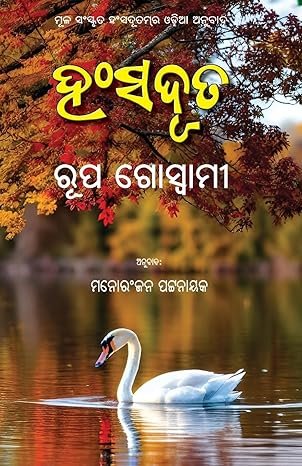
Hamsaduta (Rupa Goswami)
₹200.00‘ହଂସଦୂତ’ ସଂସ୍କୃତ ସାହିତ୍ୟର ଗୋଟିଏ ପ୍ରତିଷ୍ଠିତ ଦୂତକାବ୍ୟ । ମହାକବି କାଳିଦାସଙ୍କର ‘ମେଘଦୂତ’ର ଅନୁସରଣରେ ଦୂତକାବ୍ୟ ସୃଷ୍ଟି ହେବାର ପରମ୍ପରା ଆରମ୍ଭ ହୋଇଥିଲା । ବୈଷ୍ଣବ ଯୁଗର ସମସ୍ତ କାବ୍ୟ ଗଢ଼ିଉଠିଛି ରାଧାକୃଷ୍ଣଙ୍କ ପ୍ରେମର ଅଫୁରନ୍ତ ଲୀଳା ରହସ୍ୟକୁ ଅବଲମ୍ବନ କରି; ତାହା ବୋଲି ବୈଷ୍ଣବ ପ୍ରେମକାବ୍ୟ ଖାଲି ବୈକୁଣ୍ଠର ସଂପଦ ନୁହେଁ । ପାର୍ôଥବ ଜୀବନର ଦୈନନ୍ଦିନ ଗତିପଥରେ ନରନାରୀଙ୍କର ହୃଦୟରେ ଯେଉଁ ଚିରନ୍ତନ ପ୍ରେମର ଘାତପ୍ରତିଘାତ ଚାଲିଛି, ତା’ର ଅନ୍ତରରେ ନିଗୂଢ଼ ସତ୍ୟ ରୂପାୟିତ ହୋଇଛି ଦେବତାଙ୍କ ଉଦ୍ଦେଶ୍ୟରେ ଗୁନ୍ଥା ସେହି ପ୍ରେମର ପୁଷ୍ପ-ମାଳାରେ । ଦେବତାଙ୍କ ଉଦ୍ଦେଶ୍ୟରେ ରଚିତ ପ୍ରେମ-କାବ୍ୟର ସେହି ଖଣିରେ ଲୁଚି ରହିଛି ମଣିଷ ପ୍ରାଣର କଥା ।
ରୂପ ଗୋସ୍ୱାମୀଙ୍କର ‘ହଂସଦୂତ’ ସେହି ପ୍ରେମକାବ୍ୟର ଗୋଟିଏ ଶ୍ରେଷ୍ଠ ନିଦର୍ଶନ । ଉଲ୍ଲିଖିତ ଦୂତକାବ୍ୟଗୁଡ଼ିକ ମଧ୍ୟରେ ‘ହଂସଦୂତ’ ବେଶ୍ ସୁନାମ ଅର୍ଜନ କରିଛି । ‘ହଂସଦୂତ’ର ରଚନାକାର ରୂପଗୋସ୍ୱାମୀ ଚୈତନ୍ୟ ମହାପ୍ରଭୁଙ୍କର ପରମ ଅନୁଯାୟୀ ସନାତନ ଗୋସ୍ୱାମୀଙ୍କର ଅନୁଜ । ଗୌଡ଼ୀୟ ବୈଷ୍ଣବ ସଂପ୍ରଦାୟର ଷଡ଼ ଗୋସ୍ୱାମୀମାନଙ୍କ ମଧ୍ୟରେ ଅଗ୍ରଗଣ୍ୟ ରୂପ ଗୋସ୍ୱାମୀ ।
-
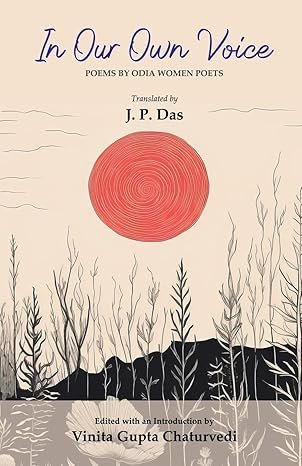
In Our Own Voice: Poems by Odia Women Poets
₹300.00Odisha has enjoyed a symbiotic relationship with poetry and has had a long and unbroken tradition of women writing poetry. Women have made significant contribution to the canon of Odia poetry, starting from the fifteenth century to the present. Among women poets of Odisha, perhaps the earliest is Madhabi Dasi, an exponent of Bhakti poetry and a contemporary of Sri Chaitanya. She wrote in Brajboli, Bangla and Odia. Her janāna “Chakānayan he Jagujiban Srihari” was one of her most popular devotional songs in Odia. Nandabai Chautiśā is another well-known poem composed by a woman from Odisha in pre-colonial times. Several women, mostly from royal families, composed devotional songs and long narrative poems in
the eighteenth and nineteenth centuries. Odisha witnessed a burst of feminine creative energy in the wake of Indian Independence which continued
undiminished through the last quarter of the century and has reached a fruition in the present, when writing poetry has become almost de rigeur, where poetry reading sessions and publication have become a state-wide quotidian activity. In Our Own Voice: Poems by Odia Women Poets is an ambitious
enterprise of the renowned poet, writer and playwright J. P. Das who has painstakingly culled, collected, and translated the creative outpourings of some of these women set far apart in time but geographically rooted in the state. Some of these poems were edited and translated by Das earlier
and appeared in two separate anthologies, titled In Other Words (2017) and Under the Silent Sun (1992). He co-edited the latter with the Chicago-based academician Arlene Zide. The present volume contains poems from these collections as well as many other young and vibrant voices. Originally written in Odia language and meticulously translated into English by Das, these poems belong to women writers spanning nearly half a century, who come from diverse walks of life. Some of them are working professionals who hail from the world of corporate and journalism; some are
fulltime writers while there are contributions from others who seem to steal time to compose verses in the interstices of their domestic chores.
The poems in this volume are rich and eclectic, which range over a variety of subjects, providing a polyphony of voices and a panoply of themes. The writers in this collection straddle different worlds-a little more than five decades separate Banaja Devi and Amiyabala Muni who were born
in pre-independent India circa 1941, from the youngest contributors, Tanmayee Rath and Swapnajita Sankhua, born during the pre-reform and post-liberalisation period of India, in the years 1987 and 1998 respectively. Poems collected from such a broad time spectrum would naturally
bring an array of thematic concerns and preoccupations. A brief overview of the development of Odia poetry by women over the decades since India’s Independence would reveal that, like all women’s poetry elsewhere in the world, there is a sense of thwarted aspiration and patriarchal oppression
in the early set of poets, sometimes coupled with the mildest influence of western modernism, resulting in occasional experimentation.
-
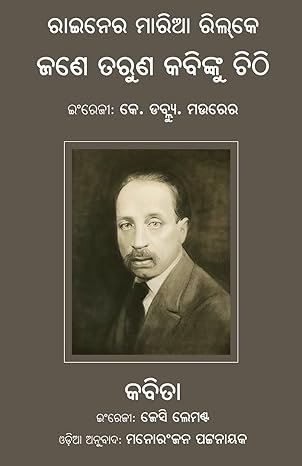
Jane Taruna Kabinku Chithi (Rainer Maria Rilke)
₹320.00“Letters To A Young Poet” by Rainer Maria Rilke is a prosaic work, but it refers directly to poetry. There are ten letters written to a young man about to enter the German military.
In the very beginning of the 1903, Rilke received a letter from a twenty-year old lieutenant of Austro-Hungarian army Franz Kappus. Verses were enclosed to the letter: the lieutenant turned out to be a poet. Rilke answered. Rilke wrote Franz Kappus ten letters; the last of them is dated by December 1908. After Rilke’s death, the letters were published in a separate book entitled “Letters To A Young Poet”. Of all Rilke’s extensive correspondence, these letters won the greatest popularity. It is explained by their content: there is nothing personal or private in them; Rilke wrote about the poetry, nature of poetic works, irony, loneliness, love etc. His philosophy-aesthetic views of that time are well reflected in these letters.
-
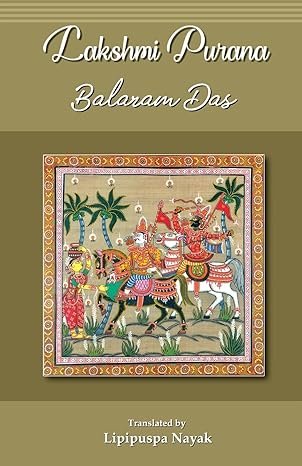
Laxmi Purana
₹200.00Lakshmi Purana, as the title explains, is the story of goddess Lakshmi in simple narrative verses. It is recited in every household of Odisha in the Hindu month of Margashira on all the four Thursdays. In most households, this text is recited throughout the year, every Thursday. As a creative piece of work, the text stands on its own aesthetic as well as sociological strength. The text draws on the myths and folklore of the Jagannath temple of Puri and has no correspondence in the Sanskrit Puranic tradition. Besides its manifestly feminist orientation, the text also carries a brief against human evils such as untouchability and arrogance of the upper class.
Foreword is written by eminent Odia author Hrushikesh Panda.
-
Lokamane Bhuligaleni (Raghuvir Sahay)
₹200.00ଏହି ସଂଗ୍ରହର ରଚନାଗୁଡ଼ିକ ମୋର କାବ୍ୟ-ଜୀବନର ଯେଉଁ ସମୟରେ ଲେଖାଯାଇଛି ତାହା ଏବେ ନିକଟରେ ଆରମ୍ଭ ହେଲା ଆଉ ଏଯାଏଁ ସରିନି; ଦେଖାଯାଉଛି ଯେ ତାହା ଏବେ ବି ଚାଲିବ । ନଈ ମଝିର ସ୍ରୋତକୁ କହନ୍ତୁ ଅଥବା ଭଉଁରି ମଧ୍ୟରୁ କହନ୍ତୁ, ଲେଖାଯାଇଥିବା କବିତା ପ୍ରକାଶ କରିବାର ଏହା ମୋର ପ୍ରଥମ ଅବସର । ଏହା ପୂର୍ବରୁ ‘ଆତ୍ମହତ୍ୟାର ବିରୁଦ୍ଧ’ ଏବଂ ‘ହସ, ହସ ଜଲ୍]ଦି ହସ’ ଦୁଇଟିଯାକ ଗୋଟିଏ-ଗୋଟିଏ ନିଷ୍କ୍ୟତିର ସୂଚକ ଥିଲା । ତା ଆଗରୁ ‘ସିଡ଼ିଗୁଡ଼ିକ ଉପରେ ଖରାରେ’ କବିତାର ଗୋଟିଏରୁ ଅଧିକ ଆଶ୍ରୟସ୍ଥଳୀଯାଏଁ ପର୍ଯ୍ୟବେକ୍ଷଣ କରି ନେଇଥିବା ଉପଲବ୍ଧିଗୁଡ଼ିକର ସଂଚୟନ ଥିଲା । ତା’ଆଗରୁ ବି ‘ଦ୍ୱିତୀୟ ସପ୍ତକ’ରେ ସଂକଳିତ ରଚନାଗୁଡ଼ିକ ଅତ୍ୟନ୍ତ ପ୍ରାଥମିକ ସ୍ତରର କବିତାଗୁଡ଼ିକର ଅଭ୍ୟାସମୂଳକ ସ୍ଥିତିରୁ ବାହାରି ନିଜ ଦୁନିଆରେ ପାଦ ରଖିବା ସମୟର କବିତା ଥିଲା । ନିସଂଶୟ ଯେମିତି ହସ, ହସ ଜଲ୍]ଦି ହସ’ରେ ହୋଇଥିଲା, ପ୍ରତ୍ୟେକ ସଂଗ୍ରହରେ କିଛି ରଚନା କୌଣସି ଗୋଟିଏ ଦିଗରେ ଯିବାର ପ୍ରସ୍ତୁତି କରି ସେହି ରାସ୍ତା ଛାଡ଼ିଦେବାର ନିଦର୍ଶନ ଥିଲା, ତେବେ ଭବିଷ୍ୟତରେ ସେହି ରାସ୍ତାକୁ ମଧ୍ୟ ଧରିବାର ପରିଚୟ ଥିଲା ।
-
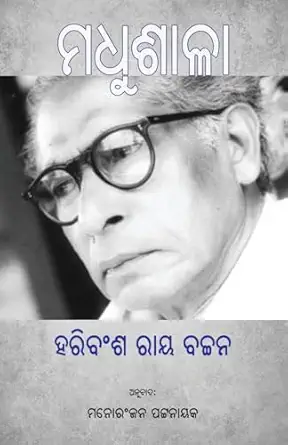
Madhushala
₹140.00ସାଧାରଣ ଓ ସରଳ ଶବ୍ଦକୁ କବିତା-ପାତ୍ରରେ ଢ଼ାଳିକରି ହିନ୍ଦୀ-ସାହିତ୍ୟର ରସକମାନଙ୍କୁ ‘କାବ୍ୟରସ’ ପାନ କରାଇବାରେ ହରିବଂଶରାୟ ବଚ୍ଚନ କୃତକାର୍ଯ୍ୟ ହୋଇଛନ୍ତି । ପ୍ରଖର ଛାୟାବାଦ ଓ ଆଧୁନିକ ପ୍ରଗତିବାଦର ସିଏ ଥିଲେ ଗୋଟିଏ ପ୍ରମୁଖ ସ୍ତମ୍ଭ ।
‘ବଚ୍ଚନ’ଙ୍କର ୧୯୩୫ ମସିହାରେ ପ୍ରକାଶିତ ହୋଇଥିବା ଦୀର୍ଘ କବିତାଗ୍ରନ୍ଥ (ଯେଉଁଥିରେ ୧୩୫ଟି ରୁବାଇୟାତ ରହିଛି) ‘ମଧୁଶାଳା’ ତାଙ୍କୁ ଏକ ଅଲଗା ପ୍ରସିଦ୍ଧି ପ୍ରଦାନ କଲା । ହୃଦୟକୁ ସ୍ପର୍ଶ କଲାପରି କାର୍ଯ୍ୟଶୈଳୀ ବର୍ତ୍ତମାନ ସମୟରେ ବି ପ୍ରତ୍ୟେକ ବୟସର ଲୋକମାନଙ୍କ ଉପରେ ଆପଣାର ପ୍ରଭାବ ଛାଡ଼ିଯାଏ ।
‘ବଚ୍ଚନ’ଙ୍କ କବିତାର ସାହିତ୍ୟିକ ମହତ୍ତ୍ୱ ବିଷୟରେ ଅନେକ ମତ ରହିଛି । ‘ବଚନ’ଙ୍କ କାବ୍ୟର ବିଲକ୍ଷଣତା ହିଁ ତାଙ୍କର ଲୋକପ୍ରିୟତା । ଏହା ନିଃସଂକୋଚ ଭାବରେ କୁହାଯାଇପାରେ ଯେ ଆଜି ବି ହିନ୍ଦୀରେ ନୁହେଁ, ସାରା ଭାରତର ସର୍ବାଧିକ ଲୋକପ୍ରିୟ କବିମାନଙ୍କ ମଧ୍ୟରେ ‘ବଚ୍ଚନ’ଙ୍କ ନାମ ସୁରକ୍ଷିତ ।
୧୯୩୫ ମସିହାରେ ‘ମଧୁଶାଳା’ ପ୍ରକାଶ ପାଇବାପରେ ତାଙ୍କ ନାଆଁ ଗୋଟିଏ ଗଗନଭେଦୀ ରକେଟ ପରି ତୀବ୍ରବେଗରେ ଉଠିକରି ସାହିତ୍ୟଜଗତ ଉପରେ ଛାଇଗଲା । ନିଜର ସବୁ ସହଜ ସାର୍ବଜନୀନତା ସତ୍ତ୍ୱେ ‘ବଚ୍ଚନ’ଙ୍କ କବିତା ନିତାନ୍ତ ବୈକ୍ତିକ, ଆତ୍ମସ୍ଫୁର୍ତ୍ତି ଓ ଆତ୍ମକୈନ୍ଦ୍ରିକ ହୋଇଥାଏ ।
‘ବଚ୍ଚନ’ଙ୍କ କବିତାର ଲୋକପ୍ରିୟତାର ପ୍ରଧାନ କାରଣ ତାଙ୍କର ସହଜତା ଓ ସରଳ ସଂବେଦନା ତାହାର ଅନୁଭୂତିମୂଳକ ସତ୍ୟତା କାରଣରୁ ଉପଲବ୍ଧ ହୋଇ ପାରିଲା ।
‘ବଚ୍ଚନ’ ଯେଉଁ ‘ମଧୁଶାଳା’ ରଚନା କଲେ ତାହା ଥିଲା ତାଙ୍କ ଯୌବନ କାଳର ଅଭିବ୍ୟକ୍ତି । ‘ବଚ୍ଚନ’ଙ୍କ ‘ମଧୁଶାଳା’ ଅବସାଦକୁ ଦୂରକରି ରୂପ, ରସ, ଗନ୍ଧର ମତ୍ତତାକୁ ନେଇକରି ଆସିଲା । ଗୋଟିଏ ଗତି, ଲୟ ଏବଂ ପ୍ରବାହକୁ ସାଙ୍ଗରେ ନେଇକରି ଆସିଲା । ଜନତା ତାକୁ ତତକ୍ଷଣ ସ୍ୱୀକାର କଲେ ଏବଂ ତାହା ଜନତାଙ୍କ କବିତା ରୂପେ ପରିଣତ ହେଲା ।
-
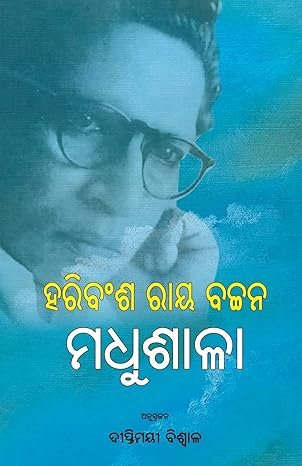
Madhushala (Harivansha Rai Bachhan)
₹220.00କବିର ହୃଦୟ କେବଳ କବିର ନୁହେଁ । କବିର ହୃଦୟ ଅଙ୍କରେ ତ୍ରିକାଳ ଓ ତ୍ରିଭୁବନ ଶାୟିତ । ସୃଷ୍ଟି ଦୁଗ୍ଧପାନକାରୀ ଶିଶୁଟିଏ ପରି କ୍ରୀଡ଼ାରତ ଓ ପ୍ରଳୟ ଅବୋଧ ବାଳକଟିଏ ପରି ଦୁଷ୍ଟାମି କରୁଛି । କବିର ହୃଦୟ ପ୍ରାଙ୍ଗଣ, ଶୂନ୍ୟପଥର ସଂଗୀତ, ଅନିଳର ହସ ଓ ସମୁଦ୍ରର କ୍ରନ୍ଦନରେ ପ୍ରତିଧ୍ୱନିତ । ହୃଦୟ ମନ୍ଦିରରେ ଜୀବନମରଣ ଅବିରତ ଗତିରେ ନୃତ୍ୟରତ । ଏହିସବୁ କାରଣରୁ କବିର ହୃଦୟ ତରଳିବା ସହ ସମସ୍ତ ବିଶ୍ୱ ମାଦକ ମଦିରାରେ ପରିପ୍ଳାବିତ ହୋଇଉଠିଛି । ଜଳ ସ୍ଥଳ, ଗଗନ ପବନ, ଧରା ସମୁଦ୍ର, ସ୍ୱର୍ଗ ନର୍କ, ଜଡ ଚେତନ, ରାତି ଦିନ, ବନ ଉପବନ, ନଦୀ ତଡାଗ, ମିଳନ ବିରହ, ପ୍ରଣୟ ସଂଘର୍ଷ, ଆଶା ନିରାଶା, ଜନ୍ମ ମୃତ୍ୟୁ – ସମସ୍ତ ବସ୍ତୁ ଯେଉଁମାନଙ୍କ ଅସ୍ତିତ୍ୱ ଏହି ବିଶ୍ୱରେ ଅଛି, ସେ ସମସ୍ତ ଆଜି ମଧୁଶାଳା ମଧୁଶାଳା ପ୍ରତିଭାତ ହେଉଛି ।