-
Sabyasachira Sabda
₹200.00‘সব্যসাচীৰ শব্দ’ সংকলনটি কবি অতনু সব্যসাচীৰ জীৱনৰ ঘাত-প্ৰতিঘাত, সামাজিক কর্মৰ মাজত দেউতাকৰ অতুলনীয় অৱদান, আনন্দ-প্ৰেম আৰু বিষাদ, মাতৃক হেৰোৱাৰ বেদনা, পার্থিৱ প্ৰেমৰ সমান্তৰালকৈ অদৃশ্যৰ ইংগিত, গভীৰ অনুভূতি তথা সমাজত পৰিৱর্তন আনিব পৰাকৈ কিছুমান দূৰদৃষ্টিসম্পন্ন চিন্তাধাৰাৰ এটি সুন্দৰ স্বৰলিপি ৷ গ্ৰাম্য জীৱনৰ মধুৰ স্মৃতিত আত্মগোপন কৰি থকা চিত্ৰোৎপলা নদীৰ পৰা আৰম্ভ কৰি গৌতম বুদ্ধ, মহাত্মা গান্ধী, ৰামকৃষ্ণ পৰমহংস, জাতিৰ শ্বহীদগণ, কৃষক সমাজ, গোমাতা, আব্দুল কালামৰ অৱদান তথা সমাজত অৱহেলিত ভোকাতুৰ বেলুনবেচা অসহায় ছোৱালীজনীৰ অধিকাৰলৈকে, ইহলোক-পৰলোকৰ ধাৰণা, জীৱনৰ উদ্দেশ্য, বিবেকৰ আহ্বান আৰু কর্মময় জীৱনৰ মধুৰ আনন্দ তথা অন্তিমযাত্ৰাৰ আহ্বানৰ সংমিশ্ৰণে- গোটেইখিনি কবিৰ লিখনীত ভিন্নস্বাদৰ পৰিচয়ক তুলি ধৰিছে ৷
-
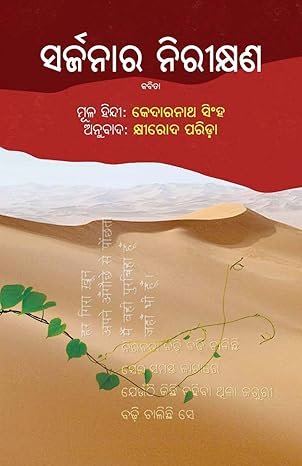
Sarjanara Neerikshana
₹190.00Kedarnath Singh was a poet of the earth and sky, towns and villages. He saw the ironies of life, ups and downs, love and sorrow, and the fast-changing scene of Indian democracy challenged by new political movements. When the Naxalbari leftist movement (an armed peasant movement that started in West Bengal) rattled the country, he understood the aspirations of underprivileged people, and his writing slowly started to lean toward the left. But Kedarnath Singh always remained a poet of optimism. In his poem “Srishti Par Pahra”, he writes, “Wearing the wobbly wooden sandals of roots / it was standing before me / guarding the border, . . . a tall, huge, desiccated tree / with only a few leaves left / waving on the top. How magnificent it was to view / on the very top of a dwindling tree / the swaying of the leaves. / In a severe drought / they were there / defending the universe.” Similarly, in his poem “Grass,” he writes: “She is a gypsy / driven from all the cities in the world / now looking for its lost name and place / in the dust of your town. / . . . She is an obstinacy to rise / from anywhere, / anytime. “Srishti par pahra” was his latest publication before he breathed his last. It is comprised of many unparalleled poems and translated in to Odia under the title “Sarjanara Nireekshana “.
-
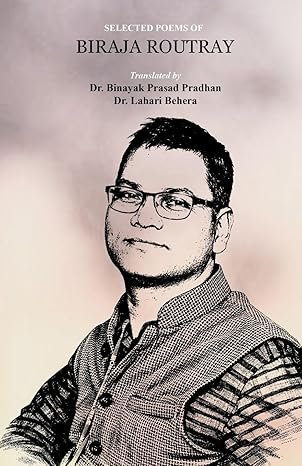
Selected Poems of Biraja Routray
₹250.00At times, life with all its uncertainties leaves us startled. Everything shatters in a jiffy, shaking the entire existence of human beings. The long cherished dreams are swept away like the cobwebs, bringing in a pall of gloom. Some of us give in or succumb to such uneven and unbecoming things and end up groaning under the weight of dejection. Only a few of us endure the misfortunes with a rare sense of endurance and resilience and undertake the path fraught with challenges and hardships. Dr. Biraja Routray is such a person who has undoubtedly undergone the toughest phase of his life but nothing has dampened his fighting spirit, mental agility and matchless creativity. Instead of being down in the dumps, he has emerged victorious by forging indomitable fortitude in the face of adversity. Dr. Biraja Routray is a name to reckon with. By dint of his inordinate passion, creative brilliance, social commitment and exceptional insights into human life, he has been ruling the hearts of legions of people all across the state. Be it administration, literature or social activism – he has left an indelible imprint on almost all the domains. Being a former Administrative Officer (OAS), writer and social activist, he has navigated the complex tapestry of life with elan and ease. His accomplishments when it comes to literature are absolutely incredible. His impressive literary oeuvre includes eight short story collections including Gahali Arapate (2007), Bahu Bachan (2010), Pratipakshyara Hasa (2001), Bisama Bahu (2013), Purna O Shunya (2016), Taravarti Akasha (2028), Nua Gapa Ra EMI (2024) and Sabu Modare Jibana (A Short Story Collection based on Disability), a recently published novel, Olatpur (2025) andfive books of poems in Odia. His poetry volumes include Kemiti Vijaye Barsha (2004), Atma Darshan (2007), Sandhikala (2011), Abhishek Hrudayara (2015) and Nua Janha Uinchhi (2024). His literary endeavours have tasted incredible success and won him multiple accolades. In recognition of his literary contribution, he has been conferred with numerous illustrious and coveted awards like Katha Naba Pratibha Puraskar, Kanhei Katha Puraskar, Utkal Sahitya Samaja Yuva Purskar, Rabi Patnaik Smruti Galpa Purskar, Bhubaneswar Pustak Mela Puraskar. Jagdish Yuva Sanman, Gokarnika Galpa Sanman and Sri Subrat Rath Smaraki Puraskar by Sri Gangadhara Rath. Apart from this, adding feather to his cap, he represented Odisha in All India Differently Abled Writers’ Meet-2023 organized by Kendriya Sahitya Akademi. Translating a writer like Biraja Routray is a tough job. His metaphors are unusual, multi layered and rich in association which renders them extremely difficult to translate. However, we have tried our best to retain the originality, intent, essence and lyricism of the poems during the transit from the source to the target language. Even though it is quite natural that while moving from source to target, certain things tend to fall through the cracks, we have made sincere efforts to make these poems sound and feel as natural and genuine as possible.
-
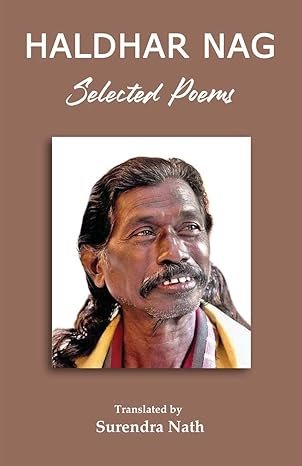
Selected Poems of Haldhar Nag
₹250.00“I have often wondered if Haldhar Nag graduated from a poetry school. Of course, that cannot be true, but my feeling arises from the abundance of figures of speech that appear in his poetry. Unknown to him, he sprinkles liberally the effects of alliteration, metaphors, internal rhyming, personification, onomatopoeia, and what have you in his usage. Ghensali (River Ghensali) is personification at its best, where the poet personifies a river in spate as a young lass in exuberance. And yes, he has come out with sonnets too. Read Ati (Too Much) to get a taste of Haldhar sonnet. The stanzas are spaced in 4, 4, 4, 2 lines, with a proper rhyme scheme. It leaves me in wonderment again – If he did not go to a poetry school, then did God plant all these literary usages in his head?
For the sound effect, listen to Chaetar Sakaal (The Morning of March) – twelve stanzas replete with
onomatopoeic works. Pity the translator who has to preserve the special effect in another language. I take recourse to the limitations of translation once again and state the obvious: Translations can never attain the beauty of the original. If we liken the original to an attractive painting, at best, the translation can be a replica or a photograph.
A hallmark of Haldhar Nag’s poetry is what I call the Haldhar twist. It is particularly prominent in his short poems. The poet takes an abrupt turn in the direction in the last stanza, not necessarily for summarizing or moralizing. The surprise turn in the final stanza, instead, leaves the readers with a ‘wow’ effect. Very many poems in this collection display the Haldhar twist – Our village Cremation Ground, A Cubit Taller, The Dove is my Teacher, and Old Banyan Tree, to name a few”, writes the translator in his prefix.
The collection has 60 poems.
-
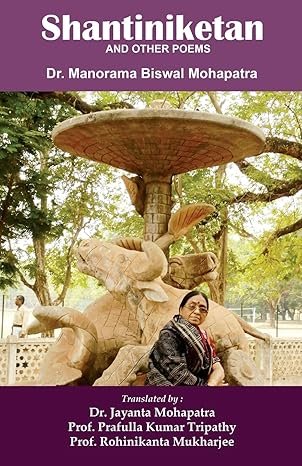
Shantiniketan and Other Poems
₹250.00Places, relationships, nature, domestic experiences: these are the main sources of Manorama Biswal Mohapatra’s poems. The print plight of Shanti Niketan Tagore’s Dream-University saddens and infuriates the poet who admires its founding genious. Its dance has been stilled; devils and dragous have turned that sweet dream into a fierce nightmare. Its cry makes her listless, nostalgic about its glorious past that had initiated her into the art of poetry and music. This unrest soon grows into self-pity, she feels she is a woman in exile trying to climb up a broken ladder. The poet pays rich tribute to her mother who had first planted dreams in her: she never capsizes, never ceases to burn. There is a goddess in every mother, she says. Her decrepit village pains her as much as her house whose love and faith have given way to sadness and gloom. The poems, mostly, have an elegiac tone: yet there are moments too of hope and assurance of survival.
Prof. K. Satchidanandan
Eminent Poet & Professor of Malayalam Language
Ex-Secretary
Central Sahitya Academy
-
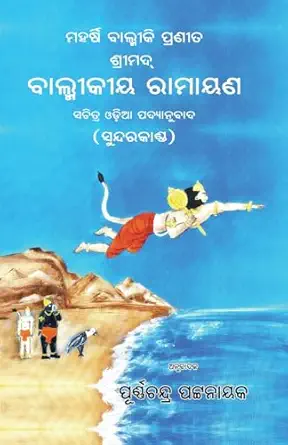
Shrimad Balmikiya Ramayan: Sundarakand: Sundarkand
₹400.00ମୋ ବାପା ଶ୍ରୀ ପୂର୍ଣ୍ଣଚନ୍ଦ୍ର ପଟ୍ଟନାୟକ ମହର୍ଷୀ ବାଲ୍ମୀକିଙ୍କର ପ୍ରଣୀତ ସାତଖଣ୍ଡ ରାମାୟଣକୁ ଓଡ଼ିଆରେ ପଦ୍ୟାନୁବାଦ କରିଥିଲେ । କେବଳ ବାଳକାଣ୍ଡକୁ ୧୯୮୮ ମସିହାରେ ପ୍ରକାଶ କରିଥିଲେ ।
ବହୁ କାରଣ ସକାଶେ ଏ ପର୍ଯ୍ୟନ୍ତ ଅନ୍ୟ ୬ କାଣ୍ଡ ପ୍ରକାଶ ହୋଇପାରିନାହିଁ । ଇତିମଧ୍ୟରେ ଅଯୋଧ୍ୟାରେ ନୂତନ ଭବ୍ୟ ଶ୍ରୀରାମ ମନ୍ଦିର ନିର୍ମାଣ ଓ ପ୍ରାଣ ପ୍ରତିଷ୍ଠା ସମ୍ପୂର୍ଣ୍ଣ ହୋଇଯାଇଛି । ବାପା ଲେଖିଥିବା ସୁନ୍ଦରକାଣ୍ଡ ପାଣ୍ଡୁଲିପି ଏହି ବର୍ଷ ରାମ ନବମୀ ତିଥିରେ ବ୍ଲାକ ଈଗଲ ବୁକ୍ସ ଦ୍ୱାରା ପୁସ୍ତକ ଆକାରରେ ପ୍ରକାଶିତ ହେବାକୁ ଯାଉଅଛି ।
ମୋର ମନେପଡ଼େ ବାପା ସପରିବାର ତାଙ୍କର ଗ୍ରାମ ଦାଧିମାଛଗାଡ଼ିଆକୁ ଖରାଛୁଟିରେ ରାମଲୀଳା ଦେଖିବାକୁ ଓଡ଼ିଶାର ବିଭିନ୍ନ ଯାଗାରୁ ଆସୁଥିଲେ । ବାପା ସତ୍ୟମାର୍ଗରେ ଏକ ରାମ ରାଜ୍ୟରେ ପ୍ରଜାମାନେ ଜୀବନଯାପନ କରିବା ବିଶ୍ୱାସ କରୁଥିଲେ । ତାଙ୍କ ଜୀବନ କାଳରେ ସେ ଶ୍ରୀରାମଙ୍କ ଦ୍ୱାରା ବିଶେଷ ଭାବରେ ପ୍ରଭାବିତ ହୋଇଥିଲେ । ସେ ବିଶ୍ୱାସ କରୁଥିଲେ ଯେ ଶ୍ରୀରାମଙ୍କ ସାମ୍ରାଜ୍ୟ ସମଗ୍ର ଭାରତୀୟ ଉପଦ୍ୱୀପରେ ବିସ୍ତାର କରିଥିଲା । ସେ ରାମ ଶାସନ କରିଥିବା ଯାଗାଗୁଡ଼ିକର ଏକ ହାତଟଣା ନମୁନା ମାନଚିତ୍ର ତିଆର କରି ଏକ ସଠିକ ମାନଚିତ୍ର ପାଇଁ ପାଠକମାନଙ୍କୁ ଆମନ୍ତ୍ରଣ କରିଥିଲେ । ବାଳକାଣ୍ଡର ଅଗ୍ରଭାଗରେ ସେ ନିଜ ବିଷୟରେ, ସତ୍ୟ ଆଉ ରାମଭକ୍ତି ଉପରେ ପ୍ରାଞ୍ଜଳ ଭାବେ ନିଜର ମତ ପ୍ରକାଶ କରିଛନ୍ତି । ତାହାକୁ ଏଠାରେ ତଦ୍]ରୂପ ଉଦ୍ଧୃତ କରିବାକୁ ଉଚିତ ମନେକଲି ।
ଆଶାକରେ ଓଡ଼ିଆ ପାଠକବୃନ୍ଦ ସୁନ୍ଦରକାଣ୍ଡ ପୁସ୍ତକକୁ ସାଦରେ ଗ୍ରହଣ କରିବେ । ମୋ ମାତୃଭାଷା ଓଡ଼ିଆ ହୋଇଥିଲେ ମଧ୍ୟ ବିଭିନ୍ନ କାରଣ ଯୋଗୁଁ କେତେକ ତ୍ରୁଟି ପୁସ୍ତକରେ ରହିଯାଇ ଥାଇପାରେ । ସେଗୁଡ଼ିକୁ ପାଠକେ ପ୍ରକାଶକକୁ ଅବଗତ କରିବା ପାଇଁ ଅନୁରୋଧ କରୁଅଛି ।
– ଦେବନାରାୟଣ ପଟ୍ଟନାୟକ
-
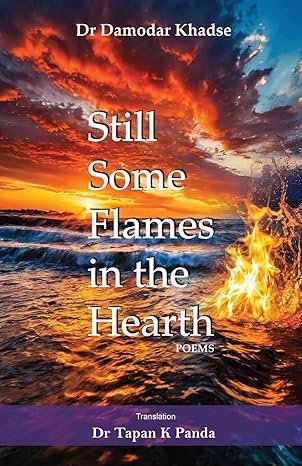
Still Some Flames in the Hearth
₹200.00In this frozen time
the cold freezes the words,
Icy winds extinguish…
all flames,
eyes turn into stone!
Vision is blurred,
Identity is lost,
the freezing hands,
devoid of warmth,
the tongue sticks to the palate,
arrows and spears dissolve
in the winds,
Ice sheets spread out
on relationships,
everything gets frozen within,
no one is visible….
But when human smell hovers
in the deep forests,
a call-out searches for its other end.
With difficulty when one can speak,
someone blows the flames from the hearth,
with closed eyes,
I sit down in front of the hearth,
and think about the conversations,
the flames rise slowly from the hearth.
You drop the silence,
Break your quietude,
In the warmth of the conversations,
the flames always glow in the hearth.
Don’t be wordless ever.
There is still some flame in the hearth.
-
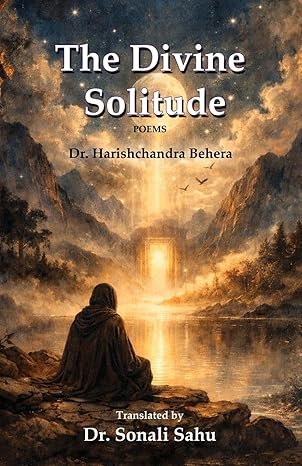
The Divine Solitude
₹350.00The Divine Solitudeis the English transcreation of “Aparthiba Nirjanata” by Dr. Harishchandra Behera, a celebrated voice in Odia poetry whose work moves effortlessly between myth and lived reality, devotion and dissent, intimacy and vastness. Translating these poems has been less an act of linguistic transfer and more a journey of listening-listening to silences, pauses, symbols, and the emotional undertow that carries the poem beyond words.
The poems gathered here inhabit a space where the earthly and the divine overlap: rivers remember motherhood, boats become lives, feet turn into lotuses, and solitude itself acquires a sacred resonance. Mythological figures-Rama, Ahalya, Vishwamitra, the ferryman, the flute of the Kadamba grove-are not distant icons but breathing presences, entering daily life, desire, doubt, and ethical questioning. This poetry does not merely retell myth; it interrogates it, softens it, humanizes it.
-
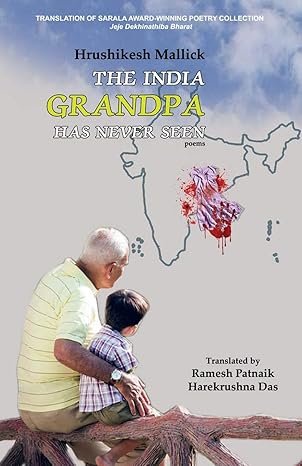
The India Grandpa Has Never Seen
₹250.00The India Grandpa Has Never Seen is the translation of the poet’s Jeje Dekhinathiba Bharat which won him the prestigious Sarala Award. Rich in romantic essence that transports the readers into our pastoral origins in which modern India is deeply entrenched, this collection has finely crafted poems. The poet essays to explore through poetry the spirit of Mother India that reminds its children of the core values for which the geo-political map stands as a mute testimony. The scheme of symbolism the poet adopts is intricate because of the ethnic quality he invests in the emotions through agrarian imagery. The rural rituals, customs and myths surrounding poverty in the countryside is peculiarly Indian. The portrait of India in terms of its emotions encompassing the quality of life and the degeneration of human values in the hands of a chosen few is awe-inspiring.
-
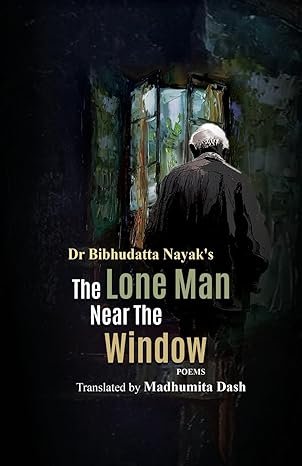
The Lone Man Near the Window
₹250.00This book, The Lone Man Near the Window, is like an identity to the experiences of a keen family person in his/her lonesome moments. It is not only about the poet’s life, lessons, thoughts rather an extension of you, me and all sensitive persons who in real face, feel and resemble such phases narrated in each individual poetry.This piece of art can’t be absorbed by an one go reading. Though it is adorned with very simple words yet has deep impacting topics orchestrated with word senses and harmony.The concept and the purpose of the book can’t be gulped down in a single reading. To understand the seamless process, one has to live each and every philosophy coated in words. The original book by revered Poet Dr. Bibhudatta Nayak is literally an experience manual which describes the tit bits of life tools. It enlists the ingredients and principles of life which make our lives sweet, sour, annoying, energetic, challenging, emotional, decisive, philosophical at times. Most of the experiences of daily chores in this mundane world have given a euphonious shape of distinct poetry in this book.
-
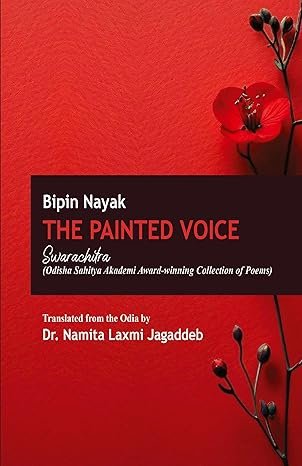
The Painted Voice
₹250.00The kaleidoscopic earth and sky saturated with colours, sounds and perfume, are packed into his capsule-like poems ever glittering, humming, exuding sweet fragrance. However, one can’t help noticing an elegiac tune thrumming at the heart of the poems, of some intimacy found and lost, some moments of togetherness gone with the wind, a longing for renewal of life in love beyond time and space. Many of the poems testify to an aching heart seeking the healing balm from the benign Nature. That is why, perhaps, the poet sings with birds, yet grieves at a falling one; smiles with budding blooms; grieves at the wilting ones; rejoices at a quiet dawn propping a young sun. He too longs to offer his life to the fire of love, to lose the self to win liberation. All these speak volumes for the mind and heart that shaped the poems. Some are earthy, some skyiee, heavenly and some are exquisite fusion of both.
-
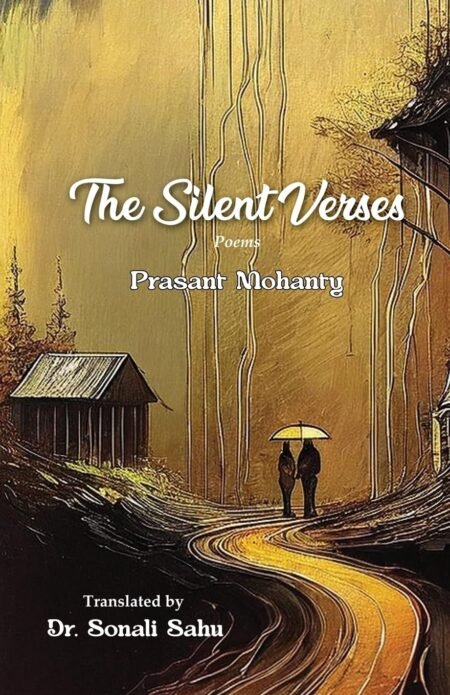
The Silent Verses
₹225.00This book, a collection of fifty-five love duets, is more than just poetry-it is a tender, soul-stirring dialogue between two lovers, echoing their unspoken desires, silent aches, and passionate union.
Each verse, delicately carved, is drenched in emotion-ranging from yearning and surrender to spiritual oneness. As I translated these stanzas, I found myself not just interpreting words, but breathing into them the rhythm of another language, while striving to preserve their original fragrance.
The lovers in these verses transcend time and tradition, defy norms, and dissolve boundaries. Their intimacy is woven not merely through the physical, but through the metaphysical-through moonlight, memory, fire, rivers, and silence. They speak to each other through sensations, through metaphors, and often, through silence louder than sound.