-
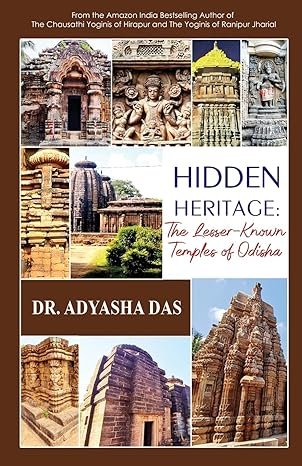
Hidden Heritage: The Lesser-Known Temples of Odisha
₹320.00“Hidden Heritage: The Lesser-Known Temples of Odisha” invites readers on a journey into the heart of Odisha, uncovering its forgotten spiritual gems and architectural marvels. Beyond the grandeur of Puri and Konark lies a landscape adorned with ancient temples, many of them obscured by time and modernity. This book illuminates these hidden treasures-each temple a silent witness to centuries of devotion, artistry, and cultural evolution. Perfect for history lovers, art enthusiasts, and explorers of the sacred, this book uncovers a world where every carving and pillar speaks of a bygone era, urging us to preserve these remnants of our shared past.
-
History of Ancient Odia Literature
₹600.00The moment I chose to write this book to outsource Odia literature, a part of my commitment as a historian impels me to seek and serve truth. The writing of history demanded a special kind of observation because all events, having slipped into the past, become hazy and indistinct except the documented traces. The undocumented events turn into memories. I learned to interpret the clues, signs and tracks through cultural memories of the past. But there is no reliable witness in the absolute sense. There is only more or less, reliable testimony.
The book, in the process, turned out to be a means of clarifying my own ideas on the subject. I discovered the humanist dimensions of historical consciousness, although my western contemporaries seem to deny-or at least, put in doubt-the principles of humanism. I have also been guided by the practice of historical reconstruction in literary studies forced by the need to understand historical materials in their own context.
I construct my propositions in two ways-by culling the signifying actions, characters, habits, aims and circumstances of writers and literary terms signifying attributes of literary works. I have followed R.S. Crane’s Critical and Historical Principles of literary History to organize my materials in succession of time, distribution in space and likeness and difference in character. I have undertaken to survey systematically he literary productions of my race through time. In all these primary units of interpretation are either works or, more commonly, authors viewed as the most immediate cause of the characteristics exhibited by their works; but the individual histories differ widely according to the fashion in which the basic principles of succession and of likeness and difference are construed.
-
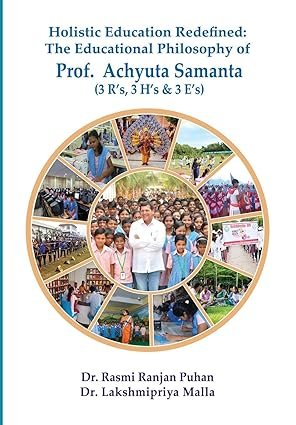
Holistic Education Redefined: The Educational Philosophy of Prof. Achyuta Samanta
₹500.00Education is the cornerstone of human development, and its transformative power is most evident when it reaches the underprivileged. Prof. Achyuta Samanta, a visionary social activist and philanthropist, has redefined the landscape of education for marginalized communities through his pioneering institution, the Kalinga Institute of Social Sciences (KISS). His life and work exemplify a profound commitment to holistic education, ensuring that poor tribal students receive not only academic knowledge but also the values, skills, and opportunities needed to thrive in an ever-changing world. We are truly overwhelmed and astonished by the extraordinary KISS Model, which has transformed indigenous students into leaders across various fields. Holistic Education, which was once a mere dream for many educationists and nations, is being realized in its truest form through this remarkable initiative.
This book is a humble attempt to document the life philosophy and educational vision of Prof. Samanta-a man who turned his personal struggles into an unwavering mission for social upliftment. His unique approach to education integrates knowledge, values, skill development, and well-being, ensuring that the students of KISS are not only educated but also empowered to lead dignified and self-reliant lives. The journey of KISS is a testament to the power of compassion and perseverance. It showcases how one individual’s commitment can create a sustainable model for inclusive and Holistic Education, creating pathways for economic and social empowerment, and ensuring opportunities for generations to come.
-

Iconic Figures of Modern Odisha
₹600.00Odisha has a rich cultural heritage. The present volume is a collection of articles about thirty four legendary icons of modern Odisha by reputed scholars. It attempts to showcase the contributions of the seminal figures of the state of Odisha who have excelled in various fields like Politics, History, Economics, Philosophy, Psychology, Sanskrit, Sociology, Social Services, Sports, Art, Music, Spiritualism, Language and Literature etc. These towering personalities have earned reputations across the globe. This is a unique approach to highlight their contributions to understand various aspects of Odishan culture.
Iconic figures include Droupadi Murmu, Biju Patnaik, Nandini Satpathy, Harekrushna Mahatab, Janaki Ballav Patnaik, Naveen Patnaik, Biswabhushan Harichandan, Radhanath Rath, Chittaranjan Das, Manoj Das, Jayanta Mahapatra, Kunja Bihari Dash, Golok Bihari Dhal, Abhiram Paramahansha, Paramahansha Prajnanananda, Bhikari Bal, Ganeswar Mishra, Hrudananda Ray, J.N. Mohanty, Radhanath Rath (psychogy), Manmath Das, Jagannath Patnaik, Harekrishna Satpathy, Subrato Bagchi, Sudarshan Patnaik, Bhairab Mohanty, Sreeram Chandra Dash, Baidyanath Mishra, Achyuta Samanta, Pratibha Ray, Gopinath Mohanty and Dillip Tirkey.
-
If Memory Could Speak
₹350.00This work has been presented in five chapters. Chapter-I (The place I come from) gives a brief account of the village the author has come from, its beautiful features, the caste structure in the village, inter caste relationship, land ownership etc. A brief attempt has been made here to throw some light on the state of the village and its level of development. In discussing an ordinary oil seller and his method of measurement, an attempt has been made to throw light on the socioeconomic position of the village and its people. It includes the picture of the rural elite who helped resolution of conflicts. The chapter-II (the author, his friends and family) is devoted to description of his parents, family, relations etc. This is a short one. Chapter III is on his professional career. The author has worked in Utkal, Berhampur, Sambalpur and Fakir Mohan Universities.
The two chapters (IV and V) relate to his days and activities in Fakir Mohan University. The chapter IV (F. M. University: Efforts for recognition) gives details about the way a university could be established at Balasore. It was at the nascent stage, and I had to bring it to a productive institution, various things were to be done, cooperation and help from several persons had to be sought and achieved. The university had to fulfil the conditions necessary for accordance of UGC recognition u/s 12(B) of the UGC Act, 1956. The university had to work like a university and function as such before the UGC Committee visited for grant of recognition. The Chapter-V (Post recognition developments) gives information about how the university prepared development projects for financing by the UGC and other funding agencies. And how the funds so received were fruitfully utilized in time. Also, in this chapter, the author has described how the new campus was built and how the university had to fight evil forces who created various types of difficulties. This chapter also includes author’s post retirement days.
-
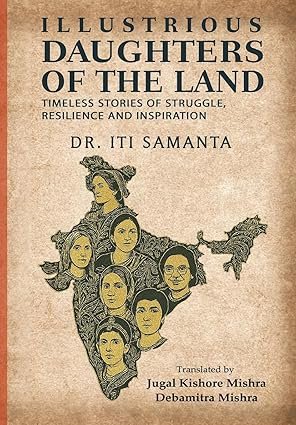
Illustrious Daughters of the Land: Timeless Stories of Struggle, Resilience and Inspiration
₹850.00This book pays tribute to the lives, voices, and legacies of Indian women-women who have walked diverse paths, often uncelebrated and relegated to the margins of history. Drawn from the rich and intricate shades of India’s cultural, historical, and social landscape, these stories highlight the strength, spirit, remarkable resilience and silent struggles of women who have, in countless ways, shaped the nation’s destiny.
Over three years, the author undertook a fascinating journey through archives, literature, oral histories, and regional narratives to rediscover and reimagine these women’s stories. Some of them were leaders and reformers, some artists, and thinkers, while many were ordinary women leading extraordinary lives in the quiet corners of homes and communities. From myths to modernity, and the pages of history to the margins of memory, these women are brought vividly to life through thoughtful interpretation and literary reflection.
This work is not merely a collection of biographies; it is a meditation on Indian womanhood. It explores the duties, responsibilities, dreams, and sacrifices that have defined and shaped women’s lives in India throughout the ages. It captures their enduring quest for dignity, respect, and equality in a patriarchal world, as well as the many ways they have resisted, redefined, and triumphed over adversity.
In each story, one finds a spark of courage, intellect, compassion, and rebellion. Together, these sparks from a luminous flame that continues to illuminate the path generations to come would follow. The book invites readers to remember, reflect on, and honour the countless Indian women, whose stories deserve to be told, celebrated, and passed on.
-

Incredible Odisha: Celebrating the Rhythms and Traditions of Odisha
₹350.00Through this book, Incredible Odisha, meticulously prepared by Dr. Sonali Sahu, an effective teacher in English and an efficient scholar with in-depth knowledge on cultural nuances, we invite readers to explore these traditions not as isolated performances but as living legacies tied to the land, the festivals, the faiths, and the everyday lives of its people. Each dance form is a mirror to the region’s history, its resilience, and its connection to the divine and the communal.
We owe a deep debt of gratitude to the artists, gurus, scholars, and communities who continue to breathe life into these traditions. It is their passion and perseverance that have inspired this book. May this work serve as a step toward preserving, documenting, and celebrating the diverse dance heritage of Odisha.
Let us move together to the rhythm of Incredible Odisha.
Prof. Basanta Kumar Panda
Project Director
Centre of Excellence for Classical Odia
Ministry of Education
Govt. of India
-
Indian Knowledge Systems: Literary Mapping of Ethics, Ecology and Education
₹515.00The volume Indian Knowledge Systems: Literary Mapping of Ethics, Ecology and Education emerges from a growing recognition of the relevance and resilience of India’s civilizational wisdom in addressing the ethical, ecological and educational challenges of the contemporary world. Rooted in an ancient yet continuously evolving intellectual tradition, Indian Knowledge Systems (IKS) encompass a vast spectrum of philosophical, literary, pedagogical and ecological thought articulated through texts, oral traditions and lived practices. This book seeks to explore how these knowledge systems are imaginatively and critically represented in literature, and how literary texts serve as vital sites for preserving, transmitting and reinterpreting indigenous epistemologies.Indian literary traditions ranging from the Vedas, Upanishads, epics, Puranas, classical Sanskrit drama, Bhakti and Sufi poetry, to regional and modern literatures have consistently foregrounded ethical conduct (dharma), harmonious coexistence with nature (ṛta) and holistic education (vidya). Unlike compartmentalized modern disciplines, Indian thought perceives ethics, ecology and education as interrelated and mutually sustaining domains.Education, within Indian Knowledge Systems, is envisioned as a transformative process aimed at the cultivation of character, wisdom and social harmony. The guru-siṣya tradition, dialogic learning and experiential pedagogy foregrounded in classical and folk narratives challenge utilitarian and market-driven models of education. Literary texts thus become pedagogical tools that transmit cultural memory, ethical insight and ecological awareness across generations.The essays collected in this volume adopt interdisciplinary and comparative approaches to examine how literary texts classical, folk, regional and modern map Indian Knowledge Systems in diverse contexts. Contributors engage with Sanskrit and vernacular traditions, oral narratives, postcolonial reinterpretations and contemporary literary discourses to demonstrate the continuing vitality of indigenous knowledge frameworks. By situating literature as both a mirror and a medium of Indian epistemic traditions, this volume aims to foster a deeper understanding of how IKS can inform sustainable ethics, environmental stewardship and inclusive education today.This book will be of interest to scholars, teachers, researchers, and students of literature, cultural studies, philosophy, education and environmental humanities. It also seeks to contribute meaningfully to ongoing academic and policy-level discussions on integrating Indian Knowledge Systems into higher education curricula, in line with recent national and global initiatives.We hope that this volume encourages renewed engagement with India’s literary heritage as a living repository of ethical wisdom, ecological balance, and holistic education and inspires further research into the dynamic intersections of tradition and modernity.
-
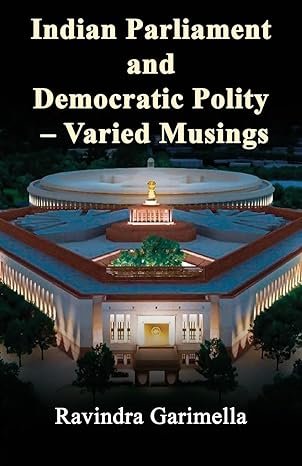
Indian Parliament and Democratic Polity – Varied Musing
₹300.00This book is a compelling anthology of eleven essays by Ravindra Garimella, a seasoned parliamentary bureaucrat with over four decades of experience. It delves into the vibrant and multifaceted journey of Indian democracy, exploring topics that are pivotal to understanding the workings of the Indian Parliament and the country’s democratic ethos.
The essays span a broad range of subjects, from the history and symbolism of the Indian National Flag, constitutional values, to contemporary issues like marriage equality following the Supreme Court’s 2023 verdict. The book also sheds light on the inner workings of Parliament, such as procedural tools available to MPs, budgetary processes, and no-confidence motions, offering readers a deeper appreciation of parliamentary traditions and mechanisms.
The volume stands as a valuable resource for students, scholars, and anyone intrigued by the nuances of India’s democratic journey. With a foreword by Mallikarjun Kharge, Leader of Opposition in the Rajya Sabha, this compilation is both a tribute to and a guide for understanding the enduring legacy and evolving dynamics of Indian democracy.
Through this collection, the author not only shares insights into parliamentary procedures and historical contexts but also engages with contemporary debates, making it a timely and thought-provoking addition to literature on Indian polity.
-
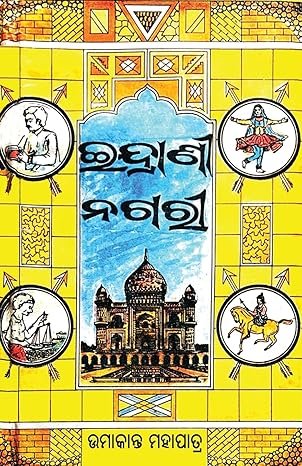
Indrani Nagari
₹220.00ଉମାକାନ୍ତ ବାବୁ ଖୁବ୍ ବିଳମ୍ବରେ – ପ୍ରାୟ ୧୯୮୬ ମସିହାରେ ସାହିତ୍ୟରେ ମନୋନିବେଶ କଲେ । ଅନେକ କ୍ଷୁଦ୍ରଗଳ୍ପ, ନିବନ୍ଧ, ରମ୍ୟ ରଚନାର ସ୍ରଷ୍ଟା ଉମାକାନ୍ତ ବାବୁ ଜଣେ ସ୍ତମ୍ଭକାର ଭାବେ ବିଭିନ୍ନ ବିଷୟର ଅନୁଶୀଳନ କରି ନାନାଦି ପ୍ରାସଙ୍ଗିକ ଅଥଚ ସର୍ବସାଧାରଣରେ ଅବିଦିତ ତଥ୍ୟ ପରିବେଷଣ କରି ଏକ ବୃହତ୍ ପାଠକ ଗୋଷ୍ଠୀର ଶ୍ରଦ୍ଧାଭାଜନ ହୋଇପାରିଥିଲେ । ତାଙ୍କର କ୍ଷୁଦ୍ର ଗଳ୍ପଗୁଡ଼ିକ ଅନବଦ୍ୟ । ସେଥିରେ ସେ କଥକ ପରି ଚରିତ୍ରମାନଙ୍କୁ ଟିକିଏ ଦୂରରୁ (କିନ୍ତୁ ଏତେ ଦୂରୁ ନୁହେଁ ଯେ ସେମାନେ ଇତର ଲୋକ ବା ଅନାତ୍ମୀୟ ପରି ଦିଶିବେ) ଦେଖି ସେମାନଙ୍କର ନିତିଦିନିଆ ଜୀବନ ଓ ତା’ର ଅନ୍ତରାଳରେ ଥିବା ଜୀବନର ଚିତ୍ର ଉପସ୍ଥାପନ କରନ୍ତି । ଶୈଳୀ କଥକର ଶୈଳୀ ପରି – କାହାଣୀଟିକୁ ବିନା ବାକ୍ୟାଡମ୍ବରରେ ଓ ସଂକ୍ଷେପରେ କହିବା ସେ ଶୈଳୀର ଲକ୍ଷ୍ୟ । ଉମାକାନ୍ତ ବାବୁ ତିନିଟି ଖୁବ୍ ଅସାଧାରଣ ଓ ସାର୍ଥକ ଉପନ୍ୟାସର ରଚୟିତା ମଧ୍ୟ ।
ଓଡ଼ିଆ ବ୍ୟତୀତ ଇଂରାଜୀ, ହିନ୍ଦୀ, ଉର୍ଦ୍ଦୁ ଓ ବଙ୍ଗଳା ଭାଷାରେ ସେ ବିଶେଷ ବ୍ୟୁତ୍ପତ୍ତି ଲାଭ କରିଥିଲେ । ଉର୍ଦ୍ଦୁର ମହାନ୍ କବି ମୀର୍ଜା ଗାଲିବ୍]ଙ୍କର କବିତାର ସେ ଓଡ଼ିଆ ରୂପାନ୍ତର କରିଛନ୍ତି ଏବଂ ଗାଲିବ୍ ତଥା ଅନ୍ୟାନ୍ୟ ସମକାଳୀନ ଉର୍ଦ୍ଦୁ କବିଙ୍କର ଅନନ୍ୟ କବି ପ୍ରତିଭାର ପ୍ରବକ୍ତା ଭାବେ ସେ ୧୯୯୯ ମସିହାରେ ଗାଲିବ୍]ଙ୍କର ଦ୍ୱିତୀୟ ଶତବାର୍ଷିକ ଜୟନ୍ତୀକୁ ଭାରତ ସରକାରଙ୍କ ଦ୍ୱାରା ବିଶେଷ ଭାବେ ନିମନ୍ତ୍ରିତ ହୋଇଥିଲେ ।
-
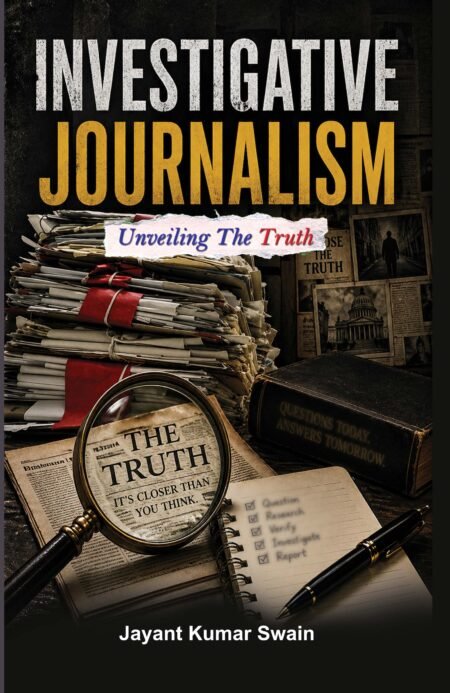
Investigative Journalism
₹375.00The present book is a concise course in investigative journalism. We do not have many publications on investigative journalism with academic intent. The topic will have fleeting references in the classrooms. The book has been divided into ten useful chapters. Each chapter is a reservoir of information. The first chapter deals with a general introduction to fundamentals of investigative journalism where efforts have been made to help them understand the significance of investigative journalism in society and distinguish between the routine and investigative journalism. The second entitled Investigative Reporting in Indian Context provides a detail account of investigative reports in pre and post independence along with a checklist for investigation in financial matters of national importance. The third section is devoted to various stages of investigative reporting. The fourth section deals with the strategies for overcoming problems in developing story idea and the usefulness of hypothesis. Planning is an important stage of investigative reporting for which efforts have been made in the fifth chapter of this book to explain how to make strategies for time, budget, and methodology planning. The sixth chapter of this textbook is on data security that speaks a volume about how journalists will protect their data from unauthorized access, theft, modification and mis-utilization by making it hard, lengthy and expensive. They will also learn the techniques to build their own database. The contents of chapter seven is on the protection of human sources. The chapter eight explains the techniques of interviews which are of practical utility for every type of reporting. The target audience of this textbook after going through the contents presented in the chapter nine that is on story writing for print and broadcast media will develop confidence and learn techniques to write the story. The ethics of investigative journalism happens to be the last chapter which is not only important for investigative reporting but also for all types of reporting. The suggestions, tips, and creative contents provided in this book will be a driving force for journalists passionate about undertaking investigative assignments. The target audiences of this textbook are students, teachers, researchers, media professionals, citizen journalist or independent investigative journalist, who will receive a complete idea about the very concept of investigative journalism, its practice and relevance in Indian context, and develop reporting skills through the engaging contents of this textbook. The consumers of this textbook will find this book valuable for its substantive content and new perspectives in investigative journalism.
-

Investigative Journalism
₹375.00The book has been divided into ten useful chapters. The first chapter deals with a general introduction to fundamentals of investigative journalism where efforts have been made to help people understand the significance of investigative journalism in society and distinguish between the routine and investigative journalism. The second chapter titled with Investigative Reporting in Indian Context provides a detail account of investigative reports in pre and post independence along with a checklist for investigation in financial matters of national importance. The third section is devoted to various stages of investigative reporting. The fourth section deals with the strategies for overcoming problems in developing story idea and the usefulness of hypothesis. Planning is an important stage of investigative reporting for which efforts have been made in the fifth chapter of this book to explain how to make strategies for time, budget, and methodology planning. The sixth chapter of this textbook is on data security that speaks a volume about how journalists will protect their data from unauthorized access, theft, modification and mis-utilization by making it hard, lengthy and expensive. The contents of chapter seven is on the protection of human sources. The chapter eight explains the techniques of interviews which are of practical utility for every type of reporting. The target audience of this textbook after going through the contents presented in the chapter nine that is on story writing for print and broadcast media will develop confidence and learn techniques to write the story. The ethics of investigative journalism happens to be the last chapter which is not only important for investigative reporting but also for all types of reporting.Efforts have been made to match the volume of readership with the quality of exposition embodied in this book. It was the feedback from students who narrated the difficulties they face in studying the investigative journalism in the absence of adequate written accounts. When writing this book, I have tried to use all the good knowledge on the subject I could find. My debt of gratitude is therefore so large that it is impossible to acknowledge all cases of direct and indirect influence. The ideas of leading scholars and researchers who have been active in a number of academic fields have been incorporated so as to enrich the contents of the book. Though information culled from various sources has been checked and re-checked blemishes cannot be ruled out altogether. Suggestions from discerning readers will be most welcome.