-
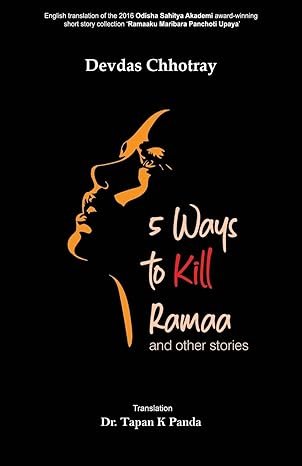
5 Ways to Kill Ramaa and Other Stories
₹250.00Fantasy and prudence are like a swing door through which imagination and creativity move without any effort. Devdas Chhotray acknowledges that the stories are tantamount to falsehood though it is perceptible at a certain point.’Five Ways to Kill Ramaa’ is a uniuqe theme of the writer playfully toying with disparate ideas to kill Ramaa. The writer builds a castle in the air and conceptualizes five different ways of doing this. Since her childhood, he has known Ramaa. Then he had frequently visited Tiku, who is Ramaa’s elder brother. She was a sloppy mess and had unkempt hair, which was covered with dandruff, and that’s the reason why her hair was shaved frequently. In his childhood, Ramaa’s living room became a place to enact the play where he and Ramaa acted like a couple and Tiku as a tutor. Ramaa draped herself with Kuni aunty’s saree, decked herself up in jewels and had put vermilion on her forehead. He fantasized about Ramaa in the same attire when he was thirteen. He still remembers when Ramaa wore a saree for the first time. She looked like a beautiful rose in her pink saree. She revealed her grandeur. She appeared like a bride, but he could never see her because, fifteen years after of this incident, she eloped with Bikas and solemnized her marriage in court.Ramaa’s attitude towards the writer was never favourable, but her first saree-draped matured figure transfigured him into a grown-up man.In Bikas and Ramaa’s story, the writer introduces the character, Bikas. Bikas’s personality enticed Ramaa, and she was put under a spell by his charm. Ramaa justified her action and, of course, succeeded in marrying Bikas. The writer was a scapegoat in this affair and witnessed their marriage. His bitterness for Bikas grew with time, and he always tried to find a way to spoil this prospering liaison.’Why to Kill Ramaa’ presents the writer’s devilish vision of slaying Ramaa. In ‘The First Attempt, ‘ the writer spilled kerosene all over the floor and lit a fire. The glass case in which Ramaa was standing was engulfed with fire. The next day he turned the newspaper’s pages, apprehending that the news might have been published but finally concluded that it was his dream but not the reality. In the second, third, fourth, and fifth attempts, the writer lists various strategies to kill Ramaa. These indicate his attitude and resentment for Ramaa.
-

After the Deluge
₹600.00The greatest work of Pratibha Ray is definitely her novel Magnamati (After the Deluge) first published in the Odia in 2004, translated into several Indian languages and into English by Prafulla Kumar Mohanty. Based on the 1999 killer cyclone of Odisha which devastated the entire coastal belt, it is one of the most original novels depicting the saga of mother Earth and her relationship with her children, the human race. Which she holds in display as she does trees, rivers, mountains and seas. Man is sustained by this mother, nourished in his destiny. But when man transgresses the epitomic tolerance of mother Earth, she chastises him with her demonic fury. The cyclone in this novel is symbolic of nature’s fury which she lashes out on man and civilization with as much diabolism as she lavishes her love, kindness and divine grace with tenderness. Pratibha creates a world of villages, valleys, rivers, seas and people, tracing the history of the fisherman community to it’s a mythical ancestor. This community, in the novel, grows organically, spreading far and wide like a world full of men of all religions, languages and professions, and how it grows and expands into a modern civilized unit despite primitive professions and poverty. After the Deluge is a powerful saga of the jest for life of man on the Earth and how Bikram and Girima unite the survivors into a human group to fulfill destiny’s course in a new world called Basumatipur (Mother earth).
-

Ajivika’s Laughter
₹350.00Dispelled from Buddhist community of ‘Mahabana Vihara’ because of their deviant behaviour, Upananda and Kshema, roam through jungles and cities to ultimately become the leaders of a deviant group of disciples who purposely defy Buddhism’s principles of renunciation and self-abnegation. Such deviation culminates in a confrontation between the principle-abiding older disciples and the deviant younger ones who desire to live free and licentious lives, going against the restrictive religious proscriptions of their community. This conflict is the central theme of Surendra Mohanty’s Odia novel Ajibakara Attahasya (translated into English as Ajivika’s Laughter by Sambit Panigrahi) and it defines the novel’s unique and vibrant character. Ultimately, this internal ideological conflict in the community culminates in a mega-Buddhist council arranged by monarch Ashoka in Baisali where the older and younger disciples confront, argue and debate for their respective sides and finally, the younger disciples win this religious battle. Monarch Ashoka supports and patronizes the latter and provides them with all material benefits and pleasures of worldly life, and by doing so, he becomes their chief religious patron. With their help and support, he not only rectifies his tarnished ‘Chandashoka’ image, but also tactfully maintains his kingdom’s territorial integrity by turning his citizens into compulsive religious subjects such that any possibility of internal rebellion could be completely nullified.
The novel possesses a unique character as it depicts not only the progressive decline of Buddhism as a religion after the demise of its prophet, but also its strategic use by monarch Ashoka to maintain the territorial integrity of his vast and expansive empire. In doing so, the novel not only punctures the celebratory, transformed and religious image that History has benevolently attributed to monarch Ashoka, but also challenges its monopoly over truth thereby presenting alternative versions of History that do exist, yet go unrecognized.
-
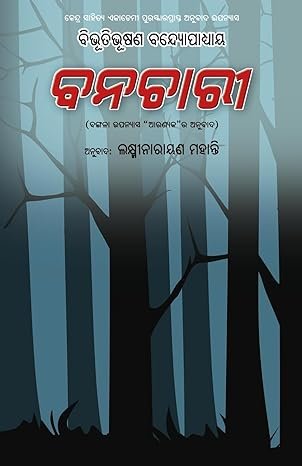
Banachari
₹370.00Aranyak, written in 1939, is a famous Bengali novel by Bibhutibhushan Bandyopadhyay based on his long and arduous years in northern Bihar. There he came into contact with a part of the world that, even now, remains unknown to most of us. ‘Aranyak’ literally means ‘Of the Forest’. This novel explores the simple and heart-warming story of a man who gets a job as an estate manager in Bihar and slowly falls in love with the beautiful and tranquil forest around him. The dichotomy of urban and rural life comes alive, reflecting the great love that human beings and nature can share, one that Bandyopadhyay experienced in his heart. Written by one of the greatest Bengali authors, this haunting novel is rooted in guilt and sadness but also tremendous beauty. Odia author and translator Laxminarayan Mohanty has translated this novel as “Banachari” in Odia. Novel has received the Sahitya Akademi Translation Award in 1990.
-
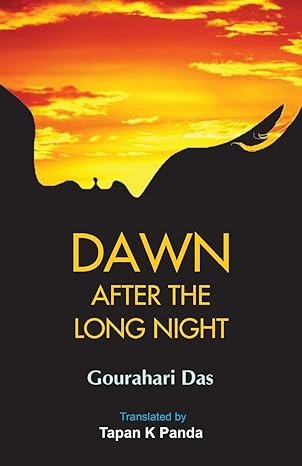
Dawn after the Long Night
₹250.00Translated by Dr. Tapan K. Panda, “Dawn after the Long Night” is English translation of eminent Odia novelist Dr. Gourahari Das’s powerful and popular novel “Eithu Arambha”. The novel portrays the struggle of a woman who didn’t give up despite all the difficulties in life. Urbashi, the protagonist of the story, is a bold character and sets an example for the other women in society to fight back despite all odds. The novel depicts the pain, suffering, and agony that a woman goes through when rejected by her near and dear ones. This is where we learn a lesson. Pain is to be expected, courage to be welcomed, and no choice but to endure. There is no other way than to renounce self-doubt. In this male-dominated society, fighting back and surviving is an arduous task, but nothing is impossible when you get the support of a companion like Pulak. You will never feel alone when you run down the stairs of loneliness and have a faithful companion.
-
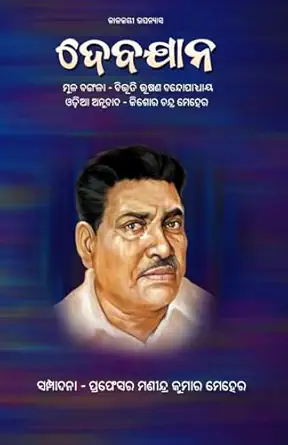
Debajana
₹350.00କଥା ପ୍ରସଙ୍ଗରେ ଏକଦା ମୁଁ ବାପାଙ୍କୁ ବିନମ୍ର ଅନୁରୋଧ କରିଥିଲି ବିଭୂତି ଭୂଷଣଙ୍କ ‘ଦେବଯାନ’ ନାମକ ଉପନ୍ୟାସଟିକୁ ଅନୁବାଦ କରିବା ନିମିତ୍ତ । ସେ ତାଙ୍କର ଏହି ଗେହ୍ଲା ପୁତ୍ରଟିର କଥା ରକ୍ଷାକରି ଗ୍ରୀଷ୍ମକାଳର ଦ୍ୱିପ୍ରହର ବେଳରେ ଧ୍ୟାନସ୍ଥ ହୋଇ ଅନୁବାଦ କରୁଥିଲେ ‘ଦେବଯାନ’ ଉପନ୍ୟାସଟିକୁ ।
ଅନୁବାଦ ଅଳ୍ପଦିନ ମଧ୍ୟରେ ଶେଷ ହୋଇଯାଇଥିଲା । କିନ୍ତୁ ବାପାଙ୍କ ଆୟୁଷ ନଥିଲା ସୁଦୀର୍ଘକାଳ । ମୁଁ ଆନ୍ତରିକ ଭାବରେ ଚାହୁଁଥିଲି ଯେ ବାପାଙ୍କ ଜୀବିତାବସ୍ଥାରେ ଏହା ପ୍ରକାଶିତ ହେଉ । ମାତ୍ର ମୋ ଇଚ୍ଛା ଇଚ୍ଛାମୟଙ୍କ ଦ୍ୱାରା ଗୃହୀତ ହୋଇନଥିଲା । ଉପନ୍ୟାସଟିକୁ ପାଠକରିବା ପାଇଁ ବାପା ମୋତେ ବାରମ୍ବାର ମନେ ପକାଇଦିଅନ୍ତି । ଉପନ୍ୟାସଟିକୁ ଯେତେବେେଳେ ପାଠକଲି ସ୍ତମ୍ଭୀଭୂତ ହୋଇ ରହିଯାଇଥିଲି ମୁଁ । ଏହାର ବିଷୟବସ୍ତୁ ହେଉଛି ମୃତ୍ୟୁ ପରବର୍ତ୍ତୀ ଜୀବନର ବିଭିନ୍ନ ସ୍ତରର ବୈଚିତ୍ର]୍ୟପୂର୍ଣ୍ଣ ଅନୁଭୂତି । ବିଭୂତି ଭୂଷଣ ବନ୍ଦୋପଧ୍ୟାୟ ଏହି ଦୃଶ୍ୟମାନ ଜଗତର ଅନ୍ତରାଳରେ ରହିଥିବା ଅଦୃଶ୍ୟ ଜଗତ ଉପରେ ଆସ୍ଥାଶୀଳ ନଥିଲେ, ଏପରି ନୂତନ କଳ୍ପନାର ଡେଣା ତାଙ୍କ ସ୍ରଷ୍ଟାମାନସରେ ମେଲିଯାଇନଥା’ନ୍ତା । ତେବେ ସେ ଯାହା ହେଉନା କାହିଁକି ବିଭୂତି ଭୂଷଣଙ୍କ ‘ଦେବଯାନ’ ଏ କ୍ଷେତ୍ରରେ ପ୍ରତ୍ୟେକଟି ପାଠକଙ୍କ ନିମିତ୍ତ ଯେ ନେଇଆସିବ ଏକ ନୂତନ ଆହ୍ୱାନ ଓ ଆକର୍ଷଣ ଏଥିରେ ଦ୍ୱିମତ ନାହିଁ । ସାହିତ୍ୟିକ, ମନସ୍ତାତ୍ତ୍ୱିକ, ବୈଜ୍ଞାନିକ, ପାରଲୌକିକ ଏ ସବୁ ଦୃଷ୍ଟିରୁ ଉପନ୍ୟାସଟିର କଳାତ୍ମକ ସାଫଲ୍ୟ ଯେ ଅସାମାନ୍ୟ ଏହା ଯେକୌଣସି ଅନ୍ତର୍ଦୃଷ୍ଟି ସମ୍ପନ୍ନ ପାଠକ ଅନୁଭବ କରିପାରିବେ ନିଶ୍ଚୟ ।
—ମଣୀନ୍ଦ୍ର କୁମାର ମେହେର
-
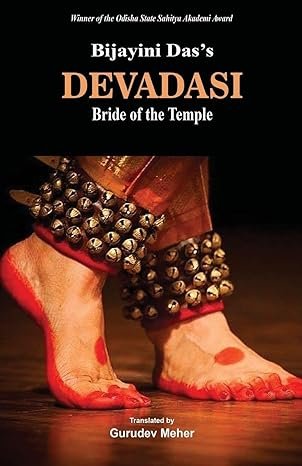
Devadasi
₹400.00A dancer’s devotion, a daughter’s defiance-faith and tradition tested across generations…
In the sacred city of Puri, temple dancer Mukta has devoted her life to Lord Jagannath, offering her art as worship. Yet as age weaves silver into her hair, Mukta is summoned to perform the grand Badasinghara dance-a divine honour that stirs questions of legacy and faith. Her world soon unravels: forbidden desires, miraculous revelations, and royal edicts threaten the fragile devadasi tradition. Amid scandal and loss, Mukta entrusts her hopes to Maya, a child destined to inherit both devotion and defiance. Years later, Maya’s voice rises against exploitation, seeking justice while preserving her mother’s sacred art. Spanning generations of devotion and betrayal, Devadasi is a powerful tale of faith, resilience, and the struggle to uphold tradition in the face of oppression.
Original Odia novel is the winner of the Odisha Sahitya Akademi award.
-
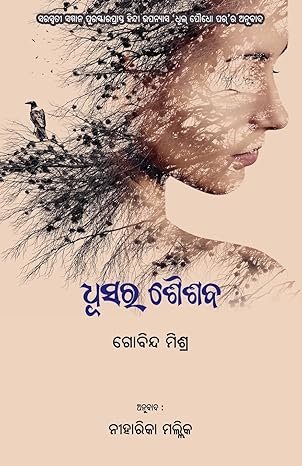
Dhusara Saisaba
₹300.00ଗୋବିନ୍ଦ ମିଶ୍ର କେବଳ ଆଧୁନିକ ହିନ୍ଦୀ ସାହିତ୍ୟର ନୁହନ୍ତି, ସମସାମୟିକ ଭାରତୀୟ ସାହିତ୍ୟର ଏକ ମୁର୍ଦ୍ଧନ୍ୟ ଓ ବଳିଷ୍ଠ ସ୍ୱର । ଦୀର୍ଘ ଛଅ ଦଶନ୍ଧିରୁ ଅଧିକ କାଳ ଧରି ସେ ସାହିତ୍ୟ ସାଧନାରେ ନିମଗ୍ନ । ଉଚ୍ଚ ପ୍ରଶାସନିକ ପଦପଦବୀରେ ରହିସୁଦ୍ଧା ଚିନ୍ତା ଓ ଚେତନାରେ ସେ ସଦାବେଳେ ମାଟିମନସ୍କ ଓ ସାମାଜିକ ସତ୍ୟାନୁସନ୍ଧାନୀ । ତାହା ତାଙ୍କର ଗଳ୍ପ ଓ ଉପନ୍ୟାସ ଉଭୟରେ ବାରମ୍ବାର ପାଠକମାନେ ଦେଖିବାକୁ ପାଇଥାନ୍ତି ।୧୯୬୦ ଦଶକ ବେଳକୁ ହିନ୍ଦୀ ସାହିତ୍ୟରେ ଯେଉଁ ନୂଆ ପରୀକ୍ଷାନିରୀକ୍ଷା ଆରମ୍ଭ ହୋଇଥିଲା, ସେଥିରେ ପରମ୍ପରାବାଦୀଙ୍କ ବିରୁଦ୍ଧରେ ‘ନୟୀ କହାନୀ’ ଆନ୍ଦୋଳନର ପ୍ରବକ୍ତାମାନେ ଦୃଢ଼ ସ୍ୱର ଉତ୍ତୋଳନ କରିଥିଲେ ।
ଆଲୋଚିତ ଉପନ୍ୟାସ ‘ଧୂଲ୍ ପୌଧୋଁ ପର’ ସମ୍ପୂର୍ଣ୍ଣ ରୂପେ ଏକ ପରୀକ୍ଷାନିରୀକ୍ଷାଧର୍ମୀ ସାମାଜିକ- ମନସ୍ତାତ୍ତ୍ୱିକ ଉପନ୍ୟାସ ଯେଉଁଥିରେ ଜଣେ ନାରୀର ଏକକ ସଂଗ୍ରାମକୁ ଅତି ନିଖୁଣ ଭାବେ ଚିତ୍ରିତ କରାଯାଇଛି । ନିଜ ସହ ଜଣେ ସଂଘର୍ଷ କରୁଥିବା ନାରୀ ନିଜ ପରିବାର ଓ ସମାଜ ସହ ଯେତେବେଳେ ସାମ୍]ନା କରେ, ସେ ସଂଘର୍ଷ କରେ, ତା’ସହିତ କେହି ସହଯୋଦ୍ଧା ନଥାନ୍ତି । ଏପରିକି ସମୟ ମଧ୍ୟ ହାତ ଛାଡ଼ିଦିଏ । ସ୍ଥାନ, କାଳ ଓ ପାତ୍ର ଏକ ଚକ୍ରବ୍ୟୂହ ରଚନା କରନ୍ତି ଓ ନିଷ୍ପାପ ଅଭିମନ୍ୟୁଟି ଯୁଦ୍ଧ କରିଚାଲେ । କିନ୍ତୁ ଏ ଯୁଦ୍ଧରେ ଅଭିମନ୍ୟୁ ସପ୍ତରଥୀଙ୍କ ଦ୍ୱାରା ନିପାତ ହୁଏନାହିଁ । ବରଂ ସେ ସମୟ ଓ ସମାଜ ନିକଟରେ ନିଜର ଯଥାର୍ଥ୍ୟ ପ୍ରତିପାଦନ କରେ । ସବୁ ସିଦ୍ଧି ପାଇଁ ଯେପରି ସାଧନା କରିବାକୁ ପଡ଼ିଥାଏ, ସ୍ୱାର୍ଥକୁ ଜଳାଞ୍ଜଳି ଦେବାକୁ ପଡ଼ିଥାଏ ତାହା ହିଁ ଘଟିଛି ଏ ଉପନ୍ୟାସର ନାରୀଟି କ୍ଷେତ୍ରରେ । ସେ ପ୍ରମାଣିତ କରିଛି, ସେ ଅବଳା ନୁହେଁ, ତା’ର ମଧ୍ୟ ପ୍ରତିବାଦ କରିବାର ଅଧିକାର ଅଛି । ସେଇ ଅଧିକାର ବଳରେ ସେ ପରିବାରକୁ, ସମାଜକୁ ବଦଳାଇଛି । ବଦଳାଇ ଦେଇଛି ନାରୀ- ପୁରୁଷ ମଧ୍ୟରେ ଥିବା ପାରମ୍ପରିକ ସମ୍ପର୍କ ଓ ସଂଜ୍ଞାକୁ । ଶିକ୍ଷା ଠାରୁ ଆରମ୍ଭ କରି ସାମାଜିକ ସଂସ୍କାରରେ ଥିବା କଳ୍ମଷକୁ ।
-

Doctor Deb
₹180.00ଔପନ୍ୟାସିକା ଅମୃତା ପ୍ରୀତମ ସ୍ୱୀକାର କରିଛନ୍ତି ଯେ ତାଙ୍କଠାରୁ ବୟସରେ ଦଶବର୍ଷ ସାନ ନିଜ ପ୍ରେମିକ ଇମ୍ରୋଜ ତାଙ୍କର ଡାକ୍ତର ଦେବ ଏବଂ ସେ ନିଜେ ମମତା । ତାଙ୍କ ଜୀବନର ବାସ୍ତବ କାହାଣୀ ଏହି ଉପନ୍ୟାସରେ ଚିତ୍ରିତ । ସାମାଜିକ ପ୍ରତିଷ୍ଠା ଏବଂ ସ୍ଥିତିକୁ ବିଚାର କରି ମମତାଙ୍କ ପିତା ଜଗଦୀଶଙ୍କ ସହିତ ତାଙ୍କର ବିବାହ ଦିଅନ୍ତି, କେବଳ ତାଙ୍କ ଇଚ୍ଛା ବିରୁଦ୍ଧରେ । ମମତାଙ୍କ ଅନ୍ୟତ୍ର ବିବାହ ପରେ ଡାକ୍ତର ଦେବ ସାରା ଜୀବନ ପାଇଁ ଅବିବାହିତ ଥାଇ ରୋଗୀଙ୍କ ସେବା ଶୁଶ୍ରୂଷାରେ ନିଜକୁ ନିୟୋଜିତ କରିଛନ୍ତି । ଏପରିକି ସାମ୍ପ୍ରଦାୟିକ ହିନ୍ଦୁ ଓ ମୁସଲମାନ ଦଙ୍ଗା ସମୟରେ ନାନା ଘାତ ପ୍ରତିଘାତ ମଧ୍ୟରେ ନିଜ ଜୀବନକୁ ବିପନ୍ନ କରି ରୋଗୀ ସେବାକୁ ନିଜର ପ୍ରଥମ କର୍ତ୍ତବ୍ୟ ରୂପେ ଗ୍ରହଣ କରିଛନ୍ତି । ଏ ସମୟରେ ସେ ହିନ୍ଦୁ ମୁସଲମାନମାନଙ୍କ ମଧ୍ୟରେ ଅପୂର୍ବ ଭାତୃତ୍ଵଭାବ ସୃଷ୍ଟି କରିଛନ୍ତି । ସମାଜ ପାଇଁ ସମର୍ପିତ ଜୀବନ ତାଙ୍କର ହୋଇଛି ସେବାମୟ ତଥା କବିତ୍ଵମୟ । ଶେଷରେ ମମତା ଘଟଣାକ୍ରମରେ ମନୁ ଓ ରଞ୍ଜୁ ସହିତ ନିଜର କର୍କଟ ରୋଗର ସଫଳ ଚିକିତ୍ସା ପାଇଁ ଦିଲ୍ଲୀରୁ ବିହାରର ଏକ ଅନୁନ୍ନତ ଅଞ୍ଚଳରେ ରୋଗୀଙ୍କ ସେବା କରିବାକୁ ନୂତନ ନିର୍ମିତ ଡାକ୍ତରଖାନାର ମୁଖ୍ୟ ଡାକ୍ତର ଦେବଙ୍କ ନିକଟକୁ ଆସନ୍ତି । ଉପନ୍ୟାସର ଅନ୍ତିମ ପର୍ବରେ ହୁଏ ଆକସ୍ମିକ ମିଳନ, ଯାହା ସଂପୂର୍ଣ୍ଣ ଆତ୍ମିକ ଓ କରୁଣାକ୍ତ । ପଛେ ପଛେ ମନୁ,ରଞ୍ଜୁ,ମଧୁ ଆସି ମିଳନ ପର୍ବକୁ ଅଧିକ ସାଫଲ୍ୟ ମଣ୍ଡିତ କରନ୍ତି । କର୍କଟ ରୋଗାକ୍ରାନ୍ତା ମମତା ବହୁଦିନର ପ୍ରତୀକ୍ଷିତ ପ୍ରେମିକ ଡକ୍ଟର ଦେବଙ୍କ କୋଳରେ ଶେଷନିଦ୍ରା ନିଅନ୍ତି ।
-
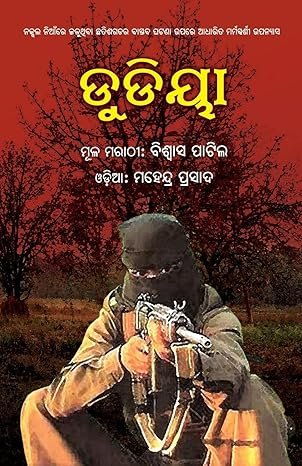
Dudiya
₹210.00‘ଡୁଡ଼ିୟା’ ଉପନ୍ୟାସଟି ଚିରାଚରିତ କାହାଣୀ ଉପସ୍ଥାପନା ଶୈଳୀକୁ ଅତିକ୍ରମ କରି ଅଳ୍ପ ପୃଷ୍ଠାରେ ମାଓବାଦ ସମସ୍ୟାର ଅନାସକ୍ତ ବ୍ୟବଚ୍ଛେଦ ଉପସ୍ଥାପନ କରିଛି। ଜଣେ ନିର୍ବାଚନ ପର୍ଯ୍ୟବେକ୍ଷକଙ୍କ ଦୃଷ୍ଟିରୁ ‘ଡୁଡ଼ିୟା’ ରଚିତ, ଯେଉଁଥିରେ ଛତିଶଗଡ଼ର ଆଦିବାସୀ ଅଧ୍ୟୁଷିତ ଜଙ୍ଗଲର ଯୁବତୀ ‘ଡୁଡ଼ିୟା’ଙ୍କୁ କେନ୍ଦ୍ରରେ ରଖି ଏକାଧିକ ହୃଦୟବିଦାରକ ଘଟଣାବଳୀ ଗତିଶୀଳ ହୋଇଛି। ସରକାରୀ ଅଧିକାରୀଙ୍କ ନିରଙ୍କୁଶ ଶୋଷଣ ଓ ନିର୍ଯାତନାରେ ଅତିଷ୍ଠ ହୋଇ ନିରୀହ ଆଦିବାସୀଙ୍କୁ ନକ୍ସଲଙ୍କୁ ତ୍ରାଣକର୍ତ୍ତା ଭାବେ ଗ୍ରହଣ କରିବାକୁ ପଡ଼ିଛି। ପରେ ସେହି ତ୍ରାଣକର୍ତ୍ତାମାନେ ଉତ୍ପୀଡ଼କର ଭୂମିକା ଗ୍ରହଣ କରିଛନ୍ତି। ଘଟଣାକ୍ରମେ ମୁଖ୍ୟ ଚରିତ୍ର ‘ଡୁଡ଼ିୟା’ଙ୍କ ବଡ଼ ଭାଇ ପୁଲିସରେ ଯୋଗ ଦେଇଛନ୍ତି। ଅପରପକ୍ଷେ ‘ଡୁଡ଼ିୟା’ ନିଜ ସମ୍ପ୍ରଦାୟର ଘୃଣ୍ୟ ପ୍ରଥାରୁ ବର୍ତ୍ତିବା ପାଇଁ ମାଓବାଦ ଗୋଷ୍ଠୀରେ ସାମିଲ ହୋଇଛନ୍ତି। ସେଠାରେ ସେ ଶିକ୍ଷା ଓ ଆତ୍ମବିଶ୍ଵାସ ପାଇଛନ୍ତି ସତ ହେଲେ ମାଓ ନେତାଙ୍କ ଯୌନ ଶୋଷଣ ତଥା ତାଙ୍କୁ ହତ୍ୟାକାରୀରେ ପରିଣତ କରାଯିବା ତାଙ୍କୁ ପୁଣି ଥରେ ମାଓବାଦ ପ୍ରତି ବିତୃଷ୍ଣ କରିଛି। ସେ ସେଠାରୁ ମୁକୁଳି ଆସି ପୁଲିସ ନିକଟରେ ଆତ୍ମସମର୍ପଣ କରିଛନ୍ତି ଏବଂ ତାଙ୍କର ନୂଆ ପାରିବାରିକ ଜୀବନ ଆରମ୍ଭ ହୋଇଛି। ଶେଷରେ ମାଓବାଦୀ ଓ ସରକାରଙ୍କ ଛକାପଞ୍ଛା ମଧ୍ୟରେ ନିର୍ବାଚନ ଶାନ୍ତିପୂର୍ଣ୍ଣ ଭାବେ ଶେଷ ହେଉଛି। କିନ୍ତୁ ଆଉ ଏକ ବିସ୍ଫୋରଣ ‘ଡୁଡ଼ିୟା’ଙ୍କ ମନର ଗୂଢ଼ ପ୍ରଶ୍ନକୁ ଆହୁରି ଶକ୍ତିଶାଳୀ ରୂପେ ଉପସ୍ଥାପିତ କରିଛି ମାଓ-ପୁଲିସ ଲଢ଼େଇରେ ଆଉ କେତେ ନିରୀହ ଆଦିବାସୀ ବଳି ପଡ଼ିବେ?
-
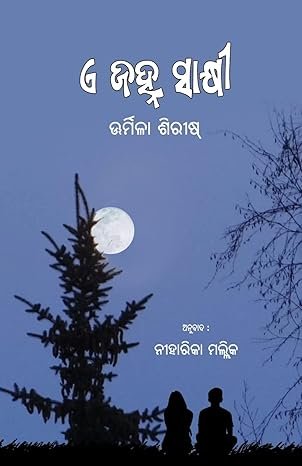
E Janha Sakshi (ଏ ଜହ୍ନ ସାକ୍ଷୀ)
₹200.00ଚିରାଚରିତ ପ୍ରେମକାହାଣୀ, ନାରୀ ସଂଘର୍ଷ ଓ ନାରୀର ଅବଳା ଦୁର୍ବଳା ଚିତ୍ରଠୁ କିଛି ଭିନ୍ନ କଥାର ଉଦାହରଣ ଦିଏ ଉପନ୍ୟାସ ‘ଚାନ୍ଦ୍ ଗବାହ୍]’ ବା ‘ଏ ଜହ୍ନ ସାକ୍ଷୀ’ । କେବଳ ପ୍ରେମ ସଂଘର୍ଷ ଦୃଷ୍ଟିରୁ ନୁହଁ ବରଂ ଅନେକ ଦିଗରୁ ଏ ଉପନ୍ୟାସଟି ସ୍ୱତନ୍ତ୍ର ମନେହୁଏ । କାହାଣୀଟିର କେନ୍ଦ୍ରରେ ଯଦିଓ ନାରୀ, ପ୍ରେମ ଓ ପରିବାର ରହିଛି କିନ୍ତୁ ଏହାର ଚାରିପାଖରେ ଅନେକଗୁଡ଼ିଏ ସମ୍ବେଦନଶୀଳ ଅନୁଭବକୁ ଔପନ୍ୟାସିକା ସୁନ୍ଦର ଭାବରେ ଗଢ଼ି ତୋଳିଛନ୍ତି । ବାଲ୍ୟାବସ୍ଥାରୁ ନେଇ ଯୌବନ, ଏପରିକି ବୟସର ଏକ ନିର୍ଦ୍ଦିଷ୍ଟ ବିନ୍ଦୁରେ ପହଞ୍ଚିବା ପରେ ମଧ୍ୟ ନାରୀକୁ ନିଜ ଇଚ୍ଛାରେ ବଞ୍ଚିବାର କି ସ୍ୱପ୍ନ ଦେଖିବାର ଅଧିକାର ନଥାଏ । ପ୍ରେମ ତ ସତେ ଯେପରି ତା’ପାଇଁ ଏକ ଗର୍ହିତ ଶବ୍ଦ । କିନ୍ତୁ ଉପନ୍ୟାସଟିରେ ଲେଖିକା କେବଳ ନାରୀର ପ୍ରେମପ୍ରଣୟ, ମାନସିକ ଯାତନା ଅବା ସଂଘର୍ଷର କାହାଣୀକୁ ବର୍ଣ୍ଣନା କରି ନାହାଁନ୍ତି, ବରଂ ସେ ନାରୀକୁ ସ୍ୱାଭିମାନର ସହ ବଞ୍ଚିବାର କଳା ଶିଖାଇଛନ୍ତି ।
ନାରୀ ନିଜର ରୁଚି, ପସନ୍ଦ ନା ପସନ୍ଦ ଓ ସ୍ୱପ୍ନକୁ ବଳିଦେଇ କେବଳ ପରିବାର ଓ ସମାଜର ଇଙ୍ଗିତରେ କାହିଁକି ପରିଚାଳିତ ହେବ? ତାହା ପୁଣି ସେଇ ପରିବାର ଓ ସମାଜ ପାଇଁ ଯିଏ ନାରୀଠାରୁ କେବଳ ତ୍ୟାଗ ଓ ସହନଶୀଳତା ଆଶା ରଖେ ଏବଂ ପ୍ରତିଦାନରେ କେବଳ ତିରସ୍କାର ଓ ସମାଲୋଚନା ହିଁ କରିଥାଏ । ଉପନ୍ୟାସଟିରେ ନାରୀର ଏକ ଭିନ୍ନ ଦିଗକୁ ପାଠକଙ୍କ ସାମ୍ନାରେ ଉପସ୍ଥାପିତ କରାଯାଇଛି । ଗୋଟେ ପଟେ ନିଜ ଇଚ୍ଛାରେ ନିିଜ ରୁଚିରେ ବଞ୍ଚିବାର ଏକ ନିର୍ଭିକ ନିଷ୍ପତ୍ତି ନେଉଥିବା ‘ଦିଶା’ ଏବଂ ଅନ୍ୟପଟେ ତାର ସମସ୍ତ କାର୍ଯ୍ୟକୁ ବିରୋଧ କରି ସବୁବେଳେ ସମାଲୋଚନା ନିନ୍ଦା କରିଆସୁଥିବା ତା’ ପରିବାର ଆତ୍ମୀୟସ୍ୱଜନ । ମାଆର ସ୍ୱାଧୀନ ଭାବେ କିଛି କରିବାର ପ୍ରୟାସକୁ ଦୁଇଝିଅ ମଧ୍ୟ ସହଜରେ ଗ୍ରହଣ କରିପାରିନାହାନ୍ତି ଏବଂ ଏଥିପାଇଁ ସେମାନେ ମାଆଙ୍କୁ ଅନେକ କଟୁକଥା କହିବାକୁ ମଧ୍ୟ ପଛେଇନାହାନ୍ତି । ଏଥିରେ ଦୁଇ ପିଢ଼ିଙ୍କ ମଧ୍ୟରେ ଥିବା ଭାବନାଗତ ଅସାମଞ୍ଜସ୍ୟତା ଖୁବ୍ ନିଖୁଣ ଭାବରେ ବର୍ଣ୍ଣନା କରିବାରେ ଲେଖିକା ସଫଳ ହୋଇଛନ୍ତି ।
-

Haluka Manisha
₹360.00ଜୀବନଟା କାହା ପାଇଁ କେମିତି । ଜଣକ ପାଇଁ ଜୀବନ ପକ୍ଷୀର ପର ପରି ହାଲୁକା ତ ଆଉ କାହା ପାଇଁ ଗୋଟେ ଓଜନିଆ ପଥର ପରି ବୋଝ । କୁନ୍ଦେରାଙ୍କ ଦୃଷ୍ଟିରେ ଆମର ବୋଝ ଯେତିକି ଅଧିକ ହୁଏ, ମାଟି ସହିତ ଜୀବନ ସେତିକି ନିବିଡ଼ ହୁଏ । ଅପରପକ୍ଷେ ବୋଝ ନଥିଲେ ମଣିଷର ଜୀବନ ପବନ ପରି ହାଲୁକା ହେଇଯାଏ । ଉପରକୁ ଉଠିଉଠିକା ଯାଏ ଆଉ ମଣିଷର ଜୀବନ କ୍ରମଶଃ ଅର୍ଦ୍ଧସତ୍ୟ ଓ ନଗଣ୍ୟ ହେଇଯାଏ । ତେବେ ଆମେ କୋଉଟାକୁ ବାଛିବା କଥା- ହାଲୁକା ନା ଓଜନ? ତାଙ୍କର ବହୁ ଚର୍ଚ୍ଚିତ ଉପନ୍ୟାସ ‘The Unbearable Lightness of Being’ ରେ ଏପରି ଏକ ଜୀବନ ଦର୍ଶନକୁ ଏକ ଭିନ୍ନ ଶୈଳୀରେ ଅବତାରଣା କରାଯାଇଛି ।
“ହାଲୁକା ମଣିଷ’- ଏହି ବହିଟିର ଓଡ଼ିଆ ଅନୁବାଦ ଆମର ଓଡ଼ିଆ ପାଠକଙ୍କ ଉଦ୍ଦେଶ୍ୟରେ ଏକ ବୌଦ୍ଧିକ ପ୍ରୟାସ ମାତ୍ର ।