-
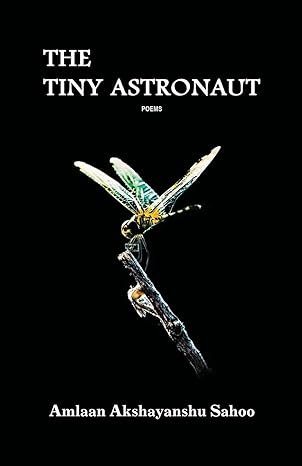
The Tiny Astronaut
₹180.00This book is
a hopeful song of voices new
yet ancient in their inspiration
a bold stroke of colours different
yet confident in their adoption
stringing together poems
born of ripples
on the lake of life
evoking the
subtle complexity
unabashed versatility
blemished beauty
of being
human.
-
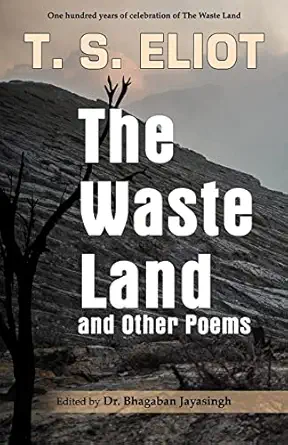
The Waste Land and Other Poems
₹160.00Widely regarded as “The Poem of the Century, “The Waste Land is an “infinitely mysterious poem,” which, according to John Xiron Cooper, “is a poem we have learned to handle, but not a poem, we have tamed.” It is true that publication of the poem marked a watershed moment in the history of British poetry. Soon after its appearance, first in the inaugural volume of The Criterion (October 1922), a quarterly British literary magazine, founded and edited by Eliot himself, in London, and next in the American publication The Dial in New York (November 1922), the poem came to be regarded as one of the seminal works of modernist poetry, and Eliot as a very important literary figure of the time. Eliot earned the Dial Award of $2,000.
It is important to note that The Waste Land has no definite structure. It is a poem that does not have a plot. Nor does it have a beginning nor an end. The poetic fragments mirror the fragmentation of life in the cities of Europe, devastated by World War I. It can be termed as “a heap of broken images,” a poem, as asserted by Harold Munro, “a potpourri of descriptions and episodes.” Since the poem is based on Tiresias’s visions which come to him in spurts, The Waste Land seems to be fragmented or disjointed. The reader is expected to string all these fragments together to derive meaning.
The Waste Land is also a multi-voiced poem, it has a multitude of voices, voices spoken in Greek, Latin, Sanskrit, German, and Italian. It is also richly allusive and polyvocal. It alludes to several texts such as Ovid’s Metamorphoses, Dante’s Divine Comedy, Baudelaire’s Les Fleurs du mal, Shakespeare, Buddhism, Hindu Upanishad and others. The mind-boggling allusiveness and profundity of the text just went over the heads of his readers, who were initially baffled by a string of quotations and reference to a variety of sources in multiple languages like Greek, Latin, French, German, Italian and Sanskrit. They could hardly grasp Eliot’s ‘aesthetics’ of fragmentation and juxtaposition, which can be taken as an inextricable part of the poem’s symbolic significance.
The Waste Land is basically a peopled landscape; many characters, several of whom are women, roam around freely in the wasteland. It is interesting to note that “all the women are one woman, and the two sexes meet in Tiresias.” All these women have their own individual story to narrate, their own voice for people to listen to. Such women like Marie, a niece and confidante of Empress Elisabeth of Austria, Belladonna, the Lady of the Rocks, Lil, the mother-of-five whose unhappy marriage is discussed by her friend in a London pub, the fortune-teller Madame Sosostris, the typist girl, who is “bored and tired,” the nymphs, who happened to be the friends of the loitering heirs of city directors vary from each other in terms of their age, class, educational level or socio-economic status.
The Waste Land is fragmented into five sections: ‘The Burial of the Dead, ‘ ‘A Game of Chess’, ‘The Fire Sermon, ‘ ‘Death by Water’ and ‘What the Thunder Said.’
-
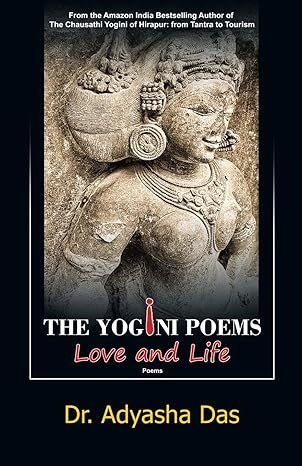
The Yogini Poems: Love and Life
₹250.00This collection of poems is dedicated to the Yoginis the author has met in course of her research and travel. A pronounced sense of sacredness and spirituality characterizes these women of the mystic Yogini cult which venerates the all powerful Divine female figure, the “Yogini”. The enigma of these tantric goddesses intrigued the author. These poems are a tribute to the forgotten Yoginis and are an attempt to write about the silence, light and space in the life and love meanderings of the Yogini.
-
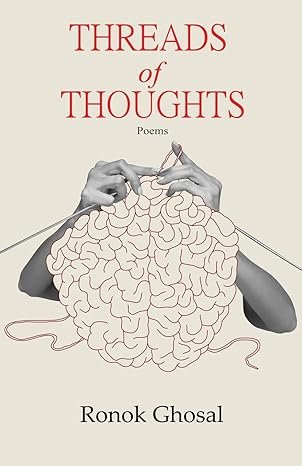
Threads of Thoughts
₹250.00Welcome to my poem collection, a journey through the myriad landscapes of emotion and introspection. It helps me to explore and heal by articulating the intricacies of life through my poetry. I am thrilled to share this exploration with you through this book.The poems have been written over the past seven years and translated during the past year. It reflects my growth as a person and a poet. Each poem tries to capture the essence of my feelings and reflections during a point in time. From the quiet whispers of nature to the loud clamor of the human heart, these poems span a wide range of themes, including love, loss, hope, introspection, and celebration of life.In “Boundaries of The Mind,” I delve into the struggle for self-realization and the journey from despair to liberation. “The Man in My Lake” reflects on betrayal and the swift changes that can potentially alter one’s core values. “Ode to Chairs” personifies an inanimate object, evoking themes of memory, neglect, and the passage of time. “Mother” portrays the essence of motherhood as a gift of immense love and sacrifice. “Lost Echoes of the Earth” laments the loss of connection to nature in the face of modern progress.I have translated a few poems into Hindi and Bangla to reach my extended family who live in various states of India. The translation took much longer than initially anticipated and turned out to be quite a learning experience for me. I have also translated some of the poems into Latin to nurture classical antiquity. I hope that readers will be able to connect with the emotions portrayed in the translated version.Writing poetry is a deeply personal endeavor, yet it tries to bridge the gap between the writer and the readers. I hope that these poems will not only convey my thoughts and feelings but will also inspire you to reflect on your own.I thank you for embarking on this poetic journey with me. Your readership brings these words to life, and for that, I am profoundly grateful.With heartfelt appreciation,
–-Ronok Ghosal
-
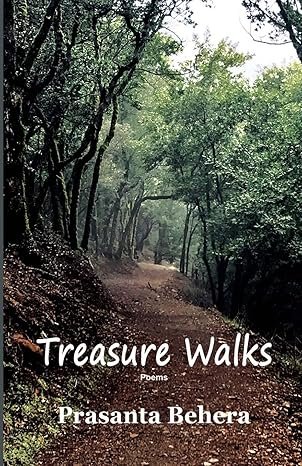
Treasure Walks
₹250.00Walks that remain in the heart remind us of memories and connections allows us to carry our journey from today to tomorrow. In many such walks (or hikes) alone, I have started to observe little things unnoticed before. I have captured some of those memories, observations and conscious thoughts as “Treasure Walks”. May you find your own reflective thoughts in your walks.
-

Truck Dalare Sanatana
₹150.00Sanatana is not a name or a character; he is the embodiment of a struggling humanity. He is the man who survives defeating all calamities and crisis. He is the bravest Odia man who faced severest of the famines and fiercest of the cyclones. He is the hero who writes history in his own blood. He is the metaphoric representation of peasants and labourers. He is the timeless fighter in Prasanna Kumar Mishra’s poetry. Truck Dalare Sanatana ( Sanatana in a truck’s trolly) is a collection of poem which was written with the blood and sweat of the common man.
-
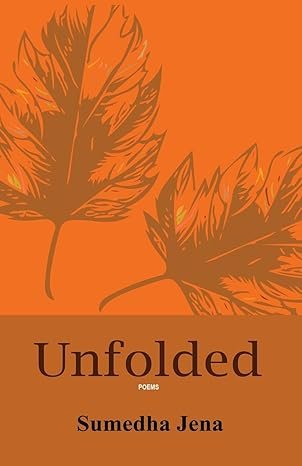
Unfolded
₹225.00I chose the title of this book as, “Unfolded,” because from a reader’s point of view it’s a series of events from life that are slowly unfolding over a period of time. I went through a temporary depressive arc early into entering university and therefore lacked the motivation to write, eventually falling into a rut. This feeling changed this year, as I encountered new people in my life where we shared new experiences. Because of this, I was able to come out of my shell once again and really begin to live life the way it was meant to be lived, as opposed to constantly living in a bubble of worry. But nevertheless, once I re-entered the proper headspace to write, I was unable to stop myself. I came to the conclusion that I would be reflecting back on several different eras and circumstances in my life, from the perspective of someone who has grown up in the past couple of years. In this book I write about experiences filled with love, hatred, revenge, peace, fear, and hope, so I can look back at them from a place of serenity and appreciate how far I have come from them. –Sumedha Jena
The crux of her writings has been to explore varied phases of experiences she comes across ‘within’ and ‘even without’ herself on shifting from a confined family life to the ethos of a friendly yet meaningful social scenario wherein she achieves an identity of her own. There is a happy acceptance of reality as she sums up:
“carrying a part of every soul who has touched my life woven into the fabric of my being” (poem 40). I congratulate her for such an endeavor and wish her a prosperous career as a poet. — Dr Satya Shankar Mishra, Former Professor of English and Former Director, I.A.S. Coaching Centre, Govt.of Odisha, India
-
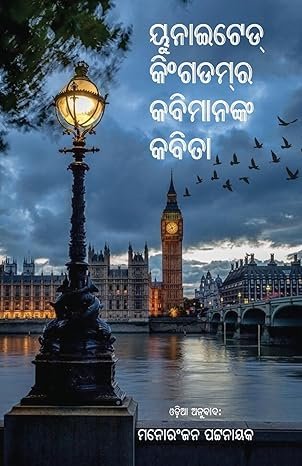
United Kingdom ra kabimanankara kabita
₹325.00ଇଂରେଜୀ ଭାଷାର ଇତିହାସରେ, ପୁରୁଣା ଇଂରେଜୀ ସାହିତ୍ୟ (ପ୍ରାୟ ୪୫୦-୧୦୬୬), ମଧ୍ୟ ଇଂରେଜୀ ସାହିତ୍ୟ (୧୦୬୬-୧୫୦୦) ଏବଂ ଇଂରେଜୀ ପୁନର୍ଜାଗରଣ (୧୫୦୦-୧୬୬୦) ତାପରେ ରହିଛି ପୁନର୍ସ୍ଥାପନା ଯୁଗ (୧୬୬୦-୧୭୦୦), ଅଷ୍ଟାଦଶ ଶତାବ୍ଦୀ, ସ୍ୱଚ୍ଛଳତାବାଦ (୧୭୯୮-୧୮୩୭), ଭିକ୍ଟୋରିୟାନ ସାହିତ୍ୟ (୧୮୩୭-୧୯୦୧), ବିଂଶ ଶତାବ୍ଦୀ ଏବଂ ଏକବିଂଶ ଶତାବ୍ଦୀ।
ଏଥିରେ ୬୧ଜଣ କବିଙ୍କର ୧୪୬ଟି ଅନୂଦିତ କବିତା ସନ୍ନିବିଷ୍ଟ ହୋଇଛି। ପ୍ରତ୍ୟେକ କବିଙ୍କର ପରିଚିତ କବିତା ସନ୍ନିବିଷ୍ଟ ହୋଇଛି। ପ୍ରତ୍ୟେକ କବିଙ୍କର ପରିଚିତି ମଧ୍ୟ ଦିଆଯାଇଛି।
-
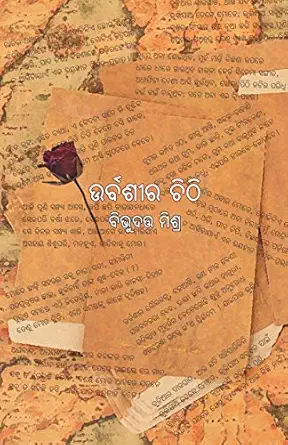
Urbashira Chithi
₹140.00Urbashira Chithi is Bibhudutta Mishra’s first poetry collection which was published in 1961. Written in a lyrical style and full of emotions, each poem in this collection touches reader’s heart. This is one of the few highly romantic poetry collections of Odia poetry.
-
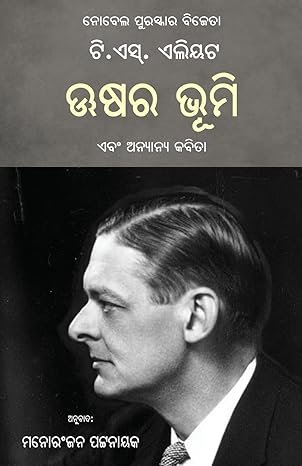
Ushara Bhumi Ebam Anyanya Kabita (TS Eliot)
₹300.00ଓଡ଼ିଆ ହେଉଛି ପ୍ରଥମ ଭାରତୀୟ ଭାଷା ଯେଉଁଥିରେ ପ୍ରଥମେ ଏହା ଅନୁବାଦ କରାଯାଇଥିଲା। ଇଣ୍ଟରନେଟ୍]ରୁ ଦେଖିକରି ଏହା ସ୍ପଷ୍ଟ ହୁଏ ଯେ ୧୯୫୬ ମସିହାରେ, ପ୍ରଶଂସିତ କବି ଓ ଔପନ୍ୟାସିକ ଜ୍ଞାନୀନ୍ଦ୍ର ବର୍ମା ଟି.ଏସ୍].ଏଲିୟଟଙ୍କର ମହାନ ରଚନା ‘ଦି ୱେଷ୍ଟ ଲ୍ୟାଣ୍ଡ’ ସହିତ ଅନ୍ୟ କିଛି କବିତାର ଅନୁବାଦ ସଂଲଗ୍ନ କରି ‘ପୋଡ଼ା ଭୂଇଁ ଓ ଅନ୍ୟାନ୍ୟ କବିତା’ ଶୀର୍ଷକରେ ଅନୁବାଦ କରିଥିଲେ, ଯାହା ପ୍ରଫୁଲ୍ଲଚନ୍ଦ୍ର ଦାସଙ୍କ ଦ୍ୱାରା ପ୍ରକାଶିତ ହୋଇଥିଲା। ଦାସ ଅନୁବାଦ ସମ୍ପର୍କରେ ଏଲିୟଟଙ୍କ ସହିତ ପତ୍ରାଳାପ କରିଥିଲେ ଏବଂ ତାଙ୍କ ସମ୍ମତିରେ ସିଏ ଜ୍ଞାନୀନ୍ଦ୍ର ବର୍ମାଙ୍କୁ ଏଲିୟଟଙ୍କର ପ୍ରମୁଖ କବିତାଗୁଡ଼ିକୁ ଅନୁବାଦ କରିବାକୁ ପ୍ରେରଣା ଦେଇଥିଲେ। ସମସ୍ତ ସମ୍ଭାବନାରେ, ସିଏ ଅନ୍ୟ ଭାରତୀୟ ଭାଷାରେ ଏହାର ଅନୁବାଦ ପାଇଁ କପିରାଇଟ୍ ଅନୁମତି ମଧ୍ୟ ପାଇଥିଲେ। କିନ୍ତୁ ଏହି ପୁସ୍ତକଟି ଏବେ ଉପଲବ୍ଧ ନ ଥିବାରୁ କେତୋଟି କବିତା ଆଉ କେଉଁ କେଉଁ କବିତା ଜ୍ଞାନୀନ୍ଦ୍ର ବର୍ମାଙ୍କ ଦ୍ୱାରା ଅନୂଦିତ ହୋଇ ପ୍ରକାଶ ପାଇଥିଲା, ତାହା ଜଣା ପଡ଼େନି।
୧୯୫୬ ମସିହାରେ ଏହା ଜ୍ଞାନୀନ୍ଦ୍ର ବର୍ମାଙ୍କ ଦ୍ୱାରା ଓଡ଼ିଆରେ ଅନୂଦିତ ହୋଇଥିଲା, ତେବେ ଏହା ପ୍ରକାଶ ପାଇଥିଲା ୧୯୫୭ ମସିହାରେ, ଅର୍ଥାତ୍ ଏହାକୁ ନୋବେଲ୍ ପୁରସ୍କାର ପ୍ରାପ୍ତ ହେବାର ୯ବର୍ଷ ପରେ। ପୁଣି ୨୦୧୯ ମସିହାରେ ଓଡ଼ିଆରେ ଦ୍ୱିତୀୟ ଅନୁବାଦ ପ୍ରକାଶ ପାଇଲା ‘ତ୍ୟକ୍ତ ଉପତ୍ୟକା ଏବଂ ଅନ୍ୟାନ୍ୟ କବିତା’ ନାମରେ ଦତ୍ତାତ୍ରୟ ଦାଶଙ୍କ ଦ୍ୱାରା ଅନୂଦିତ ହୋଇ। ଏଥିରେ ଅନ୍ୟାନ୍ୟ କବିତା ବିଭାଗରେ ମାତ୍ର ୨ଟି କବିତା ରହିଛି।
ମୋ ଦ୍ୱାରା ଓଡ଼ିଆରେ ଅନୁବାଦ କରାଯାଇଥିବା ଏହି ବହିଟିର ନାମ ‘ଦି ୱେଷ୍ଟ ଲ୍ୟାଣ୍ଡ’ର ୫ଟି କବିତାର ଅନୁବାଦ ସହିତ ଅନ୍ୟାନ୍ୟ କବିତା ବିଭାଗରେ ୩୨ଟି ଅନୂଦିତ କବିତା ସ୍ଥାନ ପାଇଛି।
ମୋର ଏହି ଅନୁବାଦଟି ଯଦି ଓଡ଼ିଶାର ସୁଧୀ ପାଠକପାଠିକାମାନଙ୍କର ପସନ୍ଦ ହେବ, ତେବେ ମୋର ଶ୍ରମ ସାର୍ଥକ ହୋଇଛି ବୋଲି ମନେ କରିବି। –ଅନୁବାଦ
-
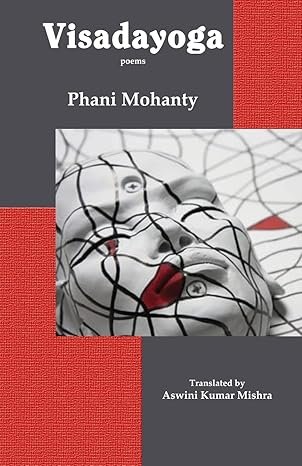
Visadayoga
₹200.00This is the first full-fledged English translation of Odia poet Dr. Phani Mohanty’s Visadayoga incorporating 38 poems published in 1992.His poems would be better if they reach prospective international readers through translations and help shaping a concrete idea on Asian writing focusing India, which naturally rolls down to Odisha. Of late many places in the world have truly become multilingual and multicultural espousing a purpose of this kind. This collection is a tenor to hold on Bhagavad Gita, the philosophy contained therein ascribing melancholy which is till now inaccessible to many. Here, many of the poems are in tune with the same having distinctive originality of their own. The poet is absorbed into the cultural milieu of the Odia race perceptively examining his creativity through it. In his poems the culture specific terms and symbols are close-packed and therefore it became strenuous for me to carry them exactly into an alien language like English. The rhythmical structure vis a vis music of the poems are no less.
-
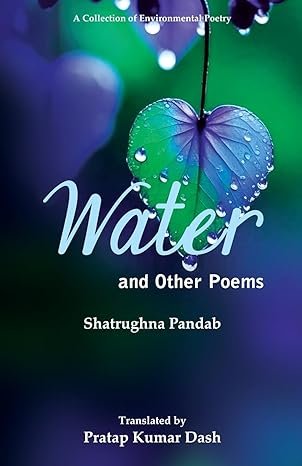
Water and other poems
₹250.00In the twenty-six poems, interestingly there is a multimodal rebellious voice or a sort of outcry advocating for the surrounding environment that has been grossly exploited at the cost of life of millions of plants, trees, birds, animals, the five ethereal elements and the natural habitat. It has gone to such an alarming state that the cosmic powers like the sun, the moon, the seasons and all the gifts of nature have become defunct hinting at the loss of natural traits of human being and sheer destructive consequences of this artificial life. The greedy and ignorant human beings have been destroying the irrecoverable surrounding natural wealth in such a way leading to unspoken disasters. Consequentially, it searches for the dire need of water, wind, food, livelihood and many more things as a part of natural lifestyle and sustainability. What’s more, the denatured human being is in search of the aesthetic notions in every aspect of natural life. In this way, each of the poems carry in them rhetorical questions representing in fact the questions of each of us linked to our survival.