-
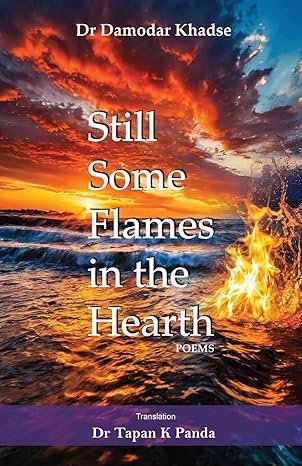
Still Some Flames in the Hearth
₹200.00In this frozen time
the cold freezes the words,
Icy winds extinguish…
all flames,
eyes turn into stone!
Vision is blurred,
Identity is lost,
the freezing hands,
devoid of warmth,
the tongue sticks to the palate,
arrows and spears dissolve
in the winds,
Ice sheets spread out
on relationships,
everything gets frozen within,
no one is visible….
But when human smell hovers
in the deep forests,
a call-out searches for its other end.
With difficulty when one can speak,
someone blows the flames from the hearth,
with closed eyes,
I sit down in front of the hearth,
and think about the conversations,
the flames rise slowly from the hearth.
You drop the silence,
Break your quietude,
In the warmth of the conversations,
the flames always glow in the hearth.
Don’t be wordless ever.
There is still some flame in the hearth.
-
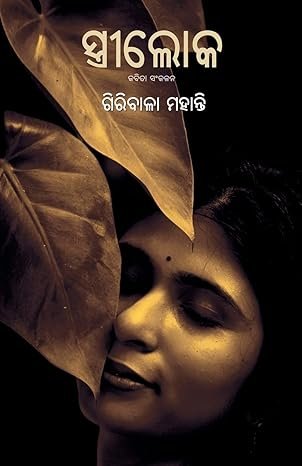
Streeloka
₹180.00କବିତାର କୋମଳ ପୃଥିବୀରେ ଅସହାୟତା ଓ ଆକ୍ରୋଶର ଦୀର୍ଘଶ୍ୱାସ ଟାଣି, ବନ୍ଧୁତ୍ୱ ଓ ସଂପ୍ରୀତିର ଆନନ୍ଦ ଖେଳାଇ ଗୋଟିଏ ଏମିତି ପୃଥିବୀର ଚିତ୍ର ‘ସ୍ତ୍ରୀଲୋକ’ ଦିଏ, ଯେଉଁଠି ବ୍ୟକ୍ତି ସମୂହର ବ୍ୟଞ୍ଜନାରେ ଉତ୍]କୀର୍ଣ; ଯେଉଁଠି ସମକାଳ ସର୍ବକାଳର ବ୍ୟଞ୍ଜନାରେ ମହନୀୟ; ଯେଉଁଠି ବ୍ୟଥା ସହ ଏକୀଭୂତ ସହାନୁଭୂତି ଓ ସୌନ୍ଦର୍ଯ୍ୟାନୁଭୂତି ସହ ଏକୀଭୂତ ଜୀବନଦର୍ଶନ । ‘ସ୍ତ୍ରୀଲୋକ’ ସଂକଳନର କବିତାଗୁଡ଼ିକ ନାରୀର ସ୍ୱାଭିମାନ ଓ ସ୍ୱାଧିକାର, ସମଗ୍ର ପୃଥିବୀର ନାନାନୁ କଷଣ ଓ ଜୀବନର କୋମଳତା ଓ ପ୍ରତୀ-ସଂପ୍ରୀତିକୁ ସେଗୁଡ଼ିକର ସର୍ବୋଚ୍ଚ ନାନ୍ଦନିକତା ସହ ରୂପାୟିତ କରିଛି ।
-
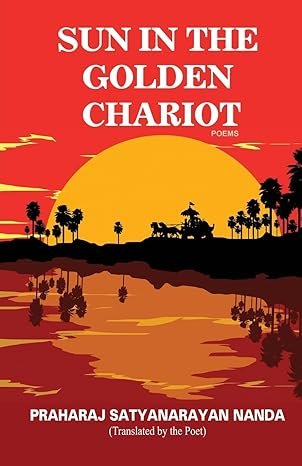
Sun in the Golden Chariot
₹200.00Sun in the Golden Chariot is the English translation of eminent Odia poet Praharaj Satyanarayan Nanda’s popular poetry collection “HIRANYAYENA SABITA RATHENA”. The poet has translated for global poetry lovers.
-

Surya O Andhakara
₹150.00Radha Mohan Gadanayak will always be remembered for his ballads & poetic creations. His poetry conveys vivid pictures of rural life in Odisha. He received the Sahitya Akademi award for this poem anthology, Surya O Andhakar in 1975.
-

Surya Uinle Rati
₹260.00କବିତା କ’ଣ ହୁଏତ ଜାଣିନଥିଲି ଏସବୁ ଲେଖିଲାବେଳେ । କାରଣ ଏଗୁଡ଼ିକର ରଚନା ବେଳକୁ ମୋ\’ର ବୟସ ତେର କି ଚଉଦରୁ ପନ୍ଦର-ଷୋହଳ ହେବ । ଏଣୁ ସୁଧୀ ପାଠକମାନେ ଏଗୁଡ଼ିକୁ ଲେଖକର ଭାବନାର ଶବ୍ଦରୂପ ବୋଲି ଭାବିନେବେ ବୋଲି ଅନୁରୋଧ । ମୋର ବି ଏଇୟା ଧାରଣା ଯେ, କବିତା ଆବେଗ ଆଉ ଭାବନାର ବ୍ୟାପର ମାତ୍ର । ଶବ୍ଦମାନେ ତା’ର ସିନ୍ଦୁକ । ଶବ୍ଦ କେତେ ପ୍ରଗଳ୍]ଭ ହେବ ସେ କଥାର ବିଚାରଶକ୍ତି ମୋର ନାହିଁ । ଥିଲେ ହୁଏତ ଆଉ କିଛି ହୋଇଥାଆନ୍ତା । ତେବେ ମନକୁ ଯାହା ଆସିଛି ଲେଖିଛି । ଏହା ଉତ୍ତରରେ ଉତ୍ତରଦେବା ଦାୟିତ୍ୱ ଆପଣମାନଙ୍କର । ଆଶା ଓ ବିଶ୍ୱାସ ଯେ, ଓଡ଼ିଆ ସାରସ୍ୱତ ଜଗତରେ ଏହି ସବୁ କବିତା ଅଦ୍ୱିତୀୟ ହୋଇ ନପାରିଲେ ସୁଦ୍ଧା ଅଥବା ସାରସ୍ୱତ ଜଗତକୁ ସମୃଦ୍ଧ କରିନପାରିଲେ ସୁଦ୍ଧା ନିଶ୍ଚିତରୂପେ ସୁଧୀ ଓ ସାଧୁଜନଙ୍କୁ ଆନନ୍ଦ ବଣ୍ଟନ କରିବ ।
-
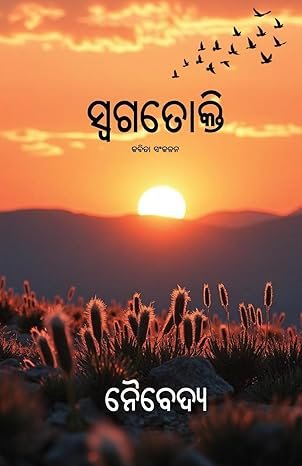
Swagotokti
₹180.00ନୈବେଦ୍ୟଙ୍କର କବିତା ପ୍ରତି ସ୍ୱତଃସ୍ଫୁର୍ତ ଆକର୍ଷଣ ତାଙ୍କୁ କବିତା ଲେଖିବା ପାଇଁ ପ୍ରୋତ୍ସାହିତ କରିଅଛି। ବିଦ୍ୟାଳୟ ଜୀବନରୁ କଟକ ଆକାଶବାଣୀର ଶିଶୁ ସଂସାର, କିଶୋର ଚକ୍ର ତଥା ଯୁବବାଣୀ କାର୍ଯ୍ୟକ୍ରମରେ ତାଙ୍କର ବିଭିନ୍ନ କବିତା ମେଟ୍ରିକ ପୂର୍ବରୁ ପଠିତ ହୋଇଛି। ମହାବିଦ୍ୟାଳୟ ଅଧ୍ୟୟନ ସମୟରେ ଆଧ୍ୟାତ୍ମ୍ୟ ସାହିତ୍ୟ ଧର୍ମୀ ସାମୟିକ କେତେକ ପତ୍ର ପତ୍ରିକା ସମ୍ପାଦନରେ ତାଙ୍କୁ ସୁଯୋଗ ମିଳିଥିଲା। ଏହାପରେ ଏକ ଦୀର୍ଘ ବିରାମ ଚିହ୍ନ କବିତା ପଠନ ଓ ଅନୁଶୀଳନରେ ମନୋନିବେଶ କରିବାକୁ ଅଧିକ ଉପଯୋଗୀ ମନେ କରିଛନ୍ତି। ଓଡ଼ିଆ, ସଂସ୍କୃତ, ହିନ୍ଦୀ, ବଙ୍ଗଳା, ଇଂରାଜୀ ତଥା ଅନ୍ୟାନ୍ୟ ଭାରତୀୟ ଭାଷାରେ କବିତା ପୁସ୍ତକ ତଥା କବିତା ସମ୍ପର୍କୀୟ ଆଲୋଚନା ପ୍ରତି ତାଙ୍କର ଆଗ୍ରହ ଏପର୍ଯ୍ୟନ୍ତ ଅକ୍ଷୁର୍ଣ୍ଣ ରହିଅଛି। କୌଣସି କବିତା ଲେଖି ସାରି ଚିରି ଫିଙ୍ଗି ଦେଉଥିବା ଅଭ୍ୟାସକୁ ବଦଳାଇ, କବିତାଗୁଡ଼ିକୁ ସାଇତି ରଖି ପ୍ରକାଶନ କରିବାର ଅଭିଳାଷ ସରକାରୀ ସେବାରୁ ଅବସର ନେବା ପରେ ଦାନା ବାନ୍ଧିଅଛି। ପ୍ରତିଟି ନିରୀକ୍ଷଣ, ଅନୁଭୂତି ଓ ଅନୁଭବ ଯେପରି କବିତା ମଧ୍ୟ ଦେଇ ଆସିବାକୁ ଚାହିଁଛନ୍ତି ଶବ୍ଦର ମାଧ୍ୟମ ଦେଇ। ଏହା ତାଙ୍କର ପ୍ରଥମ କବିତା ପୁସ୍ତକ ହେଲେ ମଧ୍ୟ ନିଜର କବିତା କେନ୍ଦ୍ରୀତ ଭାବନାର ପରିପ୍ରକାଶ। ନୈବେଦ୍ୟଙ୍କ ପାଇଁ ପରମଙ୍କ ପାଖରେ ସମଗ୍ର ଜୀବନ ଏକ ନିବେଦନ। ପ୍ରତିଟି କଳ୍ପନା କବିତାର ରୂପ ନେଇ ଅନେକ ସମୟରେ ଆବିର୍ଭୂତ ହୁଏ ମାନସ ପଟରେ। ମସ୍ତିଷ୍କ ଅପେକ୍ଷା ହୃଦୟରୁ ସ୍ୱତଃ ନିସୃତ ଭାବନା ସବୁ ରୂପ ନେବାକୁ ପ୍ରୟାସ କରିଛନ୍ତି ।
-
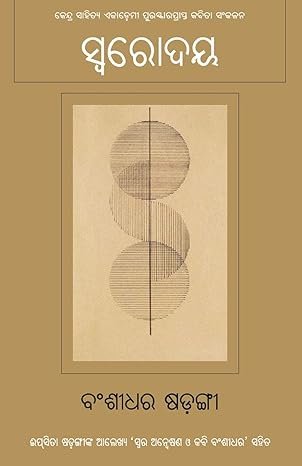
Swarodaya
₹150.00‘Swarodaya’ is the Magnum Opus poetry collection which was awarded Central Sahitya Academy award in 2006. The poems in this collection richly inherit the classical transcendental Odia philosophy. The words seem the voice of mendicants reverberating through the stillness of the world. A pioneer of the minimalist tradition, the poet achieves ironic meanings for words by their unconventional use through word-imagery as he strives in the book to find out a new identity for Truth. By recreating the atmosphere of ancient mystical poetry, the poet offers a hope that life can be made meaningful by following the path of Truth and Righteousness.
-
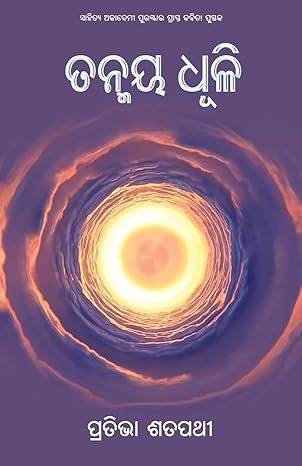
Tanmaya Dhuli
₹200.00ଧୂଳିକଣା ପକ୍ଷରେ କ’ଣ ନକ୍ଷତ୍ର ପର୍ଯ୍ୟନ୍ତ ପହଞ୍ଚିବା ସମ୍ଭବ? ଅସମ୍ଭବ ନିଶ୍ଚୟ । ତେବେ କ’ଣ ଚେଷ୍ଟା କରାଯିବ? ତାହାହିଁ ସଂଗତ । ମଣିଷ ପ୍ରେମରେ ଅସଂପୂର୍ଣ୍ଣ, ସିଦ୍ଧାନ୍ତ ଘେନିବାରେ ଅନିଶ୍ଚିତ ଆଉ ମୃତ୍ୟୁ ସମ୍ମୁଖରେ ବଡ଼ ଅସହାୟ; ତଥାପି ସେହି ଅସମର୍ଥ ଜୀବନ ଘେନି କବି ଗାଲିବଙ୍କର ସେହି ସଂଗତ କାର୍ଯ୍ୟଟିକୁ ସେ କରି ଚାଲିଥାଏ ଚିରକାଳ, ସୂର୍ଯ୍ୟାଭିସରଣରେ ସମୁଦ୍ୟତ କରିଥାଏ ନିରନ୍ତର । ବ୍ୟର୍ଥତା ଅବଶ୍ୟ ଅମୋଘ । ତେବେ ଯାହାକୁ ଆମେ ବ୍ୟର୍ଥତା କହୁଛେ ତହିଁର ଅପର ପ୍ରାନ୍ତରେ ବିଦ୍ୟମାନ ରହିଛି ପରମ ସାର୍ଥକତା, ଶୂନ୍ୟର ଅପର ପ୍ରାନ୍ତରେ ବର୍ତ୍ତମାନ ଅଖଣ୍ଡ ପୂର୍ଣ୍ଣତା, ବ୍ୟବଧାନ ଅସେତୁ ସମ୍ଭବ । ବିରହ ଅବସ୍ଥା ହିଁ ତେଣୁ ଚୈତନ୍ୟ ପୀଡ଼ିତ ମଣିଷର ବଂଚିବାର ଏକମାତ୍ର ସର୍ତ୍ତ ଓ ପାଥେୟ । ପ୍ରେମରେ ଉତ୍ତୀର୍ଣ୍ଣତା, ମିଳନରେ ଚରିତାର୍ଥତା – ଯାହା ସର୍ବଦା ଅନୁପସ୍ଥିତ । ଭଲ କବିଏ ତେଣୁ ଅମୃତର ଆକାଂକ୍ଷା ଓ ସଂଧାନ ଘେନି କବିତା ଲେଖିଥାନ୍ତି । ଯାହା ଅଲବ୍ଧ ଓ ଅପ୍ରାପଣୀୟ ତାହାରି ପାଇଁ ଶେଷକଥା । ବିରହ ଦୁଃଖ ମୂଲ୍ୟବାନ । କବିତାର ବିଶେଷତ୍ୱ ଏଇଠି, ମୂଲ୍ୟ ବି । କବିତା ମୂଲ୍ୟବାନ କେବଳ କବିତା ବୋଲି ନୁହେଁ, ତାହା ଚୈତନ୍ୟର ପ୍ରସୂନ ବୋଲି ମୂଲ୍ୟବାନ । ଆଉ ଚୈତନ୍ୟ ମାନେ ଆଧ୍ୟାତ୍ମିକ । କବି ପ୍ରତିଭା ଶତପଥୀ କବିତାରେ ସେହି ଅମୃତ ସଂଧାନରେ ଅଭିସରଣ ସମୁତ୍ସୁକ । ତାଙ୍କ କବିତାକୁ ତେଣୁ ଅଧ୍ୟାତ୍ମ ଭାବନାରୁ ବିଚ୍ଛିନ୍ନ କରି ଦେଖି ହୁଏ ନାହିଁ । ସେ କବିତା ଲେଖନ୍ତି ଅଧ୍ୟାତ୍ମ ଐତିହ୍ୟର ଉତ୍ତରାଧିକାର ଘେନି । ସେଇଥିପାଇଁ ତାଙ୍କ ‘ଶବରୀ’, ‘ତନ୍ମୟଧୂଳି’ ଓ ‘ଅଧା ଅଧା ନକ୍ଷତ୍ର’ ପରି କବିତା ସଙ୍କଳନର ରଚନା ।
-
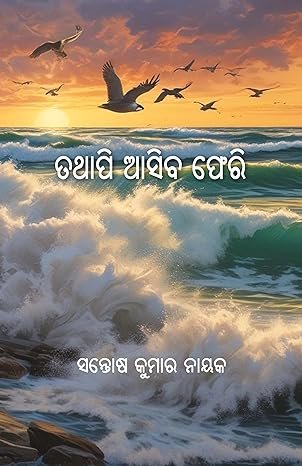
Tathapi Asiba Pheri
₹200.00କବିତା ଯେ ନୀରସ, କଠୋର ହୃଦୟରୁ ବାହାରି ପାରେନା? ତେବେ ଝରଣାର ଜନ୍ମ ହୁଏ କିପରି, କେଉଁଠାରୁ, କାହା ଛାତି ଚିରି? କବିତା ଓ ଝରଣା ମଧ୍ୟରେ ଆପଣ ପ୍ରଭେଦ ବାରିପାରିବେ ନିଶ୍ଚିତ, କିନ୍ତୁ କେତେଟା? ଝରଣା ପ୍ରବହମାନ। କବିତା ପ୍ରବହମାନ। ଝରଣା ନାରୀଟିଏ। କବିତା ନାରୀଟିଏ। ଉଭୟରେ ଭଗିନୀ, ଜନନୀ, ଜାୟା, ମାତାମହ ଆଦି ଶବ୍]ଦର ଜୀବନ୍ତ ସଂଜ୍ଞା ରହିଛି। କବିତା କେତେବେଳେ ନଦୀ, କେତେବେଳେ ଝରଣା। କବିତାକୁ ଦନ୍ତୁରତା ରୋକିପାରେନା।
ଆଜି ସେ ନାହାଁନ୍ତି। ଥିଲେ କେତେ ଭଲ ହୋଇଥାଆନ୍ତା। ମୋର ସବୁ ବହି, ମୋର ପ୍ରଗତିକୁ ଦେଖି ସେ କେତେ ଖୁସି ହୋଇଥାଆନ୍ତେ, ସେଇଥିରେ ମୋର ପେଟ-ମନ-ଆତ୍ମା ପୂରିଉଠି ଥାଆନ୍ତା। ତାଙ୍କରି ପାଇଁ, ତାଙ୍କରି ଯାତ୍ରାପଥ ପାଇଁ, ତାଙ୍କରି ଆସିବା ଓ ଯିବା, ଯିବା ଓ ଆସିବା ପାଇଁ ଏଇ ପଥ- ଏଇ ଶବ୍]ଦ ପଥ।
-

The BigBridge Book of Contemporary Indian Poetry
₹450.00Indian poets writing in English have earned their space on the global stage, forging new paths and moulding the language to suit the Indian landscape, concerns, and themes. When Nissim Ezekiel crossed new frontiers with his ‘A Time to Change’ in 1952, it was recognised as one of the first significant books of postcolonial poetry in English; decades later, however, sceptics continued to ask why Indians insisted on writing in English and not in their mother tongues. An exasperated Saleem Peeradina said to me in an interview soon after his debut poetry collection First Offence appeared in 1980, “This question should be outlawed!” Mercifully, though such discussions may still linger in some academic circles, the issue no longer merits attention, at least among poets.
-

-

The Butterfly of the Cage
₹250.00This collection of English poems, ‘The Butterfly of the Cage’, the second transcreation by the author himself from his original Odia poetry collection ‘Panjurira Prajapati’ is based on varied themes and thoughts like human desire and despair, agony and aspiration, emotion and passion, rejoice and sorrow, love and hatred, belief and betrayal, sweet and sour memories, satire and irony, delusion and illusion, splendour of the nature, the philosophy of life, death and time, the untouched layers of human behaviour and instinct, apprehension for the uncertain future of man and environment due to anthropogenic activities, and even poetic representation of some scientific phenomena which rarely finds its place in poetry. Its ‘Prologue’ depicts an introduction to Poetry, English Poetry and Indian English Poetry which is no less than a research paper and a must read.
The book is dedicated to eminent Indian poet Padma Shri Dr. Jayanta Mahapatra who passed away on August 27th, 2023.