-
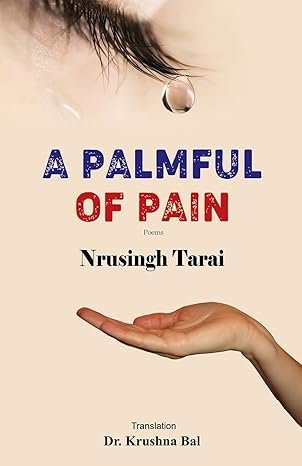
A Palmful of Pain
₹200.00Nrusingh Tarai’s poems have an unusual freshness & vividness & clarity about them. His language, phrase & rhythm has a rare felicity & flexibility that enables his poetry to acquire an identity of its own. He is prolific, not to say profuse and his range ranges over a great variety of themes, issues and concerns. At a time when young poets showcase the stereotypes and platitudes of contemporary living, he beats a hasty retreat from the pedestrian & comes abreast of gross realities by stark metaphors. The language both racy and idiomatic, precise and prolix suggest his beginnings in the sylvan backwaters of Odisha and his sense of rootedness. He has a felt undertone of empathy with the disinherited & dispossessed, fallen females & outcastes. He scores while stating a problem & avowedly believes that it eludes any neat resolution. And thus he is apolitical. And there is an aura of magic when he captures, in apposite vocabulary, the urban & semi-urban vignettes. There emerges a vision, not uncluttered, of a writer wrestling with the medium to achieve an echo of pain & reconciliation, jubilation and freedom. Above all, he is eminently readable.
-
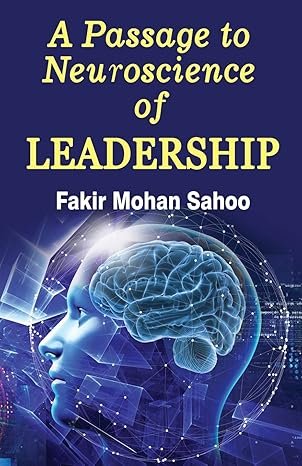
A Passage to Neuroscience of Leadership
₹750.00Neuroscience has become a buzz-word in contempory lives. The neuroscience research came in a big way when Roger Sperry received Noble Prize for his split-brain research. Since mid-eighties, Neuroscience has expanded new possibilities, highlighted unexplored areas of knowledge and has provided connectivity amongst many fields. New topics have been identified, novel concerns have been expressed and many solutions have been generated. In the context of leadership research, this New Look Approach has opened new frontiers of knowledge. A number of issues in leadership that remained unexplainable in the past are now examined through neuroscientific lenses. The initial explorations have generated optimistic outcomes. Since neuroscientific investigation is relatively a new entry into our leadership arena, the furthering of such efforts is likely to yield promising dividends.
-
A Poet’s Promise
₹350.00A Poet’s Promise contains 63 poems gleaned from three decades of writing dating back to the poet’s childhood years. Covering diverse areas such as Nature, relationships, emotions, spirituality, literature, love, travel, socio-political issues and womanhood, the book concludes with a section titled ‘Survival’ wherein poetry becomes a means of overcoming all odds. Every poem is an offering of love to the readers. These poems embody existence, identity, struggle, survival, and above all, raw humanity. Through moments of despair and elation, light and darkness, they have the potential to be catharsis, inspiration and undying hope. This poet’s journey is certainly ‘our’ very own journey.
-
A Room of One’s Own
₹150.00A Room of One’s Own is Virginia Woolf’s most powerful feminist essay, justifying the need for women to possess intellectual freedom and financial independence.
Based on a lecture given at Girton College, Cambridge, the essay is one of the great feminist polemics, ranging in its themes from Jane Austen and Carlotte Brontë to the silent fate of Shakespeare’s gifted (imaginary) sister and the effects of poverty and sexual constraint on female creativity.
Virginia Woolf (1882-1941) is regarded as a major twentieth-century author and essayist, a key figure in literary history as a feminist and modernist, and the centre of ‘The Bloomsbury Group’. Between 1925 and 1931 Woolf produced what are now regarded as her finest masterpieces, from Mrs Dalloway (1925) to the poetic and highly experimental novel The Waves (1931). She also maintained an astonishing output of literary criticism, short fiction, journalism and biography, including the playfully subversive Orlando (1928) and A Room of One’s Own (1929).
-
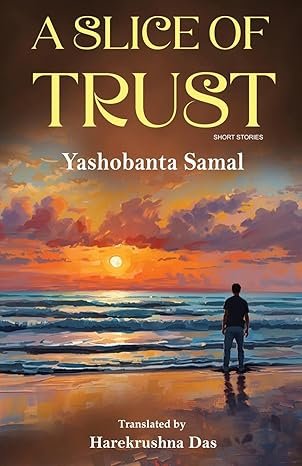
A Slice of Trust
₹270.00Yashobanta Samal is one of those few storytellers in Odia who portrays the society around him with a sharp sense of humanity without loading the stories with heavy philosophical speculation or abstraction. The world as he surveys is not an ideal world; it is inhabited by people of all sorts of character who seem to be moving somewhere around us. Their honesty, simplicity, hypocrisy, follies and foibles constitute the warp and woof of the fabric of his stories. The characters with their commonplace attributes seem one amongst us; a familiar friend who has grown up with us; or an acquaintance next door or a simple folk we come across in our daily life whom we look up to with awe, wonder, ridicule, compassion and humour.
-
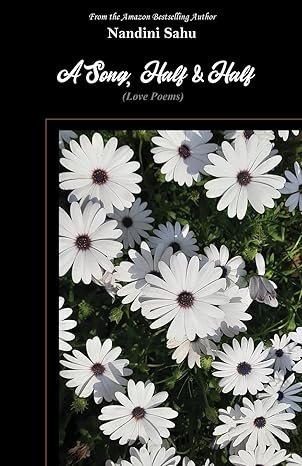
A Song, Half & Half
₹250.00A Song, Half & Half is a range of Nandini’s love poems, written between 14th February 2021 and 14th February 2022. The poems play around the poet’s ideas on complex human emotions, relationships, romantic love, even humour and of course the existential issues of life. The tone and tenor of these poems are a different ball game altogether; here one can notice a sea change in the moods, modes and mores of the mythical poet Nandini. Here, she reveals as much as she conceals. Penned as soliloquies from her covid bed, in memory of her love, and then the rekindling of love in her ‘Ocean’, these are her politically incorrect poems. Here Nandini celebrates an anonymous love that is still knocking her door, and the personae has left the door ajar.
-
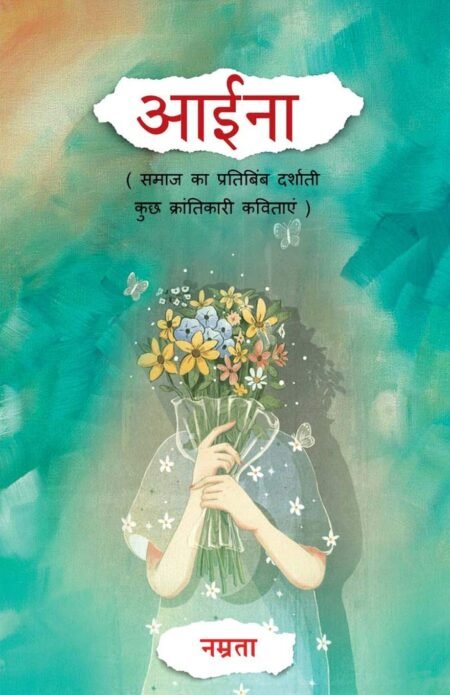
Aaina
₹250.00The poems depict various moods from nationalism, unspoken women sacrifices to community tragedies she has encountered whilst her battle with social ills. Lively, courageous and taking a stand for fierce justice the poems reflects the images of disregarded issues, everlasting inner battle and survival. “Giving back is essential” with this belief all the proceeds of the book would be used supporting a crucial charity Maadhyam, which works for survivors of domestic violence, acid attack victims and underprivileged children.
-
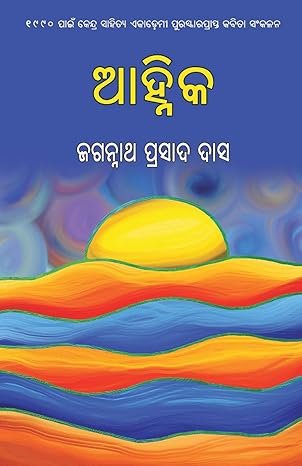
Aanhika
₹140.00Aanhika is the poetry collection by eminent Odia poet Jagannath Prasad Das. This collection was awarded prestigious Saraswati Samman in 1990.
Jagannath Prasad Das (J.P.) (born 26 April 1936) is an eminent Odia poet, playwright, essayist and fiction writer. He has done translations of literary works from different languages into Odia and English. He has done extensive research into Odishan art and has published three works on the pictorial arts of the state. His writings have been widely translated into Hindi, English and other Indian languages. He has been recipient of many awards including Odisha Sahitya Academy Award (1981) for the poetry collection Je Jahara Nirjanata, Central Sahitya Akademi award (1990) for the poetry collection Aanhika, and the Saraswati Samman (2006) for the poetry collection Parikrama.
-
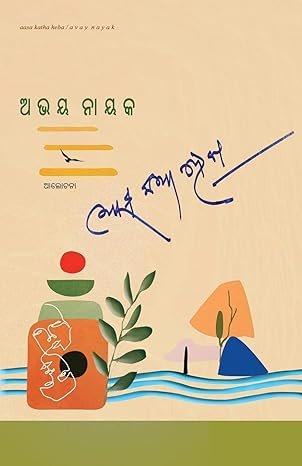
Aasa Katha Heba
₹220.00Poetry reveals the unrevealed and yet conceals the obvious. The canvas for poetry is short and freedom for use of words to express the feelings is still limited. The untold feelings and intellectual dispositions of poet Avaya Nayak have been expressed through his articles and essays on a number of issues, which influence the behaviour of common men. “Aasa Katha Heba” is a compilation of such thoughts of Sri Nayak, which deserves readers accolades.
-
Abhajana
₹180.00ଦଳିତ ସାହିତ୍ୟ ସାମାଜିକ ବୈଷମ୍ୟ, ଅସ୍ପୃଶ୍ୟତା, ଲିଙ୍ଗ ଭେଦ ଓ ଅସମାନତା ବିରୁଦ୍ଧରେ ବିଦ୍ରୋହ ଘୋଷଣା କରେ । ଭାରତୀୟ ସମାଜରେ ‘ଶ୍ରେଣୀ ସଂଘର୍ଷ’ ଓ ‘ଦଳିତ ବିଦ୍ରୋହ’କୁ ସମଭାବରେ ଗ୍ରହଣ କରାଯାଇପାରିବ ନାହିଁ । ଧନୀ ଓ ଗରିବ ମଧ୍ୟରେ ତାରତମ୍ୟ ସେତେବଡ଼ ସମସ୍ୟା ନୁହେଁ । ଧନୀ ଦିନେ ଗରିବ ଓ ଗରିବ ଦିନେ ଧନୀ ହୋଇଥିବାର ଦୃଷ୍ଟାନ୍ତ ଦୁନିଆରେ ଅଭାବ ନାହିଁ । କିନ୍ତୁ ଜାତି ଜନିତ ବୈଷମ୍ୟ ସବୁ କାଳ ପାଇଁ ସତେ ଯେପରି ଅମରତ୍ୱ ଲାଭ କରିଛି । ଜାତି ପ୍ରଥାରେ ଉଚ୍ଚବର୍ଗ ସଦାବେଳେ ଶ୍ରେଷ୍ଠ, ଦଳିତ ସର୍ବଦା ନିଚ୍ଚ ହୋଇ ଆଜୀବନ ମଥାନତ ହୋଇ ବଂଚିରହେ । ଦାରିଦ୍ର]୍ୟ ଅପେକ୍ଷା ଜାତି ପ୍ରଥା ଅତି ଉତ୍କଟଭାବେ ଅବହେଳିତ ସମାଜର ଦୁଃଖର କାରଣ ହୋଇଚାଲିଛି । ଏହି ଜାତିପ୍ରଥାକୁ ସାହିତ୍ୟରେ ଯେ ବିରୁଦ୍ଧ କରାଯାଇ ନାହିଁ ତାହାନୁହେଁ, ଯେତିକି କରାଯାଇଛି ତାହା ଧର୍ମର ଦ୍ୱାହି ତଳେ ସେଭଳି ପରିପ୍ରକାଶ ପାଇପାରିନାହିଁ । ବାରଶହ ବର୍ଷ ତଳେ ଲିଖିତଚର୍ଯ୍ୟା ଗୀତିକାରେ କାହ୍ନୁ ପାଦଙ୍କ ବର୍ଣ୍ଣନା ‘ନଗର ବାହିରେ ଡୋମ୍ବି ତୋହେରି କୁଡ଼ିଆ/ଛୋଇଛୋଇ ଯାହି ସୋ ବ୍ରାହ୍ମ ନାଡ଼ିଆ’…..ରୁ ଅନୁଭବ କରିହୁଏ ନଗର ବାହାରେ ଅବହେଳିତ ସମାଜର ଘର ଥିଲା । ସେ ଘର ଭିତରେ ଅତି ଅସ୍ୱାଭାବିକ ଜୀବନ ଯାପନ କରୁଥିଲା ବାସନ୍ଦ ମଣିଷ । ଠିକ୍ ସେହିଭଳି ଚର୍ଯ୍ୟା ଗୀତିକାର ଛଅଶହ ବର୍ଷ ପରେ ପଂଚସଖା ଯୁଗର ବିଦ୍ରୋହୀ କବି ବଳରାମ ଦାସ ଜାତିପ୍ରଥାକୁ ଦୃଷ୍ଟିରେ ରଖି ରଚନା କରିଛନ୍ତି ‘ଲକ୍ଷ୍ମୀ ପୁରାଣ’ । ଏହି ପୁରାଣରେ ଠାଏ କହିଛନ୍ତି
‘ଚଣ୍ଡାଳୁ ବ୍ରାହ୍ମଣ ଯାଏ ଖିଆଖୋଇ ହେବେ
ସମସ୍ତେ ଖାଇଣ ହସ୍ତ ଜଳେ ନ ଧୋଇବେ
ହାଡ଼ିର ହସ୍ତୁ ବ୍ରାହ୍ମଣ ଛଡ଼ାଇ ଖାଇବେ
ବ୍ରାହ୍ମଣ ଖାଇ ହସ୍ତକୁ ମୁଣ୍ଡରେ ପୋଛିବେ ।’
-
Abhishapta Rajanandini
₹300.00ଏହି ସଂକଳନଟି ପ୍ରକାଶ କରିବା ପାଇଁ ମୋର କେତେଜଣ ଶୁଭାକାଂକ୍ଷୀ ବଂଧୁମାନଙ୍କର ଇଚ୍ଛା ଓ ପ୍ରେରଣାରୁ ମୁଁ ଏହି ବହିଟିକୁ ପ୍ରକାଶ କରିବା ପାଇଁ ସ୍ଥିର କଲି । ଏଥିରେ ସନ୍ନିବେଶିତ ଦୀର୍ଘ ଗଳ୍ପଗୁଡ଼ିକ ଉପନ୍ୟାସିକା ବର୍ଗରେ ଯିବ ଓ ସେଗୁଡ଼ିକ ସେମାନଙ୍କ ହୃଦୟକୁ ଛୁଇଁ ପାରିଛି ବୋଲି ସେମାନେ କହିଲେ । ବଂଧୁମାନଙ୍କ କଥା ଓ ଅନୁରୋଧ ରକ୍ଷା କରି ଏସବୁକୁ ପ୍ରକାଶ କରିଦେବା ବୁଦ୍ଧିମତ୍ତାର କାର୍ଯ୍ୟ ହେବ ଭାବି ମୁଁ ସେସବୁରୁ କିଛି ଗଳ୍ପ ଚୟନ କରି ପ୍ରକାଶ କରିବାକୁ ସ୍ଥିର କଲି । କିଛିଦିନ ଲାଗିଗଲା କେଉଁ କେଉଁ ଗଳ୍ପଗୁଡ଼ିକୁ ଉପନ୍ୟାସିକା ଶ୍ରେଣୀଭୁକ୍ତ ହୋଇପାରିବ ଭାବିବା ପାଇଁ । ଯାହା ହେଉ ତାହା ବେଶୀ ସମୟ ନେଇ ନଥିଲା, ତା’ ପରେ କେଉଁ ପ୍ରକାଶକଙ୍କୁ ଏହାର ପ୍ରକାଶନର ଦାୟିତ୍ୱ ଦେବି ଭାବିବା ସମୟରେ ଭାଗ୍ୟକୁ ମୋର ବଂଧୁ ଡ. କେ.ସି. ବଳ ‘ବ୍ଲାକ ଈଗଲ ବୁକ୍ସ’ ପ୍ରକାଶନ ସଂସ୍ଥାର ନାମ କହିଲେ ଓ ତାଙ୍କର ଫୋନ୍ ନମ୍ବର ଦେଲେ ତାଙ୍କ ସହିତ ଯୋଗାଯୋଗ କରିବା ପାଇଁ । ଯାହାହେଉ ମୁଁ ଫୋନ୍ କଲି ଏବଂ ମୋ ଭାଗ୍ୟକୁ ଶ୍ରୀ ଅଶୋକ ପରିଡ଼ା ଆନନ୍ଦର ସହିତ ମୋର ଏହି ସଂକଳନଟି ପ୍ରକାଶ କରିବାକୁ ରାଜି ହୋଇଗଲେ । ଏହି ସଂକଳନରେ ସ୍ଥାନିତ ଉପନ୍ୟାସିକାଗୁଡ଼ିକ ବହୁତ ଦିନରୁ ବିଭିନ୍ନ ପତ୍ର ପତ୍ରିକାରେ ପ୍ରକାଶ ପାଇଥିଲା ଏବଂ ପାଠକ ମହଲରେ ଯଥେଷ୍ଟ ଆଦୃତ ହୋଇଥିଲା । ତେଣୁ ମୋର ବିଶ୍ୱାସ ହେଲା ଏଗୁଡ଼ିକ ମଧ୍ୟ କିଛି ନୂତନ ପାଠକପାଠିକାଙ୍କୁ ଆନନ୍ଦ ଦେଇପାରେ । ଏହି ବିଶ୍ୱାସ ଓ ଆଶା ନେଇ ମୁଁ ଏହି ସଂକଳନଟି ପ୍ରକାଶ କରିବାକୁ ସ୍ଥିର କଲି । ଏହାର ପ୍ରଚ୍ଛଦ ଶିଳ୍ପୀ ଚିତ୍ରକାର ଶ୍ରୀ ବଳଦେବ ମହାରଥାଙ୍କୁ ମୋର କୃତଜ୍ଞତା ଜଣାଉଛି ଏବଂ ଅନ୍ତରର ଧନ୍ୟବାଦ ଜ୍ଞାପନ କରୁଛି । ଏହି ପୁସ୍ତକର ନାମ କରଣ ମୋ ବଡ଼ଝିଅ ରୁପାର ଇଚ୍ଛାରେ ହୋଇଛି । ଏହି ବହିଟି ପଢ଼ିସାରି ଯଦି କେହି କିଛି ଆନନ୍ଦ ପାଆନ୍ତି ତେବେ ମୁଁ ଭାବିବି ମୋ ଶ୍ରମ ସାର୍ଥକ ହେଲା ।
-
Abolakara Kahani
₹200.00Abolakara is a fictional character and many short stories are created around this character. He is the servant of a learned person (known as Santa, the master) who takes Abolakara with him wherever he goes. During the day they travel, and after the dusk they take rest. That time Santa asks Abolakara to spread the blanket and listen to his stories. These stories are called Abolakara Kahani.