-
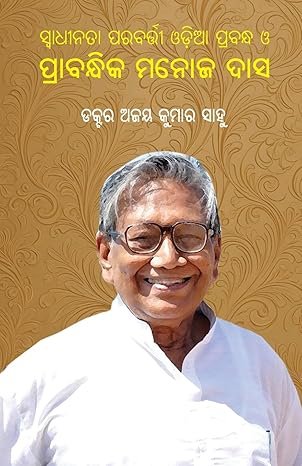
Swadhinata Parabarti Odia Prabandha O Prabandhika Manoj Das
₹330.00ମନୋଜ ଦାସ ଏକ ସାରସ୍ୱତ ବିସ୍ମୟ। ଚେତନା ରୂପାନ୍ତରର ଏକ ସୃଜନୀ ଶିଳ୍ପୀ। କବି, ଗାଳ୍ପିକ, ଔପନ୍ୟାସିକ, ପ୍ରାବନ୍ଧିକ ସବୁ ବର୍ଗର ପାଠକ ପାଇଁ ମନୋଜଙ୍କ ଲିଖନୀରୁ ଝରିଛି ଅମୃତ। ଓଡ଼ିଆ ସାହିତ୍ୟରେ ନିଜ ସାଧନାର ବଳିଷ୍ଠ ସ୍ୱାକ୍ଷର ପାଇଁ ସମଗ୍ର ବିଶ୍ୱରେ ପରିଚିତ ଏଇ ଓଡ଼ିଆ ଶିଳ୍ପୀ। ଆଜୀବନ ନୈତିକ ଆଦର୍ଶ, ଭାରତୀୟ ସଂସ୍କୃତି ଓ ବୈଦିକ ବିଚାର ଉପରେ ପ୍ରତିଷ୍ଠିତ ମନୋଜୀୟ ସୃଜନୀ ସମ୍ଭାର ଯେତିକି ଉଦାତ୍ତ ଓ ଗମ୍ଭୀର, ସେତିକି ମାନବୀୟ ସଂବେଦନ ଓ ଚେତନାର ରୂପାନ୍ତରରେ ଶାଣିତ ଓ ପ୍ରଖର।
ମନୋଜ ଦାସଙ୍କ ଗଳ୍ପ ଦିଗନ୍ତ ପରି ତାଙ୍କ ପ୍ରବନ୍ଧ ମାନସ ବି ଦିଗନ୍ତ ବିସ୍ତାରୀ। ସୌଭାଗ୍ୟର କଥା ମନୋଜଙ୍କ ପ୍ରବନ୍ଧକୁ ନେଇ ଏକ ପୂର୍ଣ୍ଣାଙ୍ଗ ଗବେଷଣା ଗ୍ରନ୍ଥ ପ୍ରକାଶ ପାଇବାକୁ ଯାଉଛି। ଧରଣୀଧର ବିଶ୍ୱବିଦ୍ୟାଳୟର ଓଡ଼ିଆ ବିଭାଗର ଅଧ୍ୟାପନା କରୁଥିବା ଡକ୍ଟର ଅଜୟ କୁମାର ସାହୁଙ୍କ ଏହା ବିଦ୍ୟାବାରିଧି ପାଇଁ ନିବନ୍ଧ ଗ୍ରନ୍ଥ ଯାହା ଏବେ ପୁସ୍ତକ ରୂପେ ପ୍ରକାଶ ପାଇବାକୁ ଯାଉଛି। ଡକ୍ଟର ସାହୁ ମନୋଜ ଦାସଙ୍କ ସମଗ୍ର ଗଦ୍ୟସୃଷ୍ଟି ଉପରେ ଗବେଷଣା କରି ମନୋଜୀୟ ଚେତନାର ବହୁବିଧ ଉପଲବ୍ଧିକୁ ପାଠକ ପାଇଁ ଅନାବରଣ କରିଛନ୍ତି।
ଇତିହାସ, କିମ୍ବଦନ୍ତୀ, ପୁରାଣ, ବେଦ, ଉପନିଷଦ, ସଂସ୍କୃତି, ଆଧ୍ୟାତ୍ମିକତା ସବୁ ବିଶ୍ଳେଷଣ କରିଛନ୍ତି ଡକ୍ଟର ସାହୁ। କଳାତ୍ମକ ଦୃଷ୍ଟିରୁ ମନୋଜ ଦାସ ଗଳ୍ପ ଉପନ୍ୟାସରେ ଯେମିତି ଅତୁଳନୀୟ ପ୍ରବନ୍ଧରେ ବି ସେମିତି ଅବିସ୍ମରଣୀୟ। ଏପରି ସତ୍ୟକୁ ନିଜ ଆଲୋଚନା ଜରିଆରେ ଉନ୍ମୋଚିତ କରିବାରେ ସମର୍ଥ ଡଃ ସାହୁ।
ଓଡ଼ିଆ ସାହିତ୍ୟରେ ଅସଂଖ୍ୟ ଛାତ୍ରଛାତ୍ରୀ ଅନୁସନ୍ଧିତ୍ସୁ ଗବେଷକମାନଙ୍କ ପାଇଁ “ସ୍ୱାଧୀନତା ପରବର୍ତ୍ତୀ ଓଡ଼ିଆ ପ୍ରବନ୍ଧ ଓ ପ୍ରାବନ୍ଧିକ ମନୋଜ ଦାସ”ପୁସ୍ତକ ଏକ ଆଲୋକ ବର୍ତ୍ତିକା ହୋଇ ଉଭାହେବ। ମନୋଜୀୟ ସୃଜନ ରହସ୍ୟର ଗବେଷଣା ଓ ବିଶ୍ଳେଷଣ ସମୟରେ ପୁସ୍ତକଟି ନିଜର ଉପାଦେୟତା ପ୍ରମାଣିତ କରିପାରିବ।
-

Swagotokti
₹180.00ନୈବେଦ୍ୟଙ୍କର କବିତା ପ୍ରତି ସ୍ୱତଃସ୍ଫୁର୍ତ ଆକର୍ଷଣ ତାଙ୍କୁ କବିତା ଲେଖିବା ପାଇଁ ପ୍ରୋତ୍ସାହିତ କରିଅଛି। ବିଦ୍ୟାଳୟ ଜୀବନରୁ କଟକ ଆକାଶବାଣୀର ଶିଶୁ ସଂସାର, କିଶୋର ଚକ୍ର ତଥା ଯୁବବାଣୀ କାର୍ଯ୍ୟକ୍ରମରେ ତାଙ୍କର ବିଭିନ୍ନ କବିତା ମେଟ୍ରିକ ପୂର୍ବରୁ ପଠିତ ହୋଇଛି। ମହାବିଦ୍ୟାଳୟ ଅଧ୍ୟୟନ ସମୟରେ ଆଧ୍ୟାତ୍ମ୍ୟ ସାହିତ୍ୟ ଧର୍ମୀ ସାମୟିକ କେତେକ ପତ୍ର ପତ୍ରିକା ସମ୍ପାଦନରେ ତାଙ୍କୁ ସୁଯୋଗ ମିଳିଥିଲା। ଏହାପରେ ଏକ ଦୀର୍ଘ ବିରାମ ଚିହ୍ନ କବିତା ପଠନ ଓ ଅନୁଶୀଳନରେ ମନୋନିବେଶ କରିବାକୁ ଅଧିକ ଉପଯୋଗୀ ମନେ କରିଛନ୍ତି। ଓଡ଼ିଆ, ସଂସ୍କୃତ, ହିନ୍ଦୀ, ବଙ୍ଗଳା, ଇଂରାଜୀ ତଥା ଅନ୍ୟାନ୍ୟ ଭାରତୀୟ ଭାଷାରେ କବିତା ପୁସ୍ତକ ତଥା କବିତା ସମ୍ପର୍କୀୟ ଆଲୋଚନା ପ୍ରତି ତାଙ୍କର ଆଗ୍ରହ ଏପର୍ଯ୍ୟନ୍ତ ଅକ୍ଷୁର୍ଣ୍ଣ ରହିଅଛି। କୌଣସି କବିତା ଲେଖି ସାରି ଚିରି ଫିଙ୍ଗି ଦେଉଥିବା ଅଭ୍ୟାସକୁ ବଦଳାଇ, କବିତାଗୁଡ଼ିକୁ ସାଇତି ରଖି ପ୍ରକାଶନ କରିବାର ଅଭିଳାଷ ସରକାରୀ ସେବାରୁ ଅବସର ନେବା ପରେ ଦାନା ବାନ୍ଧିଅଛି। ପ୍ରତିଟି ନିରୀକ୍ଷଣ, ଅନୁଭୂତି ଓ ଅନୁଭବ ଯେପରି କବିତା ମଧ୍ୟ ଦେଇ ଆସିବାକୁ ଚାହିଁଛନ୍ତି ଶବ୍ଦର ମାଧ୍ୟମ ଦେଇ। ଏହା ତାଙ୍କର ପ୍ରଥମ କବିତା ପୁସ୍ତକ ହେଲେ ମଧ୍ୟ ନିଜର କବିତା କେନ୍ଦ୍ରୀତ ଭାବନାର ପରିପ୍ରକାଶ। ନୈବେଦ୍ୟଙ୍କ ପାଇଁ ପରମଙ୍କ ପାଖରେ ସମଗ୍ର ଜୀବନ ଏକ ନିବେଦନ। ପ୍ରତିଟି କଳ୍ପନା କବିତାର ରୂପ ନେଇ ଅନେକ ସମୟରେ ଆବିର୍ଭୂତ ହୁଏ ମାନସ ପଟରେ। ମସ୍ତିଷ୍କ ଅପେକ୍ଷା ହୃଦୟରୁ ସ୍ୱତଃ ନିସୃତ ଭାବନା ସବୁ ରୂପ ନେବାକୁ ପ୍ରୟାସ କରିଛନ୍ତି ।
-
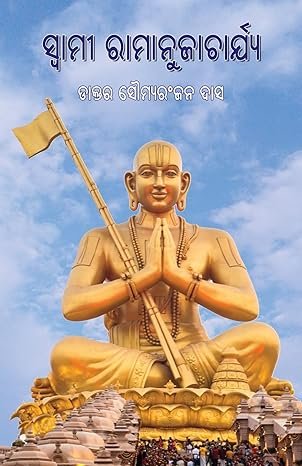
Swami Ramanujacharya
₹200.00ସାଧାରଣ ମନୁଷ୍ୟ ସୀମିତ ଶକ୍ତି ଓ ସ୍ୱଳ୍ପ ଆୟୁଷର ଅଧିକାରୀ ହୋଇଥିବା ହେତୁ, ସେ ନିଜସ୍ୱ ବୁଦ୍ଧି ଓ ଉଦ୍ୟମ ଦ୍ୱାରା ଜଗତର ସ୍ରଷ୍ଟା ପରମତତ୍ତ୍ୱଙ୍କୁ ନିରୂପଣ କରିପାରିବା ଅତି କଷ୍ଟସାଧ୍ୟ ଅଟେ । ପରତତ୍ତ୍ୱଙ୍କ ବିଷୟରେ ଜାଣିବାକୁ ହେଲେ, ପରତତ୍ତ୍ୱଦର୍ଶୀ ମହାମାନବ ମାନଙ୍କ ଦ୍ୱାରା ପ୍ରଦତ୍ତ ଭଗବଦ୍ ଜ୍ଞାନର ଆଶ୍ରୟ ନେବା ହିଁ ଉତ୍ତମ ପନ୍ଥା ଅଟେ । ସେହିପରି ମହାପୁରୁଷ ମାନଙ୍କ ମଧ୍ୟରେ ଅଗ୍ରଗଣ୍ୟ, ଜଗତଗୁରୁ ସ୍ୱାମୀ ରାମାନୁଜାଚାର୍ଯ୍ୟ ଭାରତବର୍ଷରେ ଜଣେ ମହାନ୍ ଦାର୍ଶନିକ ତଥା ‘ଶ୍ରୀ ସଂପ୍ରଦାୟ’ର ଜଣେ ବିଶିଷ୍ଟ ଆଚାର୍ଯ୍ୟ ରୂପେ ସୁପ୍ରସିଦ୍ଧ । ତାଙ୍କର ଅନେକ ନାମମାନଙ୍କ ମଧ୍ୟରେ ରାମାନୁଜ, ୟତିରାଜ ଓ ଭାଷ୍ୟକାର ଆଦି ନାମରେ ସେ ଜନମାନସରେ ଖ୍ୟାତିଲାଭ କରିଛନ୍ତି । ବିଶେଷ ମାନ୍ୟତା ଅଛି ଯେ, ବୈକୁଣ୍ଠ ଅଧିପତି ଶ୍ରୀ ନାରାୟଣଙ୍କ ଅନ୍ତରଙ୍ଗ ପାର୍ଷଦ ଅନନ୍ତଶେଷ ହିଁ କଳିଯୁଗର ମନୁଷ୍ୟସମାଜକୁ ଭଗବଦ୍ ଶରଣାଗତିର ପଥ ପ୍ରଦର୍ଶନ କରିବାପାଇଁ ରାମାନୁଜଙ୍କ ରୂପରେ ଅବତାର ଗ୍ରହଣ କରିଥିଲେ । ସ୍ୱୟଂ ଭଗବାନ ନାରାୟଣ କଳିଯୁଗର ମନୁଷ୍ୟମାନଙ୍କ ଉଦ୍ଧାର ନିମନ୍ତେ ଶ୍ରୀବୈଷ୍ଣବ ସଂପ୍ରଦାୟର ଆରମ୍ଭ କରିଥିଲେ । ଭଗବତୀ ମହାଲକ୍ଷ୍ମୀ ଏହି ସଂପ୍ରଦାୟର ଦ୍ୱିତୀୟ ଗୁରୁ ଅଟନ୍ତି । ତାଙ୍କରି ମହିମା ଧାରଣ କରିଥିବାରୁ, ଏହି ଗୁରୁ ପରମ୍ପରା ଶ୍ରୀ ସଂପ୍ରଦାୟ ନାମରେ ସୁପରିଚିତ । ମାତା ମହାଲକ୍ଷ୍ମୀଙ୍କ ଠାରୁ ଏହି ଶରଣାଗତି ଜ୍ଞାନ ବୈକୁଣ୍ଠଧାମର ସେନାଧ୍ୟକ୍ଷ ବିଶ୍ୱକ୍ସେନ ଗ୍ରହଣ କରିଥିଲେ । ପୃଥିବୀ ପୃଷ୍ଠରେ ସର୍ବପ୍ରଥମେ ଶଠକୋପ ମୁନି ବିଶ୍ୱକ୍ସେନଙ୍କ ଠାରୁ ଏହାକୁ ଲାଭ କରିଥିଲେ ଏବଂ ତାଙ୍କରି ଉଦ୍ୟମରେ ଏହି ‘ଶ୍ରୀ ସଂପ୍ରଦାୟ’ ଆଜି ପର୍ଯ୍ୟନ୍ତ ପ୍ରଚଳିତ ହୋଇ ଆସିଛି । ସ୍ୱାମୀ ରାମାନୁଜ ଏହି ସଂପ୍ରଦାୟର ପ୍ରମୁଖ ଆଚାର୍ଯ୍ୟ ରୂପରେ ପରିଗଣିତ । ସହସ୍ର ସହସ୍ର ନରନାରୀ ରାମାନୁଜଙ୍କ ଦ୍ୱାରା ଅନୁପ୍ରାଣିତ ହୋଇ ଶରଣାଗତି ମାର୍ଗକୁ ଆପଣାଇ ନେଇଥିଲେ ଏବଂ ନିଜର ମନୁଷ୍ୟ ଜନ୍ମକୁ ସାର୍ଥକ କରିପାରିଥିଲେ ।
-
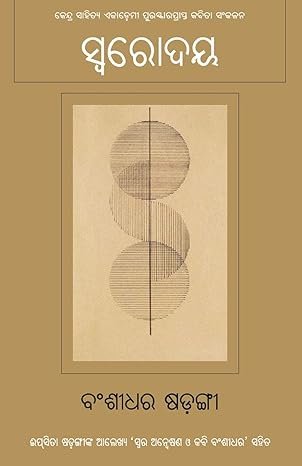
Swarodaya
₹150.00‘Swarodaya’ is the Magnum Opus poetry collection which was awarded Central Sahitya Academy award in 2006. The poems in this collection richly inherit the classical transcendental Odia philosophy. The words seem the voice of mendicants reverberating through the stillness of the world. A pioneer of the minimalist tradition, the poet achieves ironic meanings for words by their unconventional use through word-imagery as he strives in the book to find out a new identity for Truth. By recreating the atmosphere of ancient mystical poetry, the poet offers a hope that life can be made meaningful by following the path of Truth and Righteousness.
-

Swayambara
₹300.00ସ୍ୱୟଂବରକୁ ନେଇ ଏହି ଉପନ୍ୟାସଟି ।
ସ୍ୱୟଂବରର ପ୍ରକୃତ ଅର୍ଥ ସ୍ୱୟମ୍ ବର ବରଣ କରିବା ସ୍ୱ ଇଚ୍ଛାରେ । ଏ ଦିଗରେ ସ୍ୱୟଂବରା ହିଁ ସ୍ୱତନ୍ତ୍ର । କିଂତୁ ସୀତା, ଦ୍ରୌପଦୀ ଇତ୍ୟାଦି ପ୍ରାଚୀନ ଯୁଗୀୟ ସ୍ୱୟଂବରାମାନେ ପୁରାଣ ବର୍ଣ୍ଣିତ ତଥ୍ୟ ଅନୁଯାୟୀ ସ୍ୱୟମ୍]ର ଇଚ୍ଛାରେ ବର ବରଣ କରି ଥିବାର ବର୍ଣ୍ଣନା ନାହିଁ । ସ୍ୱୟଂବର ପାଇଁ କୌଣସି ନା କୌଣସି କଠୋର ସର୍ତ୍ତର ଅବତାରଣା କରାଯାଇଛି । ସର୍ତ୍ତପୂରଣକାରୀଙ୍କ ଗଳାରେ ବରମାଲ୍ୟ ଦେବାକୁ ଏଠି ସ୍ୱୟଂବରା ବାଧ୍ୟ । ଏ କେମିତିକା ସ୍ୱୟଂବର? କେମିତି ପରଂପରା ଏ, ପୁଣି ଋଷି-ମୁନି-ଜ୍ଞାନୀ-ବେଦର ଭୂୂମି ଏ ଆର୍ଯ୍ୟାବର୍ତ୍ତ ଭାରତ ବର୍ଷରେ, ନା-ଏହାର ଅନ୍ତରାଳରେ କିଛି ରହିଚି ଗୂଢ଼ ରହସ୍ୟ, ଯାହା ଅପ୍ରକାଶ୍ୟ ଏବଂ ପରଂପରାର ପୃଷ୍ଠଧରମାନେ ଏ ରହସ୍ୟକୁ ପ୍ରକାଶ କରିବାକୁ ଉଚିତ ମଣିନାହାନ୍ତି ?
ଏଥିରେ ମୁଖ୍ୟତଃ ସୀତା, ଦ୍ରୌପଦୀ ଓ ସଂଯୁକ୍ତାଙ୍କ ବହୁଚର୍ଚ୍ଚିତ -ସ୍ୱୟଂବର ଗାଥାକୁ ଉପନ୍ୟାସର କଥା ଶୈଳୀରେ ପରିବେଷଣ କରାଯାଇଛି । ସେହି ସେହି କାହାଣୀରେ ଛପି ରହିଥିବା ଯୁକ୍ତିନିଷ୍ଠ, ତର୍କସିଦ୍ଧ ସତ୍ୟ ଓ ରହସ୍ୟର ଉନ୍]ମୋଚନ କରାଯାଇଛି । ଏତଦ୍]ଭିନ୍ନ କେବଳ ସ୍ୱୟଂବରର ରହସ୍ୟ ଉନ୍]ମୋଚନ ନୁହେଁ, ସ୍ୱୟଂବରାଙ୍କ ପରବର୍ତ୍ତୀ ଜୀବନର କ୍ରମପରିଣାମ ତଥା ଜୀବନର କିଛି କିଛି ମାର୍ମିକ ମୁହୂର୍ତ୍ତର ଝଲକ୍ ଦିଆଯାଇଚି କଥା ପ୍ରସଂଗରେ । ସ୍ୱୟଂବରର ବର୍ଣ୍ଣନା ବ୍ୟତିରେକେ ଏକ ଐତିହାସିକ ରୂପକାହାଣୀକୁ ଏଥିରେ ସ୍ଥାନିତ କରାଯାଇଛି-ତାହା ହେଉଛି ପଦ୍ମାବତୀଙ୍କ ପରିଣୟ କଥା । ସବୁ କାହାଣୀ ଅବତାରଣାର ମୂଳରେ ନିର୍ଦ୍ଦିଷ୍ଟ ଏକ ଉଦ୍ଦେଶ୍ୟ ଭାବରେ ନିହିତ ଅଛି- ସେହି ଚିରନ୍ତନ ପ୍ରଶ୍ନ- ଯୁଗେ ଯୁଗେ ନାରୀ ନିର୍ଯ୍ୟାତିତା କାହିଁକି? ସାରା ଜୀବନ ପୁରୁଷକର୍ତ୍ତୃକ ସମାଜ ବ୍ୟବସ୍ଥା ଦ୍ୱାରା ଲହୁଲୁହାଣ ହୋଇଛି-ହେଉଛି ନାରୀ କାହିଁକି -କାହିଁକି ପୁରାଣ, ଇତିହାସର କାହାଣୀ ଭିତରେ ଉପନ୍ୟାସର ଆଦ୍ୟରୁ ପ୍ରାନ୍ତଯାଏ ଜଡ଼ିତ ହେଇ ରହିଚି, ସାଂପ୍ରତିକ ନାରୀ ଜୀବନ-ସଂଘର୍ଷର ଏକ ରୋମାଞ୍ଚକର କଥାସୂତ୍ର । ଏହି କଥାସୂତ୍ର ହିଁ ଉପନ୍ୟାସର ମୁଖ୍ୟଧାରା । ଯାହାର ଉପକ୍ରମଣିକାରୁ ଆରମ୍ଭ ହେଇ ଉପସଂହାରରେ ବିଲୟ ଘଟିଚି ।
-

Tales from Shakespeare
₹300.00A retelling of the comedies and tragedies of Shakespeare, Tales from Shakespeare by Charles and Mary Lamb brings together twenty stories, simplified for the young reader. Beginning with ‘The Tempest’ and ending with ‘Pericles, Prince of Trye’, it includes the summaries of some of Shakespeare’s most memorable and influential works. While the comedies have been written by Mary, the tragedies have been penned down by Charles. One of the bestselling books of the nineteenth century, Tales from Shakespeare continues to remain a popular children’s classic more than two centuries after its first publication in 1807.
-

Tanmaya Dhuli
₹200.00ଧୂଳିକଣା ପକ୍ଷରେ କ’ଣ ନକ୍ଷତ୍ର ପର୍ଯ୍ୟନ୍ତ ପହଞ୍ଚିବା ସମ୍ଭବ? ଅସମ୍ଭବ ନିଶ୍ଚୟ । ତେବେ କ’ଣ ଚେଷ୍ଟା କରାଯିବ? ତାହାହିଁ ସଂଗତ । ମଣିଷ ପ୍ରେମରେ ଅସଂପୂର୍ଣ୍ଣ, ସିଦ୍ଧାନ୍ତ ଘେନିବାରେ ଅନିଶ୍ଚିତ ଆଉ ମୃତ୍ୟୁ ସମ୍ମୁଖରେ ବଡ଼ ଅସହାୟ; ତଥାପି ସେହି ଅସମର୍ଥ ଜୀବନ ଘେନି କବି ଗାଲିବଙ୍କର ସେହି ସଂଗତ କାର୍ଯ୍ୟଟିକୁ ସେ କରି ଚାଲିଥାଏ ଚିରକାଳ, ସୂର୍ଯ୍ୟାଭିସରଣରେ ସମୁଦ୍ୟତ କରିଥାଏ ନିରନ୍ତର । ବ୍ୟର୍ଥତା ଅବଶ୍ୟ ଅମୋଘ । ତେବେ ଯାହାକୁ ଆମେ ବ୍ୟର୍ଥତା କହୁଛେ ତହିଁର ଅପର ପ୍ରାନ୍ତରେ ବିଦ୍ୟମାନ ରହିଛି ପରମ ସାର୍ଥକତା, ଶୂନ୍ୟର ଅପର ପ୍ରାନ୍ତରେ ବର୍ତ୍ତମାନ ଅଖଣ୍ଡ ପୂର୍ଣ୍ଣତା, ବ୍ୟବଧାନ ଅସେତୁ ସମ୍ଭବ । ବିରହ ଅବସ୍ଥା ହିଁ ତେଣୁ ଚୈତନ୍ୟ ପୀଡ଼ିତ ମଣିଷର ବଂଚିବାର ଏକମାତ୍ର ସର୍ତ୍ତ ଓ ପାଥେୟ । ପ୍ରେମରେ ଉତ୍ତୀର୍ଣ୍ଣତା, ମିଳନରେ ଚରିତାର୍ଥତା – ଯାହା ସର୍ବଦା ଅନୁପସ୍ଥିତ । ଭଲ କବିଏ ତେଣୁ ଅମୃତର ଆକାଂକ୍ଷା ଓ ସଂଧାନ ଘେନି କବିତା ଲେଖିଥାନ୍ତି । ଯାହା ଅଲବ୍ଧ ଓ ଅପ୍ରାପଣୀୟ ତାହାରି ପାଇଁ ଶେଷକଥା । ବିରହ ଦୁଃଖ ମୂଲ୍ୟବାନ । କବିତାର ବିଶେଷତ୍ୱ ଏଇଠି, ମୂଲ୍ୟ ବି । କବିତା ମୂଲ୍ୟବାନ କେବଳ କବିତା ବୋଲି ନୁହେଁ, ତାହା ଚୈତନ୍ୟର ପ୍ରସୂନ ବୋଲି ମୂଲ୍ୟବାନ । ଆଉ ଚୈତନ୍ୟ ମାନେ ଆଧ୍ୟାତ୍ମିକ । କବି ପ୍ରତିଭା ଶତପଥୀ କବିତାରେ ସେହି ଅମୃତ ସଂଧାନରେ ଅଭିସରଣ ସମୁତ୍ସୁକ । ତାଙ୍କ କବିତାକୁ ତେଣୁ ଅଧ୍ୟାତ୍ମ ଭାବନାରୁ ବିଚ୍ଛିନ୍ନ କରି ଦେଖି ହୁଏ ନାହିଁ । ସେ କବିତା ଲେଖନ୍ତି ଅଧ୍ୟାତ୍ମ ଐତିହ୍ୟର ଉତ୍ତରାଧିକାର ଘେନି । ସେଇଥିପାଇଁ ତାଙ୍କ ‘ଶବରୀ’, ‘ତନ୍ମୟଧୂଳି’ ଓ ‘ଅଧା ଅଧା ନକ୍ଷତ୍ର’ ପରି କବିତା ସଙ୍କଳନର ରଚନା ।
-

Tapamatra
₹140.00କାହାଣୀରେ ଜୀବନ ଥିଲେ କାହାଣୀ ହୁଏ ହୃଦ୍ୟ । ଜୀବନରେ କାହାଣୀ ଥିଲେ ଜୀବନ ହୁଏ ଭବ୍ୟ । ଦେବପ୍ରିୟ ପ୍ରିୟଦର୍ଶୀ ଚକ୍ରଙ୍କର ଗଳ୍ପଗୁଡ଼ିକରେ ଜୀବନ ଦିଶିଯାଏ । ତେଣୁ ଗଳ୍ପଟିଏ ଆରମ୍ଭ କଲେ ଶେଷ କରିବାକୁ ମନ ବଳେ । ବେଳେବେଳେ ଚମକାଇ ଦିଏ ‘ପଜଲ୍]’ ଭଳି ଗଳ୍ପ ଯାହା ଘଟିବା ଉଚିତ୍ ନହେଲେ ମଧ୍ୟ ସମାଜରେ ଘଟୁନାହିଁ ବୋଲି କହିହେବ ନାହିଁ । ତାଙ୍କର ‘ଭାତବାଲା’ ଗଳ୍ପ ସତ୍ୟର ଗଳ୍ପରୂପ ପରି ଲାଗେ, ହୃଦୟକୁ ଛୁଏଁ । ତାଙ୍କର ଗଳ୍ପଗୁଡ଼ିକ ଆକାଶରୁ ଉଲ୍]କା ଭଳି ଖସନ୍ତି ନାହିଁ, ମାଟିରୁ ପାଦତଳର ଘାସ ଭଳି ମୁଣ୍ଡ ଟେକନ୍ତି, ସମାଜର ଚିତ୍ରପଟ ପାଲଟିଯାଆନ୍ତି । ଦେବପ୍ରିୟଙ୍କର ହାତମୁଠାରେ ଜୀବନ କଥାକୁହେ । ତାଙ୍କର ଗାଳ୍ପିକ ଜୀବନ ସମ୍ଭାବନାମୟ । ଅଶେଷ ଆଶୀର୍ବାଦ ।
– ପ୍ରତିଭା ରାୟ
ଦେବପ୍ରିୟଙ୍କ କାହାଣୀରେ ନାଟକ ଅଛି, କବିତାର ଝଲକ ଅଛି । ଅନେକ ଗପ ଏକ ନିଶ୍ୱାସରେ ପଢିବା ଭଳି । ସାଧାରଣ ଜୀବନ ଭିତରେ ଅସାଧାରଣ ଚରିତ୍ରକୁ ଆବିଷ୍କାର କରିବାରେ ତାଙ୍କର ରହିଛି ଅଦ୍ଭୁତ ଦକ୍ଷତା ।
– ତରୁଣକାନ୍ତି ମିଶ୍ର
ଜଣେ ସଚେତନ ଓ ସଂଯତ ଗାଳ୍ପିକ ରୂପେ ନିଜର ପରିଚୟ ସୃଷ୍ଟି କରିିଥିବା ଦେବପ୍ରିୟ ଚଳନ୍ତି ସମୟର ଅନ୍ୟତମ ଅଗ୍ରଣୀ ଯୁବ ଲେଖକ । ଓଡ଼ିଆ ଗଳ୍ପର ପ୍ରବାହଧାରାକୁ ଅବିରତ ପ୍ରଖର କରିବାଦିଗରେ ତାଙ୍କର ଯୋଗଦାନ ଉଲ୍ଲେଖନୀୟ । ଦେବପ୍ରିୟଙ୍କ ଗଳ୍ପର କଥାବସ୍ତୁ ତାଙ୍କ ଅନୁଭୂତିରୁ ଉପଜାତ ଏବଂ ଉପସ୍ଥାପନା ଶୈଳୀ ଅଭିନବ ।
-ସଦାନନ୍ଦ ତ୍ରିପାଠୀ
ଦେବପ୍ରିୟ ସମକାଳର ଜଣେ ଅନୁଭୂତିସଂପନ୍ନ ନିଷ୍ଠାପର କଥାକାର । ତାଙ୍କ ଗଳ୍ପର ଆତ୍ମା – ବଳିଷ୍ଠ କାହାଣୀ, ସାମାଜିକ ବାସ୍ତବତା ଓ ପ୍ରତ୍ୟକ୍ଷ ଅନୁଭବର କଳାତ୍ମକ ଉପସ୍ଥାପନ । ବର୍ଣ୍ଣନାର ସଂକ୍ଷିପ୍ତତା ଓ କଥାକୁହା ଭାଷାର ପ୍ରୟୋଗ ଯୋଗୁ ଆରମ୍ଭରୁ ଶେଷ ଯାଏ ସ୍ରୋତର ଅନୁକୂଳରେ ପାଠକକୁ ଭସାଇନିଏ ତାଙ୍କ ଗପ ନଈର ମଝଧାର । ଓଡ଼ିଆ ସାହିତ୍ୟର ଗପ ପୃଥିବୀରେ ଦେବପ୍ରିୟ ପାଠକୀୟତାର ସଶକ୍ତ ଯୁକ୍ତାକ୍ଷର ।
-ଭୀମ ପୃଷ୍ଟି
-
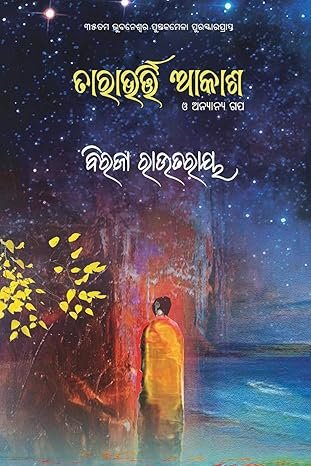
Tarabharti Aakash O Anyanya Gapa
₹280.00This collection has 30 short stories written in a poetic style. The collection has received 35th Bhubaneswar Pustakmela award in 2019.
Born in 1973, Dr. Biraja Routray is a powerful voice among contemporary voices in Odia short stories. His short stories and poems are around the variance of the day-to-day life of a common man. He remains in the continuous search of life and shares his experience in the form of short stories with readers. His five short story collections are ‘Gahali Arapakhe, ‘ ‘Bahubachan, ‘ ‘Pratipakshara Hasa, ‘ ‘Bishama Bahu, ‘ ‘Purna o Sunya.’ He also has four poetry collections and a collection of essays to his credit.
-

Tarjani
₹225.00Tarjani (Index Finger) is a collection of fourteen short stories which appeared earlier in well-known Odia magazines and were loved by readers. These stories are based on day-to-day lives of individuals, exploring human behaviour, personal beliefs, loneliness and even idiosyncrasies. Some social customs have been lampooned without any pedagogical pretensions. Joy and pain have both been celebrated with clever twists. The themes are varied, some of them being quaint tales told with simplicity and detachment. The title story starts with death but ends with life, exploring generational relationships. Subtle humour is used as an effective tool in many stories. The author is nowhere condescending but has assumed the role of a detached reporter of life as it moves. Readers will find every story a compelling read, urging them not to put the book down.
-

Tathapi Asiba Pheri
₹200.00କବିତା ଯେ ନୀରସ, କଠୋର ହୃଦୟରୁ ବାହାରି ପାରେନା? ତେବେ ଝରଣାର ଜନ୍ମ ହୁଏ କିପରି, କେଉଁଠାରୁ, କାହା ଛାତି ଚିରି? କବିତା ଓ ଝରଣା ମଧ୍ୟରେ ଆପଣ ପ୍ରଭେଦ ବାରିପାରିବେ ନିଶ୍ଚିତ, କିନ୍ତୁ କେତେଟା? ଝରଣା ପ୍ରବହମାନ। କବିତା ପ୍ରବହମାନ। ଝରଣା ନାରୀଟିଏ। କବିତା ନାରୀଟିଏ। ଉଭୟରେ ଭଗିନୀ, ଜନନୀ, ଜାୟା, ମାତାମହ ଆଦି ଶବ୍]ଦର ଜୀବନ୍ତ ସଂଜ୍ଞା ରହିଛି। କବିତା କେତେବେଳେ ନଦୀ, କେତେବେଳେ ଝରଣା। କବିତାକୁ ଦନ୍ତୁରତା ରୋକିପାରେନା।
ଆଜି ସେ ନାହାଁନ୍ତି। ଥିଲେ କେତେ ଭଲ ହୋଇଥାଆନ୍ତା। ମୋର ସବୁ ବହି, ମୋର ପ୍ରଗତିକୁ ଦେଖି ସେ କେତେ ଖୁସି ହୋଇଥାଆନ୍ତେ, ସେଇଥିରେ ମୋର ପେଟ-ମନ-ଆତ୍ମା ପୂରିଉଠି ଥାଆନ୍ତା। ତାଙ୍କରି ପାଇଁ, ତାଙ୍କରି ଯାତ୍ରାପଥ ପାଇଁ, ତାଙ୍କରି ଆସିବା ଓ ଯିବା, ଯିବା ଓ ଆସିବା ପାଇଁ ଏଇ ପଥ- ଏଇ ଶବ୍]ଦ ପଥ।
-

Tathapi Sunyata
₹200.00‘Tathapi Sunyata’ is novelist Vanumati Sahoo’s twelfth novel. The novel depicts lively and philosophically the contemporary human nature that reflects pathos, agony, despair, happiness, aspirations, love, affection and splendour of life. Like her previous novels, this novel will undoubtedly touch the hearts of the readers.