-
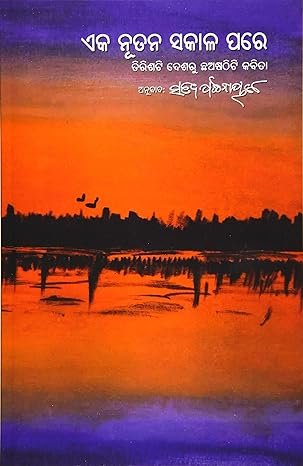
Eka Nutan Sakal Pare
₹200.00Eka Nutan Sakal Pare is an anthology of sixty six poems in Odia translation from thirty countries. The poets include Walt Whitman, Anna Akhmatova, Tomas Transtromer, Pablo Neruda, Sylvia Plath, Rumi, Sappho, Ryokan, Ezra Pound, Robert Frost, Nicanor Parra and many younger poets. The purpose of this anthology is to introduce the work of these poets to Odia readers. A short biography of the poets is included at the end of the book.
-
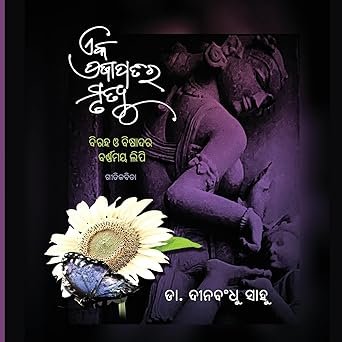
Eka Prajapatira Mrutyu
₹600.00“Eka Prajapatira Mrutyu” is a lyrical long poem by poet Dr. Dinabandhu Sahoo, who is a doctor by profession and a poet and painter by passion. There are illustrations to support each poem. All the illustrations are done by the poet himself.
-
-15%

Ekabana Ekathi
Original price was: ₹800.00.₹680.00Current price is: ₹680.00.ଦି’ ହଜାର ସାତ ମସିହାରେ ପ୍ରକାଶ ପାଇଥିଲା ମୋର ନିର୍ବାଚିତ ଗଳ୍ପ ସଂକଳନ ‘ପିଛିଲା ପଚିଶ’, ଯଦିଓ ତା’ର ପ୍ରକାଶ ପାଇବା ଉଚିତ ଥିଲା ଦି’ ହଜାର ମସିହାରେ, ଗପ ଲେଖାର ପଚିଶ ବର୍ଷ ପୂରୁଥିବା ସମୟରେ। ସେ ବହିଟି ବେଶି ସଂଖ୍ୟକ ପାଠକଙ୍କ ପାଖରେ ପହଞ୍ଚିଥିଲା କି ନାହିଁ ତାହା ନେଇ ମୋର ସନ୍ଦେହ। ସେଥିପାଇଁ ୨୦୨୬ରେ, ଗପ ଲେଖାର ଏକାବନ ବର୍ଷ ପୂର୍ତ୍ତି ଅବସରରେ ଯେତେବେଳେ ‘ଏକାବନ ଏକାଠି’ର ପ୍ରକାଶ ପ୍ରସ୍ତାବ ଆସିଲା ବାସ୍ତବରେ ମୁଁ ଭାରି ଆନନ୍ଦିତ ହେଲି। ପୁରୁଣା ଗପଗୁଡ଼ିକୁ ଆଉଥରେ ଏକାଠି ଦେଖିବାର ଇଚ୍ଛା ମୋତେ କିଛି ସମୟ ପାଇଁ ଭାବପ୍ରବଣ କରିଦେଲା।
‘ଏକାବନ ଏକାଠି’ର ପରିକଳ୍ପନା, ରୂପାୟନ ଏବଂ ପ୍ରକାଶନ ପାଇଁ ମୋର ଏକାଧିକ ବନ୍ଧୁ ଓ ପରିବାର ସଦସ୍ୟ ଧନ୍ୟବାଦାର୍ହ। ଗତ ଅର୍ଦ୍ଧଶତାବ୍ଦୀ ଭିତରେ ଭାରତ ଏବଂ ଓଡ଼ିଶା ବହୁତ ବଦଳିଯାଇଛି। ମୋର ଗପ ପଛରେ ଛାଡ଼ିଆସିଥିବା ସେହି ସମୟର ଗପ, ମୁଁ ଜିଇଥିବା ଜୀବନର ଗପ ଏବଂ ମୁଁ ଭୋଗିଥିବା ସମସ୍ୟାମାନଙ୍କର ଗପ। ପାଠକମାନେ ଦେଖିବାକୁ ଚାହିଲେ, ଏ ଗପଗୁଡ଼ିକର ଧାଡ଼ି ଭିତର ଦେଇ ସେହି ଭାରତ ଓ ଓଡ଼ିଶା, ତା’ର ସହର ଓ ଗାଁ, ସର୍ବୋପରି ମୋ ପିଲାଦିନର ନଈକୁ ମଧ୍ୟ ଦେଖିପାରିବେ। ସେ ନଈର ନାଆଁ ମନ୍ତେଇ, ଯିଏ ମୋ ପାଇଁ ଖାଲି ନଈଟିଏ ନୁହେଁ, ବହିଯାଉଥିବା ଗୋଟେ ଗପବହି।– ଗୌରହରି ଦାସ, ୯ ଅକ୍ଟୋବର ୨୦୨୬, ଭୁବନେଶ୍ୱର, ଭାରତ
-
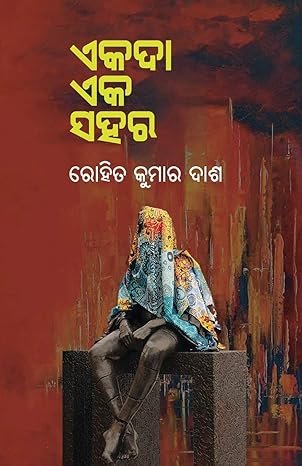
Ekada Eka Sahara
₹250.00This is fourth short story collection from the author. It has twenty three finely written powerful short stories written on city backdrop that would mesmerize the readers. Rohit Kumar Dash was born on 6th October 1958 in a remote village Katapali of Bargarh district. He has published three short story collections and two poetry collections to his credit. His works have been translated in other Indian languages and anthologized.
-
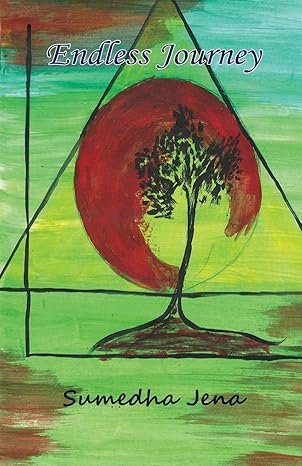
Endless Journey
₹150.00Endless Journey has twenty one poems written by Sumedha Jena. About the poems of this book Sumedha says, “A majority of the poems written in this book aren’t from my own experiences, rather they are from seeing other people experience something similar. A lot of the poems are also exaggerated to give the reader a better understanding and insight about what they’re reading. At a young age, I realized that life is not always a happy journey, and that one has to always endure hardships along the way in order to reach a successful point in their life. I wrote these poems targeting anybody who has gone through something similar in life. I felt like if I write poetry based on these topics, someone might be able to relate to them. This book is basically about the transition of coming out of a dark, angry, and an unhappy place into a more radiant world.”
-
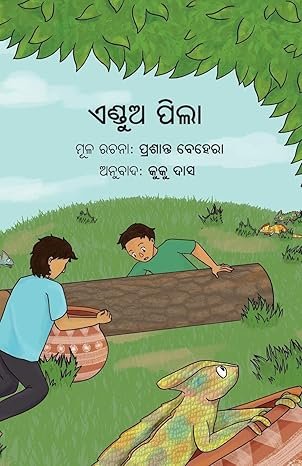
Endua Pila
₹150.00*The Chameleon Boys* is a heartwarming tale set in a quaint Indian village, following five mischievous cousins known for their summer adventures. When young Karina visits her family in India, she discovers old photographs of her uncles as children and becomes captivated by their playful antics. Her father shares stories of their escapades, revealing how they earned their nickname through clever pranks and a deep connection to nature, particularly chameleons.
As summer unfolds, the boys embark on a thrilling quest inspired by clues from an ancient priest, leading them on a journey to uncover a hidden treasure. Filled with excitement, friendship, and a love for the outdoors, the story celebrates the simple joys of childhood and the enduring bonds of family.
-

Eros and Thanatos
₹250.00In Greek mythology, Eros was the Greek god of love and sex. In the Theogony of Hesiod (700 BCE), Eros was a primeval god, son of Chaos(the original primeval emptiness of the universe) but later tradition made him the son of Aphrodite(goddess of sexual love and beauty) by either Zeus (the king of the gods), Ares (god of war and of battle), or Hermes (divine messenger of the gods). Eros was a god not simply of passion but also of fertility. His brother was Anteros( the god of mutual love) who was sometimes described as his opponent. The chief associates of Eros were Pothos and Himeros (Longing and Desire). Roman counterpart of Eros was Cupid . Eros has the ability to make mortals and gods fall in love by shooting them with his bow and arrow. This would work on both mortals and gods. Thanatos, in ancient Greek religion and mythology, was the personification of death. Hesiod thought that Thanatos was the son of the Nyx (goddess of the night) and the Erebus (god of darkness). This makes Thanatos dark and negative. His twin brother is Hypnos, the god of sleep. He appeared to humans to carry them off to the underworld when the time allotted to them by the Fates had expired. It is believed Thanatos to be always nearby Eros. They are brothers. One represents the life and creation and another death and destruction. In Greek mythology, Eros is the god of love, and Thanatos is the god of death, making them opposite of one another. Eros is portrayed as nice, compassionate, loving, and full of life. This is how Eros came to represent the instinct of life. People who are driven by life instincts are often happy, compassionate, and social. Thanatos is associated with violent death and would be called upon by gods who wished to inflict death upon one another. Thanatos often manifested anger, violence, and aggression. These characteristics are portrayed in those who are driven by death instincts.
This collection has 69 poems. Under Eros 35 and under Thanatos 34.
-
Essentials of Employee Counselling
₹900.00Counselling is an ever-expanding universe. Since we live in a world characterized as volatile, uncertain, complex, and ambiguous (VUCA World), pressures are building on our multi-faceted roles. The need for counselling is experienced for parents, teachers, administrators, and service-providers. A prominent sector of counselling service is the organizational context. With an increasing influx of women into our work force, the employees’ population presents a formidable challenge. The multi-dimensionality of problems and multi-cultural context of working population the scenarios become further complicated. Fortunately, the growth of knowledge and multiplication of techniques has offered immense possibilities. The advance of neuroscience has added insights to our remediation process. Counselling principles customized to employees’ needs constitute a valuable tool box in our immediate surroundings. With the hope of helping management students, I have attempted the introductory text. However, general readers would also have the benefit of understanding their roles as informal counsellors.
-

Eternal Echoes: Mythological Retelling from Odisha
₹300.00The stories included in this collection have been systematically selected from various notable anthologies of Odia short fiction, each contributing to the recontextualization of myth within contemporary literary frameworks. Gopinath Mohanty’s “Hail to Kichak” (Jay Kichak) is sourced from Gopinath Mohanty Shrestha Galpa (The Best Stories of Gopinath Mohanty), edited by Jatindra Mohanty and published by Chaturanga Prakashani (1996). Hemant Kumar Das’ “I Am Alone in the Hermitage” (Ashrama re Ekaki Mu) is derived from his collection Hey Surya, Hey Akasha (Oh Sun, Oh Sky), published by Anand Prakashan, Cuttack (2001). Pratibha Ray’s “Devaki” (Devaki) and Rabi Patnaik’s “Sterile Gandhari” (Bandhya Gandhari) are drawn from the anthology Samasamayika Odia Galpamala (Contemporary Odia Short Story Collection), edited by Bibhuti Pattanaik and published by the National Book Trust (2000). Ratnakar Chaini’s “Yashoda” (Yashoda) is extracted from his short story collection Rutu ra Nama Pipasa (The Name of the Season is Thirst), published by Odisha Book Store (1980). Padmaja Pal’s “The Sorrow of Chandrasena” (Chandrasena ra Dukha) has been selected from Shreshtha Odia Galpa Sankalana, compiled by Mahapatra Nilamani Sahoo and published by the Odisha Sahitya Academy (1985). Ramachandra Behera’s “Gopapur” (Gopapur) is sourced from his anthology of the same title, published by Bidya Prakashan (2003). Chandra Sekhar Rath’s “Ravan” (Ravana) and “Sunset of Yadu Dynasty” (Yadu Bansha re Suryasta) are drawn from Chandra Sekhar Rath Galpa Samahara (The Short Story Collection of Chandra Sekhar Rath), volumes 1 and 2 respectively, published by Swastik, Bhubaneswar (1982). Uma Shankar Mishra’s “The Wheel of Salvation” (Moksha Chakra) is derived from Swadhinottara Odia Khyudra Galpa (Post-Independence Odia Short Stories), part 1, compiled by Satakadi Hota and published by the Sahitya Akademi (2002). “Whisper of the Setting Moons” (Asta Jahnara Prasatabana) by Gourahari Das has been personally collected from the author for inclusion in the collection.
-
-

Ezra Pound Kabita
₹200.00Ezra Pound Kabita is a selected poetry collection of the eminent American poet Ezra Pound in Odia translation. Originally published in 1958 by a passionate publisher Prafulla Chandra Das, the poems are translated by eminent Odia author and translator Gyanindra Varma. The book was awarded Odisha Sahitya Akademi award for translation in 1958. Preface of this book is written by eminent American turned British poet T.S.Eliot. There is also a note from Ezra Pound addressed to the publisher. Translator’s note is an excellent piece of essay readers must read. A great work for Odia poetry lovers.
-
Face, Surface, Interface: Ontology of Odia Culture
₹600.00This is the first explorative book on culture that interprets the rock evidences, tribal and other religious pantheons, politics, and theory of architecture, folk arts, mythology and performing arts of Kalinga, Kosala and Utkala, politically reformulated in 1936 as Orissa.
Having exposed and combined the concepts of culture envisaged by Weber, Durkheim and Parson, the study approaches toward post modern discourse: phenomenology, cultural anthropology and structuralism. The book also determines how transmission of knowledge is central to culture and narrates through its five sections how Odia culture is linked to power in conscious and unconscious ways; how it is insidious, sporadic and ubiquitous; and, of course, how the Odia cultural ideologies, in rare moments, transcend rational boundaries.