-
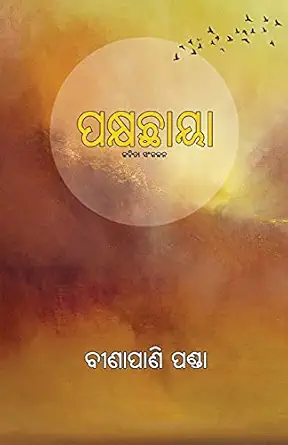
Pakshyachhaya
₹180.00ମୁହୂର୍ତ୍ତରୁ ମନ୍ୱନ୍ତର, ମନ୍ୱନ୍ତରରୁ ମୁହୂର୍ତ୍ତ ।
ବିଂଦୁରୁ ବିସ୍ତୃତି, ବିସ୍ତୃତିରୁ ବିଂଦୁ ।
ଆଁରୁ ଆକାଶ, ଆକାଶରୁ ଆଁ ।
ଉତ୍ତରଣ, ଅବତରଣ, ପ୍ରସାରଣ, ସଂକୋଚନର
ସାତ୍ତ୍ୱିକ ଶୃଙ୍ଗାର କବିତା । ତା’ ଦିନଦିନର
ଦିନଲିପିରେ ଅସୁମାରି ଶିଳା, ଶାଳଗ୍ରାମ,
ସମୁଦ୍ର, ସୈକତ, ଅହଲ୍ୟା, ଅବନ୍ତୀକାର
ଆତ୍ମକଥନ । କ୍ରୋଧ, କାରୁଣ୍ୟ, ପ୍ରେମ,
ପ୍ରାର୍ଥନା, ଦେହ, ଦ୍ରୋହ, ବିଶ୍ୱାସ,
ବୈରାଗ୍ୟ, ସମୟ ଓ ସଂଶୟର
ଅନୁତ୍ତରିତ ପ୍ରଶ୍ନଚିହ୍ନ । ସେ କେବେ
ମୌନ, କେବେ ମୁଖର, କେବେ
ଉଦାସୀନ । ଏମିତି ଏକ ଉଦାସ
ଅବଲୋକନର ଆତ୍ମିକ ଅଙ୍କନ
‘ପକ୍ଷଛାୟା’। କେଉଁଠି କେତେ
ଛାୟାପାତ କରିବ ଜାଣେନା । ହୁଏତ
ନକରିପାରେ ମଧ୍ୟ । ତଥାପି ବିଶ୍ୱାସ
ଅଛି ଧଳାମେଘ, ସ୍ୱଚ୍ଛ ସରସୀ ଓ
ଆଶ୍ୱିନର ଅକ୍ଷତ ଜହ୍ନ ଉପରେ ।
ସେମାନେ କବିତା ସହ ଅଛନ୍ତି ।
କବିତା ସେମାନଙ୍କ ସହ ଅଛି ।
-
Panchabhuta
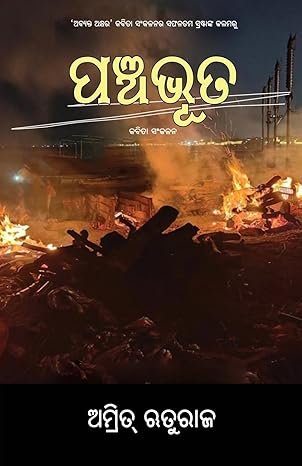
₹200.00ସମ୍ବେଦନାରେ ରତ ରତ ମଣିଷପଣିଆକୁ ଗରମ ତେଲରେ ଯେତେ ଛାଣିଲେ ବି ସେ ଜଳିକି ଯେମିତି ପୋଡା ଅଙ୍ଗାର ହୁଏନି, ମରଣ ବି ସେମିତି ଜୀବନର ସତ୍ତାକୁ ସମ୍ପୂର୍ଣ୍ଣ ନିର୍ବାପିତ କରିପାରେନି । ମୃତ୍ୟୁ ଗୋଟେ ସାମୟିକ ବିଶ୍ରାମସ୍ଥାନ ଭଳି ଅଟକେଇ ଦିଏ ଏକ ମହାର୍ଘ ପର୍ଯ୍ୟଟନକୁ । ତା’ ପରେ ବି ଆତ୍ମା ବୁଲେ, ପ୍ରଦିକ୍ଷଣ କରେ । ମୃତ୍ୟୁର ଆତ୍ମଜୀବନୀ ଉତ୍ତରଣ ହେଇଛନ୍ତି କବିତାର ପ୍ରଥମ ଭାଗରେ ।
ଦ୍ୱିତୀୟ ଭାଗ ଆରମ୍ଭ ହୋଇଛି ଆତ୍ମାର ଆତ୍ମକଥାରୁ । ମଲା ପରେ କ’ଣ ହୁଏ? ଏ ପ୍ରଶ୍ନ ଅସମାହିତ ଥିଲା ଆଉ ରହିବ ମଧ୍ୟ । କିନ୍ତୁ କଳ୍ପନାର ପାଟ ଗହୀର ତା’ ବୋଲି କ’ଣ ବୀଜବପନରୁ ବଂଚିତ ହୋଇ ପଡିଆ ପଡିବ ? ଶରୀର ପରିତ୍ୟାଗ ପରେ ଆତ୍ମାର ବି ତ ସ୍ୱାଧୀନତା ଅଛି ନା । ଇହ ଲୋକର ଜଞ୍ଜାଳ ଭିତରେ ବାନ୍ଧି ହୋଇ ସେ ଧଳା-କଳା, ଇହୁଦୀ-ମୁସଲମାନ, ବ୍ରାହ୍ମଣ-କ୍ଷତ୍ରୀୟ, ପୁରୁଷ-ନାରୀ, ତାମିଲ-ଫରାସୀ, ଭାରତୀୟ-ମାର୍କିନ୍ ଇତ୍ୟାଦି କେତେ କେତେ ପରିଚୟ ନେଇ ବଞ୍ଚୁଥିଲା । ପ୍ରତିଟି ପରିଚୟ ଗୋଟେ ଗୋଟେ ବିଭାଜନକାରୀ । ତେବେ, ମୃତ୍ୟୁ ପରେବି କ’ଣ ଆତ୍ମା ଇଏ ପରିଚୟର ସଂକୀର୍ଣ୍ଣତାକୁ ବୋଝ ପରି ବୋହୁଥିବ?
କବିତାର ଦ୍ୱିତୀୟ ଭାଗ ଉପରୋକ୍ତ ପ୍ରଶ୍ନ ସବୁର ଉତ୍ତର ଖୋଜିବାକୁ ଉପତ୍ୟକାରୁ ଉପତ୍ୟକା ବିଚରଣ କରିଛି । ନାନା ଜୀବନ୍ତ, ଜଡ ଉପାଦାନଙ୍କୁ ଭେଟିଛି । ହୁଏତ ବାସ୍ତବ ଉତ୍ତରରେ ପହଞ୍ଚିଛି କି ପହଞ୍ଚିନି ସେକଥା ପାଠକଙ୍କ ବ୍ୟକ୍ତିଗତ ଅନୁଶୀଳନ ଉପରେ ନିର୍ଭରଶୀଳ, କିନ୍ତୁ ଏତିକି ଥୟ ଯେ ଆତ୍ମା ସହ ପାଠକ ମାନେ ମଧ୍ୟ ଏକ ଅତି ଭୌତିକ ପର୍ଯ୍ୟଟନରେ ସାମିଲ ହେବେ । ଏବଂ ଆଶା ଯେ ଆତ୍ମା ସହ ଏଇ ପରିଭ୍ରମଣ ସାଂପ୍ରତ୍ତିକ ଜୀବନର ଅବଶୋଷ, ଜଞ୍ଜାଳ, ଯନ୍ତ୍ରଣା ମାନଙ୍କୁ ମଧ୍ୟ ଅନେକ ପରିମାଣରେ ଆପଣଙ୍କ ମାନସିକ ବୋଝରୁ ଓଲ୍]ହାଇ ଆପଣଙ୍କୁ ହାଲୁକା ଓ ସତେଜ ଅନୁଭବ କରିବାରେ ସହାୟକ ହେବ । ଆତ୍ମନ୍ ଓ ବ୍ରହ୍ମ ଏକ ହେଇପାରେ କିମ୍ବା ଅଲଗା ହେଇପାରେ, ମଣିଷ କିନ୍ତୁ ସ୍ୱଇଚ୍ଛାରେ ସ୍ୱାଧୀନତା ସହ ବଞ୍ଚୁ ଓ ସମ୍ବେଦନଶୀଳତାର ପୁଷ୍କରଣୀରେ ସବୁବେଳେ ଶରୀର ପ୍ରକ୍ଷାଳନ କରୁ, ମୃତ୍ୟୁ ଓ ଆତ୍ମା; ଉଭୟଙ୍କର ଏତିକି କାମ୍ୟ ।
–ଅମ୍ରିତ୍]
-
Parikrama
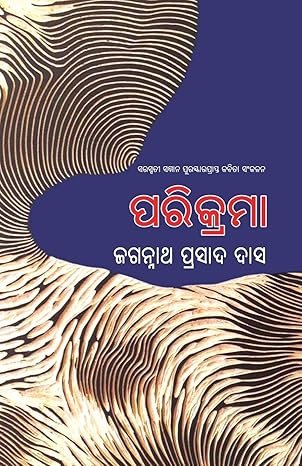
₹140.00Parikrama, a collection of poems, is a series of meditation on life and death, on the nature of time and above all remarkably on the art of writing poetry. One of thirty poems, entitled “There are No Islands”, gives an idea of the favorite theme and images of JP’s poetry. Parikrama has received Saraswati Samman in 2006.
-
Pasanara Prema Sangeeta
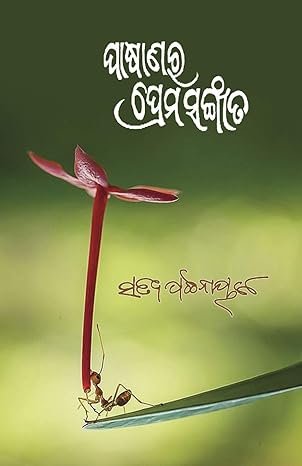
₹130.00Pasanara Prema Sangeeta was originally published in 2013 by Bharat Bharati, Cuttack. This is the international edition for global Odia readers. The collection has sixty one poems written in two spans – some poems are written between 1983 and 1984 and some are in 2012. Half of the poem “Jibanachhanda” is written in 1984 and other half in 2012. Many poems are written around the immigrant’s feelings and nostalgia.
-
Patha Antahina
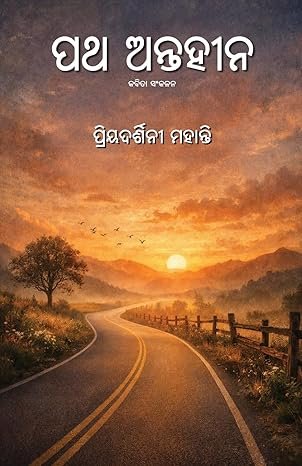
₹200.00ମୁଁ ଜଣେ ସାଧାରଣ ମଣିଷ ଓ ମୁଁ ପ୍ରକୃତିର ପୂଜକ । ନିତିଦିନର ବାସନା, ଇଚ୍ଛା, ହସ, ଖୁସି, ଆମ ସମାଜର ଚଳଣି, ମତେ ପ୍ରଭାବିତ କରେ ।
ଜୀବନର ସୁଖ, ଦୁଃଖ ଆଶା ନିରାଶା, ଆମ ସମାଜ ଓ ସଂସ୍କୃତିକୁ ମୁଁ ଯେତିକି ସମ୍ମାନ ଦିଏ, ଆମ ସମାଜର ଦୁର୍ବଳତା ପ୍ରତି ମଧ୍ୟ ମୋର ଧ୍ୟାନ ଯାଏ । ମୁଁ ମୋ କବିତା ସରଳ ଓ ସ୍ୱାଧୀନ ଭାବରେ ବ୍ୟକ୍ତ କରିବାକୁ ଚେଷ୍ଟା କରେ । ଭାବେ କବିର କଳ୍ପନା ଓ ଚିନ୍ତାଧାରା ସଦା ଜୀବନ୍ତ । ଏଥିରେ ବୟସର ସୀମା ନଥାଏ । ନିଜର କଳ୍ପନା, ବାସ୍ତବତା, ସାମାଜିକ ଜୀବନ ଶୈଳୀ ଏବଂ ପୃଥିବୀର ପ୍ରାକୃତିକ ପରିବେଶ ସହ ନିଜର କଳ୍ପନା ହିଁ ତାର ପ୍ରେରଣାର ଉତ୍ସ । ସେ କେବଳ ନିଜକୁ ବ୍ୟକ୍ତ କରିବାକୁ ଚାହେଁ । ପୃଥିବୀର ବାସ୍ତବିକତାକୁ ନେଇ ସେ ତାର ମନ ଓ ମତ ପ୍ରକାଶ କରିଥାଏ ।
ମୋର କବିତାଗୁଡ଼ିକ ଆଜିକାଲିର ବହୁତ ସମୟ ଉପଯୋଗୀ ବିଷୟ ବସ୍ତୁ ଉପରେ ଆଧାରିତ । ଏଇ କବିତାଗୁଡ଼ିକ ପ୍ରକୃତିର ବର୍ଣ୍ଣନା ଓ ସୌନ୍ଦର୍ଯ୍ୟର ଉପାସନା ସଙ୍ଗେ ସଙ୍ଗେ ସାମାଜିକ ନ୍ୟାୟ, ପ୍ରଥା ଓ ସମସାମୟିକ ବିଷୟବସ୍ତୁ ଉପରେ ଆଲୋକ ପ୍ରାପ୍ତ କରୁଛି ଏହାହିଁ ଏ କବିତା ସବୁର ଲକ୍ଷ୍ୟ ।
ଆଶାକରେ ଆପଣମାନେ ମୋ କବିତା ପଢ଼ି ମତେ ଆନନ୍ଦିତ କରିବେ ।
—ପ୍ରିୟଦର୍ଶିନୀ ମହାନ୍ତି
-
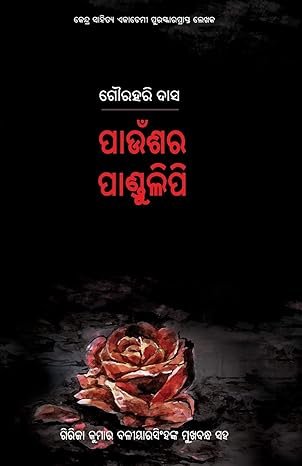
Paunshara Pandulipi
₹130.00Paunshara Pandulipi (The Manuscript of the Ashes), a collection of twenty-five love songs of Sahitya Akademi award winner author Gourahari Das define the life of love and imagination that endows thrilling moments of beauty leading the readers to strange areas of experience- to love, to bleed, to pine for that and be lost at last in its immortality. In the back drop of the subtle melancholy of the mellifluous lyrical verses resembling ghazals and in the romantic style the sad longings of a bleeding heart are a series of painted pictures meant to be read and enjoyed. The eloquent spontaneity of the overflowing emotions is sure to make the readers engrossed in the energy of the poet’s romanticism. This is another masterpiece of Gourahari who is a well-known fictionist, playwright and travel-writer.
-
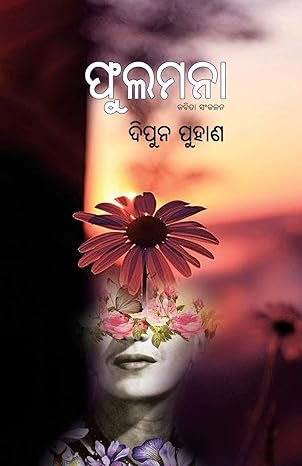
Phulamana
₹140.00Phulamana is an exquisite amalgamation of a myriad of divergent perspectives, cherishing both centripetal individualistic beliefs and ideas beyond the confinement of terrestrial bondages. Odes in “Phulamana” are embellished with expressions of inner- turmoil to blissful acceptance and from captivity to the liberation in a cerulean sky. Dream, need, and desire, all are magnified on the bare chest of “Phulamana”.
-
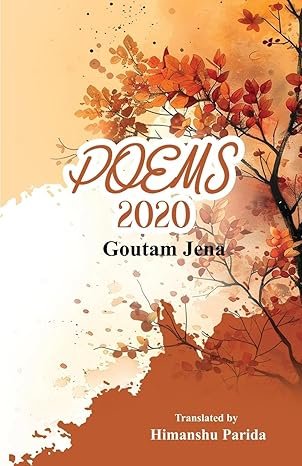
Poema 2020
₹250.00The collection has 42 poems on different topics and subjects. The book starts with the address of the poet to his own self and gets the reader ready for giving the readers as if a preparatory lesson for experiencing his poetry in their own life. Many of the poems of Goutam Jena are more of a confessional statement. Sometime his excess of obsession with certain topics makes him biased and full of eulogy. But he has a tremendous skill of resolution in the poem comprising different views. The poet’s declaration of his personality is in the following words in his poem; ‘To Me’
“I have never been in advertisements.
Thrown into the dustbin
I wait for someone to pick me up
Considering me as a valuable
Then I am precious.
If I am thrown as a piece of glass
I lie as a piece of glass only.
If you mix up diamond with pieces of glass
Who has the skill to separate it off!
Only a perfect eye can find the difference
That it is of worth.”
The above statement speaks of what the poet is. The poet wants to create a different world of his own where his words shall be his own. The topics chosen by the poet, e.g. Lockdown, In search of Happiness, India that is India, Love for Country, Traitor etc. are definitely from a wide canvas which does not restrict the poems to a specific time period. Rather for the poet the poetic world is an extraction of events from the huge field of time just to understand the reason behind a great chain of events.
-
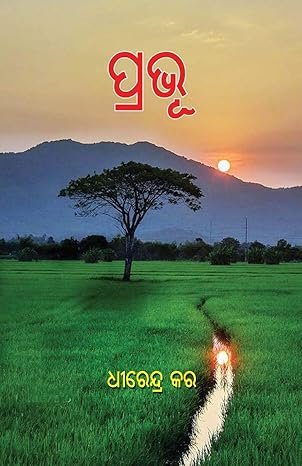
Prabhu
₹160.00This is a collection of poems written by Prasanta Bhunya and presented to readers by Dhirendra Kar, a literature lover and an ardent reader. The poems in this collection reflect the various aspects of Prasanta Bhunya’s poetic ability and word power.
-
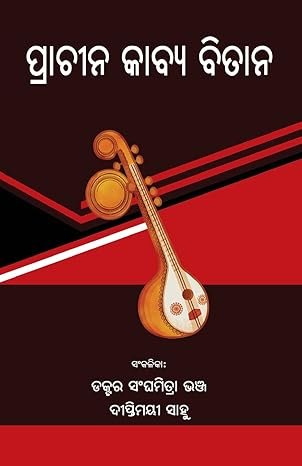
Prachina Kabya Bitana
₹600.00‘ପ୍ରାଚୀନ କାବ୍ୟ ବିତାନ’ ପ୍ରାଚୀନ କାବ୍ୟ-କବିତାଗୁଡ଼ିକୁ ନେଇ ଏକ ଉଚ୍ଚକୋଟୀର କାବ୍ୟ ସଂକଳନ । ଏଥିରେ ପ୍ରାକ୍ ସାରଳା, ସାରଳା, ପଞ୍ଚସଖା ତଥା ମଧ୍ୟଯୁଗର ବିଶିଷ୍ଟ କାବ୍ୟ-କବିତା ସଂଗୃହିତ ହୋଇଛି । ପ୍ରାଚୀନ ଓଡ଼ିଆ ଭାଷା-ସାହିତ୍ୟର ଦୁର୍ଲ୍ଲଭ କାବ୍ୟ-କବିତାଗୁଡ଼ିକୁ ଗୋଟିଏ ସଂକଳନୀ ଭିତରେ ଖୋଜି ପାଇବାର ଏହା ଏକ ଅଭିନବ ପ୍ରୟାସ । ଆଶା କରୁଛୁ, ସଂକଳନସ୍ଥ କାବ୍ୟ-କବିତା ଗୁଡ଼ିକ ଖୁବ୍ ସହଜରେ ପାଠକୀୟ ଆଦୃତିଲାଭ କରିପାରିବ ।
-
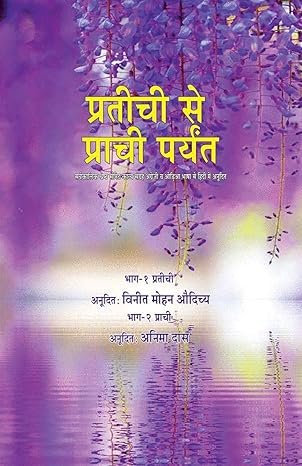
Pratichi se Prachi Paryant
₹300.00The sonnet is possibly the oldest poetic form which has been practiced by poets worldwide. “PRATICHI SE PRACHI PARYANT” is an anthology of translated Hindi sonnets from western countries (translated by Vineet Mohan Audichya) and from Odia (translated by Anima Das). Western poets whose sonnets are part of this anthology include – William Shakespeare, John Milton, William Wordsworth, John Keats, Robert Frost, Edna St. Vincent Millay and many others. Odia poets whose sonnets are taken in this anthology include – Madhusudan Rao, Gangadhar Meher, Baikunthanath Patnaik, Mayadhar Mansingh, Sachi Routray, Guruprasad Mohanty, Ramakant Rath, Girija Kumar Baliarsingh, Binapani Panda and many others. This anthology would add a special flavor and place in Hindi translation poetry.
-
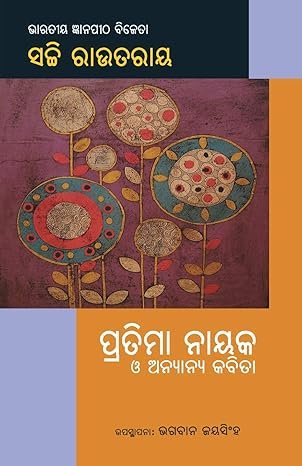
Pratima Nayak O Anyanya Kabita
₹250.00An exponent of progressive literature in Odisha, Sachi Routray was the first poet to introduce prose -verse in Odia poetry. His poems signaled the advent of a renaissance in the literary domain of Odisha. His free verse forms, his conventional imagery, his down-to-earth realism, his masterly representation of the cause of the lost and the neglected and the lowest in society made himself the harbinger of the impending spring of modernity in Odia poetry. Selected from his writings, Dr. Bhagaban Jayasingh has presented Sachi Routray’s which would effortlessly touch the reader’s heart and consciousness.