-
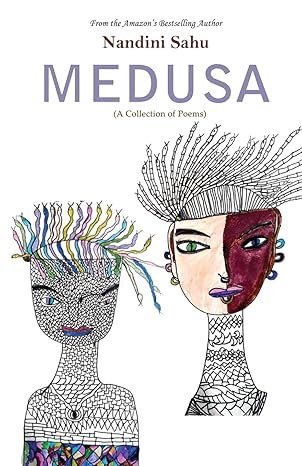
Medusa
₹300.00Nandini Sahu’s tenth poetry collection Medusa problematizes the Quixotic idea of the divide between the perfect women as put on a pedestal by the society and the real women of flesh and blood with all her powers, retreats, insecurities and follies. The poems are about the dichotomy of accepting the construct of the perfect Muse and the unending search for it-while using Greek mythology with Indian text and context at the backdrop. The radical title Medusa poses an elemental question, why ‘Medusa’? What is the Indian milieu and status quo here?
Well, the poems in the collection, Medusa, are the riposte!
-
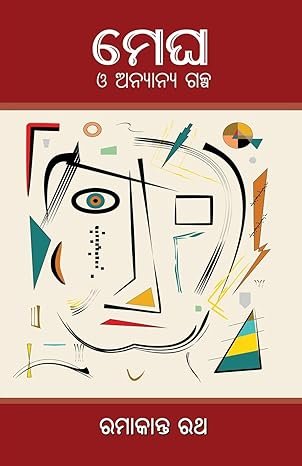
Megha O Anyanya Galpa
₹180.00ମୁଁ ଗଳ୍ପଲେଖକ ନୁହେଁ । କଲେଜ ମାଡ଼ିବାର କେତେଦିନ ପରେ ଲେଖିବା ଆରମ୍ଭ କଲି । ସେତେବେଳେ କବିତା ଓ ଗଳ୍ପ ଉଭୟ ଲେଖୁଥିଲି । ଦୁଇ ତିନିବର୍ଷ ପରେ ମୋର ହୃଦ୍]ବୋଧ ହେଲା ଯେ ଗୋଟିଏ ମାଧ୍ୟମ ପାଇଁ ବି ମୋର ସାମର୍ଥ୍ୟ ନାହିଁ, ଗୋଟିଏକୁ ନଛାଡ଼ିଲେ ମୋର ଅବସ୍ଥା ଦୁଇ ନାହାରେ ଗୋଡ଼ ରଖିଥିବା ଲୋକର ଅବସ୍ଥା ପରି ହେବ । ଯାହାକୁ ପାଖରେ ରଖିଲି, ଅର୍ଥାତ୍ କବିତାକୁ, ତା ପ୍ରତି ଯେ ନ୍ୟାୟ କରିପାରିଲି ତାହା ନୁହେଁ, କିନ୍ତୁ ଅନିଚ୍ଛା ବା ଉଦ୍ୟମର ଅଭାବ ତା’ର କାରଣ ନୁହେଁ ।
ବହୁତ ବର୍ଷର ବ୍ୟବଧାନ ପରେ, ୧୯୭୭ ମସିହାରେ, ଏ ସଙ୍କଳନର ପ୍ରଥମ ଗଳ୍ପ (ମହିଷାସୁରବଧ) ଲେଖିଲି । ତା’ପରେ, ମଝିରେ ମଝିରେ, ଯେଉଁ କେତୋଟି ଗଳ୍ପ ଲେଖିଥିଲି ସେଗୁଡ଼ିକ ଏ ସଙ୍କଳନର ଅନ୍ତର୍ଭୁକ୍ତ । ଏତେ ବର୍ଷ ଭିତରେ ଏତେ ଅଳ୍ପ ସଂଖ୍ୟକ ଗଳ୍ପ ଲେଖିଥିବାରୁ ପ୍ରମାଣିତ ହେବ ଯେ ମୁଁ ଗଳ୍ପ ସାହିତ୍ୟର ମୁଲକରେ ଜଣେ ପର୍ଯ୍ୟଟକ, ତା’ର ଅଧିବାସୀ ନୁହେଁ । ସଂଖ୍ୟା ଆହୁରି ଅଳ୍ପ ହୋଇଥା’ନ୍ତା ଯଦି ଗଳ୍ପ ସଂକଳନଟିଏ ପ୍ରକାଶ କରିବା ପାଇଁ କେତେକଙ୍କର ଆଗ୍ରହ ଦୃଷ୍ଟିରୁ ଓ ପୁସ୍ତକର ଆକାରକୁ ଟିକିଏ ମର୍ଯ୍ୟାଦାବନ୍ତ କରିବା ଦୃଷ୍ଟିରୁ ଶେଷ ଛଅଟି ଗଳ୍ପ ଲେଖିନଥାନ୍ତି ।
ଗଳ୍ପ (କ୍ଷୁଦ୍ର ହେଉ ବା ଉପନ୍ୟାସର ବିଷୟ ପରି ଦୀର୍ଘ ହେଉ) ଓ କବିତା ଭିତରେ ବୋଧହୁଏ କିଛି ମୌଳିକ, ଗୁଣାତ୍ମକ ପାର୍ଥକ୍ୟ ନାହିଁ । ଭଲ କବିତାଟିଏ ପରି ଭଲ ଗଳ୍ପଟିଏ ପାଠକକୁ ଅସ୍ଥିର କରେ, ପୁଣି ଅସାର୍ଥକ ଗଳ୍ପ ଓ ଅସାର୍ଥକ କବିତା ସମାନ ଭାବରେ ବ୍ୟର୍ଥ । ଏକଥା ଅବଶ୍ୟ ସତ ଯେ ଗଳ୍ପରେ ଯାହା ଓ ଯେପରି କୁହାଯାଇ ପାରିବ କବିତାରେ ତାହା ଓ ସେପରି କୁହାଯାଇ ପାରିବ ନାହିଁ, ଯେପରି କବିତାର ସବୁ ଉଚ୍ଚାରଣ ଗଳ୍ପରେ ବି ବ୍ୟକ୍ତ କରାଯାଇ ପାରିବ ଭାବିବା ଭୁଲ୍ ହେବ । ସେମାନଙ୍କର ପରସ୍ପରର ସ୍ୱତନ୍ତ୍ର ସଂସାର ଅଛି, ସେମାନଙ୍କର ମଣିଷମାନେ ଅଲଗା ଅଲଗା ଜିନିଷ ଦେଖନ୍ତି, ଅଲଗା ଅଲଗା ଭାଷାରେ କଥା କହନ୍ତି ।
ପର୍ଯ୍ୟଟନର ମିଆଦ୍ ସରିଗଲା ପରି ଲାଗୁଛି । ଯଦି ନଫେରେ, ଏ ମୁଲକର ଅଧିବାସୀଙ୍କୁ, ଆକାଶକୁ, ପାଣିକୁ, ପବନକୁ, ବୃକ୍ଷଲତାଙ୍କୁ ଓ ଦିନରାତିଙ୍କୁ ବିଦାୟ ।
-

Meghaduta (Kalidasa’s Meghadutam)
₹210.00ମହାକବି କାଳିଦାସଙ୍କ ରଚିତ ‘ମେଘଦୂତ’ ହେଉଛି ବର୍ଷାର କାବ୍ୟ । ବିଶ୍ୱକବି ରବୀନ୍ଦ୍ରନାଥ ଟାଗୋର କହନ୍ତି- “ମେଘଦୂତ ଛଡ଼ା ନବବର୍ଷାର କାବ୍ୟ ଆଉ କୌଣସି ସାହିତ୍ୟରେ କେଉଁଠି ନାହିଁ । ଏଥିରେ ବର୍ଷାର ସମସ୍ତ ଅନ୍ତର୍ବେଦନା ନିତ୍ୟକାଳର ଭାଷାରେ ଲିଖିତ ହୋଇଯାଇଛି । ପୃଥିବୀର ସାଂସରିକ ମେଘୋତ୍ସବର ଅନିର୍ବଚନୀୟ କବିତ୍ୱଗାଥା ମାନବର ଭାଷାରେ ବାନ୍ଧି ହୋଇଯାଇଛି ।”
-
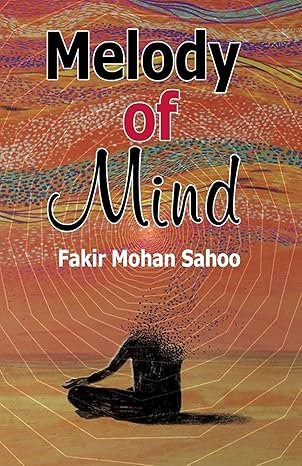
Melody of Mind
₹300.00Based on the latest discoveries of psychology, neuroscience, and applied behavioural analysis, the book offers conceptual inputs and practical guidelines. Specific attention has been paid to combat depression and uplift positive mental resources. Topics include:
– Preventing the bad
– Promoting the good
– Genes are not destiny
– Combating depression
– Second brain the gut
– Flow: Mechanism of living
– Savouring
– Spirituality
– Mediation
– Psychological resilience
-
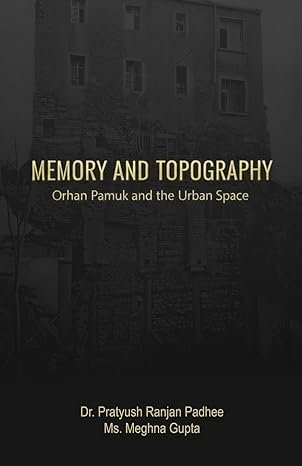
Memory and Topography: Orhan Pamuk and the Urban Space
₹350.00Memory and Topography: Orhan Pamuk and the Urban Space is a critical nonfiction that examines how cities are shaped by both memory and architecture. Grounded in Orhan Pamuk’s Istanbul: Memories and the city, the book explores how personal recollection quietly redraws urban maps in tension with state-sanctioned planning and homogenizing spatial agendas. Istanbul emerges as a palimpsest of layered histories, emotions, and overlooked lives that resist erasure, revealing the city not as a static monument but as a living text rewritten by longing, nostalgia, and everyday experience. Extending beyond literary analysis into urban practice, the study positions memory as an ethical guide to planning and design. Although rooted in Istanbul, the book extends to case studies from Mumbai, Jodhpur, Seoul, Bhubaneswar (Odisha) and many others from a global context, showing how memory-led renewal reconciles heritage with contemporary urban needs. These projects model continuity rather than rupture, framing preservation as an expression of spatial justice rather than nostalgia. Advancing the framework of memory-sensitive urbanism, the book advocates planning as an act of remembrance rather than erasure. Ultimately, it envisions the city as a living archive in which memory and modernity dynamically coexist to shape urban life.
-
-
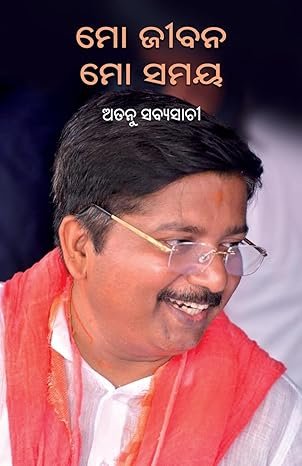
Mo Jibana Mo Samaya
₹250.00ପାଠକମାନଙ୍କ ଉଦ୍ଦେଶ୍ୟରେ ଏତିକି କହିବାକୁ ଚାହୁଁଛି ଯେ, ଏ ପୁସ୍ତକ ନବୀନବାବୁଙ୍କ ସହିତ ମୋର ଆବେଗିକ ସଂପର୍କ ତଥା ପ୍ରତ୍ୟକ୍ଷ ରାଜନୀତିରେ ମୋର ସ୍ଥିତିକୁ ନେଇ କେବଳ ନୁହେଁ, ଓଡ଼ିଆ ସାମ୍ବାଦିକତା କ୍ଷେତ୍ରରେ ତତ୍କାଳୀନ ବହୁ ପରିବେଶ, ବହୁ ଘଟଣା ତଥା ମୋ ଜୀବନ ସଂଘର୍ଷର ସେହି ଦୀର୍ଘ ବର୍ଷଗୁଡ଼ିକର ସ୍ମୃତିଚାରଣ ମଧ୍ୟ । ସାମ୍ବାଦିକତାର ବୃତ୍ତିଗତ ଆତ୍ମସନ୍ତୋଷ ଭିତରେ ମୋ ବାପାଙ୍କ ସୂକ୍ଷ୍ମ ରାଜନୀତିକ ପ୍ରଭାବ ହେତୁ ଅନିର୍ଦ୍ଦିଷ୍ଟ ମୋ ଜୀବନ, ବୃତ୍ତିଗତ ମୋ କର୍ମ ଏବଂ ବିଧିନିର୍ଦ୍ଦିଷ୍ଟ ମୋ ନିୟତିକୁ ଏକପ୍ରକାର ସ୍ୱପ୍ରବାହରେ ପ୍ରବାହିତ କରିନେଇଥିବା ପରି ମୋର ମନେହୁଏ ।
ପ୍ରତି ମଣିଷର ଜୀବନ ଦୁଇଟି ସ୍ଥିତିରେ ବନ୍ଧା ପଡ଼ିଥାଏ, ଗୋଟିଏ ଅତୀତ ଆଉ ଗୋଟିଏ ତା’ର ବର୍ତ୍ତମାନ । ଅତୀତ ମାନେ ହିଁ ତ ସ୍ମୃତି । ଅତୀତ ଯାହାକୁ ଦିନେ ମଣିଷ ମୁହୂର୍ତ୍ତ ଆଉ କ୍ଷଣମାନଙ୍କ ମଧ୍ୟରେ ଭୋଗିଥାଏ, ଅଙ୍ଗେ ନିଭେଇଥାଏ ଏବଂ ବର୍ତ୍ତମାନରେ ପହଞ୍ଚିଥାଏ । ବର୍ତ୍ତମାନର ମୁହୂର୍ତ୍ତସବୁ ପୁଣି ପ୍ରସ୍ତୁତ ହେଉଥାନ୍ତି ଅତୀତ ହେବାକୁ । କାଳଖଣ୍ଡର ଏଇ ପ୍ରହେଳିକା ଭିତରେ ସଭ୍ୟତାର ଗତି ଓ ପରିଣତି ଖୁବ୍ ବିସ୍ମୟକର ସତରେ! ସ୍ମୃତିମଖା ଅତୀତରୁ ତେଣୁ ମଣିଷଟିଏ କେବେହେଲେ ମୁକ୍ତ ହୋଇପାରେ ନାହିଁ ।
ମୋ ଜୀବନକଥା ହୁଏତ ଏ ଜାତି ଓ ସମାଜ ପାଇଁ ଉଲ୍ଲେଖନୀୟ ପ୍ରତୀତ ହୋଇ ନ ଥାଆନ୍ତା, କିନ୍ତୁ ମୋ ଜୀବନର ଆଧାରବୃତ୍ତ ସାଜିଥିବା କିଛି ବିଶେଷ ସମୟର କଥା ଓ ବ୍ୟକ୍ତିସତ୍ତାଙ୍କ ଯୋଗୁଁ ହିଁ ମୋ ଜୀବନକଥା ପାଠକମାନଙ୍କୁ ମୂଲ୍ୟବାନ ମନେହେବ ବୋଲି ଆଶା କରୁଛି ।
-
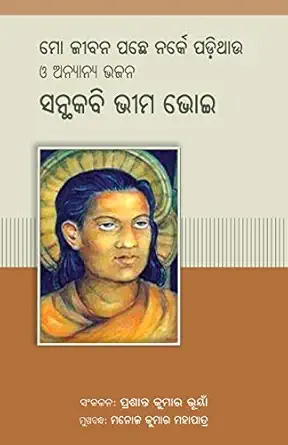
Mo Jibana Pacche Narke Padithau O Anyanya Bhajan
₹200.00“ପ୍ରାଣୀ ଙ୍କ ଆରତ ଦୁଃଖ ଅପ୍ରମିତ ଦେଖୁ ଦେଖୁ କେବା ସହୁ, ମୋ ଜୀବନ ପଛେ ନର୍କେ ପଡିଥାଉ ଜଗତ ଉଦ୍ଧାର ହେଉ ।”
“witnessing the plethora of plights on earth how one could bear with; let the world get redeemed at my cost” – Bhima Bhoi’s these signature lines have been inscribed on the wall of the United Nations Organization (UNO) Hall in various languages. This collection has his most popular 108 bhajans which would take the readers to a different state of mind.
-

Mo Mrutyu Purbaru Ketoti Muhurta O Anyanya Kabita
₹150.00This collection is a selected poems of Kamalakanta Lenka, selected by the poet himself. This has 37 poems of various themes written at different times.
-
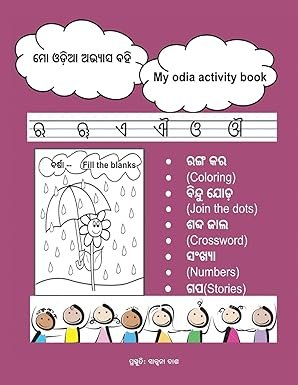
Mo Odia Abhyasa Bahi
₹100.00My Odia activity book helps the child to practice Odia letters, coloring, join the dots, crossword, numbers and stories. You may buy this author’s “My Odia Book” if you have not it before.
-
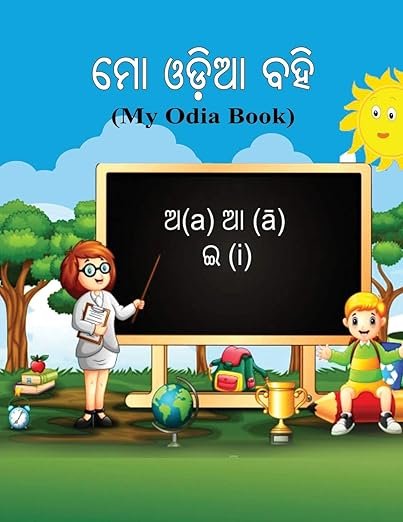
Mo Odia Bahi
₹130.00“ମୋ ଓଡ଼ିଆ ବହି” (My Odia book) is a great starting companion and a continuing companion as well, on a journey to learn the great Odia Language, one of the classical languages of India. The book encompasses extensive breadth of wisdom including Odia letters, vocabulary, sentence formation, common proverbs, prayers among others. These all come with numerous visual illustrations and practice tools. The purpose of the book is to make the readers understand the fundamentals and learn its applications in a very simple yet very interesting way. This will certainly be a great piece of asset for children to appreciate the language.
-

Mote Chinha
₹250.00ସତୀପ୍ରଥା ପରି ଏକ ଘୃଣ୍ୟ ପ୍ରଥା ବିଷୟରେ କିଏ ବା ଅବଗତ ନୁହଁନ୍ତି! ସମାଜରୁ ଏହି କୁପ୍ରଥା ଉଚ୍ଛେଦ କରିବାରେ ମୁଖ୍ୟ ପୁରୋଧା ସାଜିଥିବା ରାଜା ରାମମୋହନଙ୍କ ଭାଉଜଙ୍କ ସତୀ ହେବା ଘଟଣାର ବର୍ଣ୍ଣନା ମୋତେ ବିସ୍ମିତ କରିଥିଲା। ସ୍ୱାମୀଙ୍କ ମୃତ୍ୟୁ ପରେ ଅଲୋକାମଞ୍ଜରୀଙ୍କୁ ସତୀ ହେବା ପାଇଁ ଚିତାରେ ବସାଇଦିଆ ଯାଇଥିଲା। ଚିତାରେ ଅଗ୍ନିସଂଯୋଗ ପରେ ଲୋକମାନେ ସେଠାରୁ ଚାଲି ଆସିଥିଲେ। ଅଲୋକାମଞ୍ଜରୀ ନିଜକୁ ନିଆଁ ମୁହଁରୁ ବଞ୍ଚାଇ ଅଧାଜଳା ଅର୍ଦ୍ଧଉଲଗ୍ନ ଅବସ୍ଥାରେ ଏକ ବୁଦା ମୂଳରେ ଆତ୍ମଗୋପନ କରିଥିଲେ। କିନ୍ତୁ ସକାଳେ ତାଙ୍କୁ ଜୀବିତ ଥିବା ଦେଖିପାରି ଲୋକମାନେ ପୁଣି ଥରେ ନେଇ ତାଙ୍କୁ ଚିତାରେ ଜାଳି ଦେଇଥିଲେ। ଏପରି ଘଟଣା ମାନବତା ପ୍ରତି ଏକ ଶକ୍ତ ପ୍ରହାର ଅଟେ। ଏହି ଲୋମହର୍ଷଣ ଘଟଣାରେ ବ୍ୟଥିତ ରାମମୋହନ ସତୀପ୍ରଥା ଉଚ୍ଛେଦ ପାଇଁ ଆପ୍ରାଣ ଉଦ୍ୟମ କରିଥିଲେ। ଲେଖକ ଇତିହାସର ଏହି ବାସ୍ତବ ଚରିତ୍ର ସହ ଉପନ୍ୟାସର ମୁଖ୍ୟ ଚରିତ୍ର ସାବିତ୍ରୀ କୁଅଁରକୁ ତୁଳନା କରିଛନ୍ତି। ସେ କିନ୍ତୁ ଅଲୋକାମଞ୍ଜରୀଙ୍କ ପରି ସମାଜ ଓ ଅନ୍ଧବିଶ୍ୱାସ ଆଗରେ ହାରି ନ ଯାଇ ବଞ୍ଚିବା ପାଇଁ ସଂଘର୍ଷ କରିଛି। କିନ୍ତୁ ତାକୁ ତା ନିଜ ବାପାମାଆ ମଧ୍ୟ ଗ୍ରହଣ କରିବାକୁ ରାଜି ହୁଅନ୍ତିନି। ଏପରି ଅନେକ ଘଟଣା ଓ ଚରିତ୍ରର ନିଖୁଣ ବର୍ଣ୍ଣନା ଉପନ୍ୟାସକୁ ସୁଖପାଠ୍ୟ କରି ଗଢ଼ିତୋଳିଛି।
କିଛି ଘଟଣାବଳୀ ଓ ପ୍ରଥାକୁ ଲେଖକ ଯେପରି ବୈଜ୍ଞାନିକ ତର୍କ ମାଧ୍ୟମରେ ଉପସ୍ଥାପିତ କରିଛନ୍ତି ତାହା ଖୁବ୍ ଗୁରୁତ୍ୱପୂର୍ଣ୍ଣ। କହିବାକୁ ଗଲେ, ଏହି ତଥ୍ୟ ଗୁଡିକ ହିଁ ମୋତେ ବହିଟିକୁ ଅନୁବାଦ କରିବା ପାଇଁ ପ୍ରେରିତ କରିଛନ୍ତି କହିଲେ ଅତ୍ୟୁକ୍ତି ହେବନାହିଁ। ଆମର ଦୈବୀପୀଠଗୁଡ଼ିକ ବିଷୟରେ ସବିଶେଷ ଜାଣିବା ତାହା ପୁଣି ଏକ ବୈଜ୍ଞାନିକ ତର୍କ ଦେଇ… ନିଶ୍ଚିତ ରୂପେ ପାଠକକୁ ଏକ ନୂତନ ଅନୁଭୂତି ଦିଏ।