-
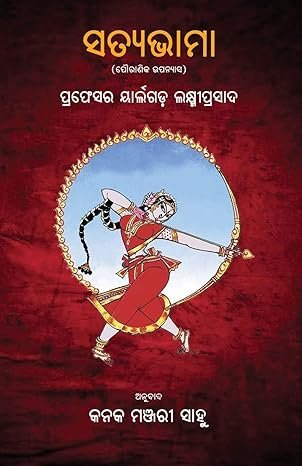
Satyabhama
₹240.00‘ସତ୍ୟଭାମା’ ହେଉଛନ୍ତି ଶ୍ରୀକୃଷ୍ଣଙ୍କର ଅଷ୍ଟମ ପାଟରାଣୀ । ପୁରାଣ ବର୍ଣ୍ଣିତ ସତ୍ୟଭାମାଙ୍କ ଜୀବନୀକୁ ନେଇ ଉପନ୍ୟାସଟିକୁ ପ୍ରସ୍ତୁତ କରିଛନ୍ତି ପ୍ରଫେସର ଲକ୍ଷ୍ମୀ ପ୍ରସାଦ । ସତ୍ୟଭାମା ଥିଲେ ଜଣେ ବୀରା ନାରୀ । ତାଙ୍କର ପରାକ୍ରମ ଏବଂ ଶ୍ରୀକୃଷ୍ଣଙ୍କ ସହିତ ପ୍ରେମ, ପ୍ରଣୟ ଏହି ଉପନ୍ୟାସର ବିଷୟବସ୍ତୁ ।
-
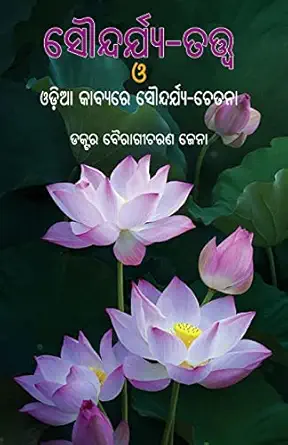
Saundarya Tatwa
₹500.00The concept of beauty and aesthetics is apparently an omnipresent and integral part of human lives since antiquity. As fragrance is hidden in the flower, fire in the wood and butter in milk, aesthetics and beauty is present in a subtle manner in every piece of art and writings of great poets from around the globe. In this context, this book by Professor Jena, is a classic text and research monograph which contains the results of his in-depth investigation on writing of several Odia poets, ranging from mediaeval to modern age. For the first time, he brought out the latent beauty in the Odia poetry and has compared the aesthetics practices of east and west with particular emphasis on poetry. This book reveals the aesthetic dimension of life of people of East, in particular of Odisha and is intended for use by people with literary aptitudes, students and researchers.
-

Sebarpita Sabyasachi
₹160.00ଲୋକପ୍ରିୟ ସିନେ ତାରକା ଶ୍ରୀ ସବ୍ୟସାଚୀ ମିଶ୍ର ସମ୍ପ୍ରତି ଜଣେ ସମାଜସେବୀର ଅଗ୍ରଣୀ ଭୂମିକା ଗ୍ରହଣ କରିଛନ୍ତି। କୋଭିଡ଼ ମହାମାରୀ ସମୟରେ ସେ ବହୁ ପ୍ରବାସୀ ଓଡ଼ିଆଙ୍କୁ ଘର ବାହୁଡ଼ାରେ ସାହାଯ୍ୟ କରି ଲୋକଲୋଚନକୁ ଆସିଥିଲେ। ତାଙ୍କର ଏହି ସେବା ମନୋଭାବକୁ ଲକ୍ଷ୍ୟକରି ବିଭିନ୍ନ ପ୍ରକାର ଦୁଃଖ କଷ୍ଟ ଭୋଗ କରୁଥିବା ବହୁ ଲୋକ ତାଙ୍କର ସାହାଯ୍ୟପ୍ରାର୍ଥୀ ହୋଇଛନ୍ତି। ସେ କାହାରିକୁ ନିରାଶ କରି ନାହାନ୍ତି। ସେଥିପାଇଁ ବିବିଧ ପରିସ୍ଥିତିରେ ତାଙ୍କର ସମ୍ପୃକ୍ତି ସମାଜ ସେବାର ଭିନ୍ନ ଭିନ୍ନ ଦିଗ ଓ ବହୁ ସଂଖ୍ୟକ ଘଟଣାର ଉନ୍ମୋଚନ କରିଛି। ତଦ୍]ଜନିତ ଘଟଣା ଗୁଡ଼ିକ ଏହି ପୁସ୍ତକରେ ସନ୍ନିବିଷ୍ଟ। ସେଗୁଡ଼ିକରେ ରହିଛି କାରୁଣ୍ୟ, ବିଷାଦ, ଦୁଃଖ ଓ ଯନ୍ତ୍ରଣା ଏବଂ ସେଥିରୁ ଉଦ୍ଧାର ପାଇବାର ଆନନ୍ଦ। ସତ୍ୟ ଘଟଣା ଆଧାରିତ ବାସ୍ତବଧର୍ମୀ ବର୍ଣ୍ଣନରେ ଏ ସଙ୍କଳନରେ ପାଠକଙ୍କ ପାଇଁ ରହିଛି ଏକ ନୂଆ ସ୍ୱାଦ, ଏକ ନୂଆ ଇଲାକାରେ ଯାତ୍ରାନୁଭୂତି। ଏହାର ପଠନ ଦ୍ୱାରା ପାଠକମାନେ ମହତ୍ କାର୍ଯ୍ୟ ସମ୍ପାଦନ ପାଇଁ ଅନୁପ୍ରାଣିତ ହେବେ ବୋଲି ଆଶା।
-
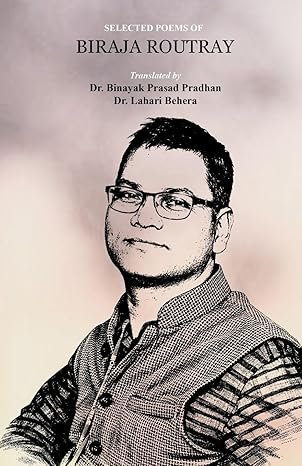
Selected Poems of Biraja Routray
₹250.00At times, life with all its uncertainties leaves us startled. Everything shatters in a jiffy, shaking the entire existence of human beings. The long cherished dreams are swept away like the cobwebs, bringing in a pall of gloom. Some of us give in or succumb to such uneven and unbecoming things and end up groaning under the weight of dejection. Only a few of us endure the misfortunes with a rare sense of endurance and resilience and undertake the path fraught with challenges and hardships. Dr. Biraja Routray is such a person who has undoubtedly undergone the toughest phase of his life but nothing has dampened his fighting spirit, mental agility and matchless creativity. Instead of being down in the dumps, he has emerged victorious by forging indomitable fortitude in the face of adversity. Dr. Biraja Routray is a name to reckon with. By dint of his inordinate passion, creative brilliance, social commitment and exceptional insights into human life, he has been ruling the hearts of legions of people all across the state. Be it administration, literature or social activism – he has left an indelible imprint on almost all the domains. Being a former Administrative Officer (OAS), writer and social activist, he has navigated the complex tapestry of life with elan and ease. His accomplishments when it comes to literature are absolutely incredible. His impressive literary oeuvre includes eight short story collections including Gahali Arapate (2007), Bahu Bachan (2010), Pratipakshyara Hasa (2001), Bisama Bahu (2013), Purna O Shunya (2016), Taravarti Akasha (2028), Nua Gapa Ra EMI (2024) and Sabu Modare Jibana (A Short Story Collection based on Disability), a recently published novel, Olatpur (2025) andfive books of poems in Odia. His poetry volumes include Kemiti Vijaye Barsha (2004), Atma Darshan (2007), Sandhikala (2011), Abhishek Hrudayara (2015) and Nua Janha Uinchhi (2024). His literary endeavours have tasted incredible success and won him multiple accolades. In recognition of his literary contribution, he has been conferred with numerous illustrious and coveted awards like Katha Naba Pratibha Puraskar, Kanhei Katha Puraskar, Utkal Sahitya Samaja Yuva Purskar, Rabi Patnaik Smruti Galpa Purskar, Bhubaneswar Pustak Mela Puraskar. Jagdish Yuva Sanman, Gokarnika Galpa Sanman and Sri Subrat Rath Smaraki Puraskar by Sri Gangadhara Rath. Apart from this, adding feather to his cap, he represented Odisha in All India Differently Abled Writers’ Meet-2023 organized by Kendriya Sahitya Akademi. Translating a writer like Biraja Routray is a tough job. His metaphors are unusual, multi layered and rich in association which renders them extremely difficult to translate. However, we have tried our best to retain the originality, intent, essence and lyricism of the poems during the transit from the source to the target language. Even though it is quite natural that while moving from source to target, certain things tend to fall through the cracks, we have made sincere efforts to make these poems sound and feel as natural and genuine as possible.
-
Selected Poems of Emily Dickinson
₹250.00Widely acknowledged as an original creator who defined her own rules for poetry, Emily Dickinson remained unsung during her lifetime, with very few published works. The unconventional brilliance of her poems was only discovered posthumously. Dickinson experimented with grammar, form, structure and expression of the poem. These innovations in her style of writing have influenced modern poetry. This collection of poems reveals her poignant, intellectual and emotional reflections on various themes.
-
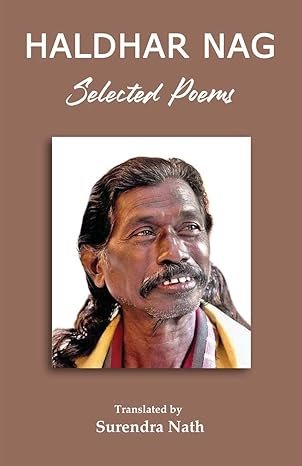
Selected Poems of Haldhar Nag
₹250.00“I have often wondered if Haldhar Nag graduated from a poetry school. Of course, that cannot be true, but my feeling arises from the abundance of figures of speech that appear in his poetry. Unknown to him, he sprinkles liberally the effects of alliteration, metaphors, internal rhyming, personification, onomatopoeia, and what have you in his usage. Ghensali (River Ghensali) is personification at its best, where the poet personifies a river in spate as a young lass in exuberance. And yes, he has come out with sonnets too. Read Ati (Too Much) to get a taste of Haldhar sonnet. The stanzas are spaced in 4, 4, 4, 2 lines, with a proper rhyme scheme. It leaves me in wonderment again – If he did not go to a poetry school, then did God plant all these literary usages in his head?
For the sound effect, listen to Chaetar Sakaal (The Morning of March) – twelve stanzas replete with
onomatopoeic works. Pity the translator who has to preserve the special effect in another language. I take recourse to the limitations of translation once again and state the obvious: Translations can never attain the beauty of the original. If we liken the original to an attractive painting, at best, the translation can be a replica or a photograph.
A hallmark of Haldhar Nag’s poetry is what I call the Haldhar twist. It is particularly prominent in his short poems. The poet takes an abrupt turn in the direction in the last stanza, not necessarily for summarizing or moralizing. The surprise turn in the final stanza, instead, leaves the readers with a ‘wow’ effect. Very many poems in this collection display the Haldhar twist – Our village Cremation Ground, A Cubit Taller, The Dove is my Teacher, and Old Banyan Tree, to name a few”, writes the translator in his prefix.
The collection has 60 poems.
-
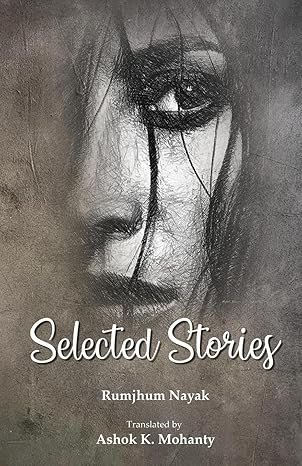
Selected Short Stories
₹400.00The first story – The Aroma of Kewda Flowers, is a result of a life almost lost and broken. The first love fails without any convincing reason. The lovers have never opened up to each other, rather they never tried, may be a chance factor plays an uncanny mischief, as a result Deepak and her infatuated girl friend drift apart. The woman, an IT professional maries a “shadow” for the “substance” never appears as except in a bitter grimace of memory in the narrator’s monologue. The marriage fails, life flows as rocky beds but the aroma of Kewda’s haunted her till the end.The poverty and fate-freewill conflict of the traditional stories narrated the pair of hunger, torture and victimhood. In the shifting paradigms of life when poverty is here, freedom is palpable and the human will is free to make choices in life, we get the same conflict (interval) and failure. Life is lost without a search for meaning.In the Lonely Bird (Eka Eka Pakhi Tie) almost the same failure of communication between winds, hearts and other civilized nuances. Desire for union is not dead but one takes the first step for reaching forward. The live confinements were limited, although today the internet is the connecting web. But the author by using the speech rhythms of modern people and by inter sparring the spoken Odia with English words is clearly reflected with our new reality. The cultural, moral and spiritual inheritance are all wasted in our bid to be of relevance on the digital civilization of present. The characters seem to be uprooted and never try to find or grow roots.The two stories which have reassured me that humanity is not lost, the goodness is not lost and humans can make their own fate even without education if they are assessed with some love and passion. Those two are in search of Happiness and the last Bouquet. Chemi and Sapana fight their imposed fate with their native talents. Chemi is in the rural area with inherited talents of making Ghee Pitha, “Chuda Muan” and Arisa etc. which every young girl learnt from their mothers or grandma’s – It was a continuity of culture even in the midst of poverty and fatalism. Chemi and Sapana show us prove that by honest efforts, anyone can be self sufficient successful. Perhaps the tribe of good men are not dead. Rumjhum Nayak’s narrative style and choice of vocabulary are engaging. She has a sense of ‘beginning and end’. No unnecessary lingering on emotional brooding. Her narrative structure is compact and focused.
-
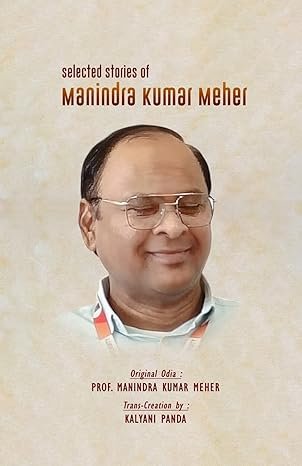
Selected Stories of Manindra Kumar Meher
₹250.00The 17 stories enlisted in this book in English version have been originally written in Odia by Manindra Sir. All these short stories are enriched with their own colour, beauty, splendor and charm. One thing that is common about most of his stories is that they are not imaginary; rather, they have been born out of his personal experiences, day-to-day happenings and deep attachment and insight towards the people living in and around his real life. His characters are also not fictional but the living images of actual life. May it be the ghost of Vijaya who had interacted with him after committing suicide in the hostel room of Sambalpur University, may it be the old lady who was driven out of the bus for her inability to pay the bus fare of one rupee and fifty paisa or may it be Jayanta who was more than a son for the author and his wife or may it be Mani Maa or sister Manaswini who had influenced, shaped and enriched the author’s life with their magnanimity and love–every character has been portrayed by him with subtle details, deep attachment and transparency. Most of his stories are packed with the delicacy of selfless and unconditional relationships, the value of powerful feelings and overflowing emotions in one’s life to build a lovely and sweet bond with others – may it be human beings, birds, animals or natural objects.
-
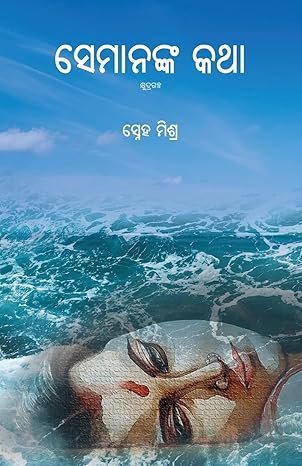
Semananka Katha
₹150.00ଏହି ଗଳ୍ପ ସଂକଳନରେ ସନ୍ନିହିତ ଗଳ୍ପ ଗୁଡ଼ିକର ଉଭୟ କଥାବସ୍ତୁ ଓ ଚରିତ୍ର ମାନଙ୍କରେ କିଛିଟା ଭିନ୍ନତା ପରିଲକ୍ଷିତ ହୁଏ। ସାଧାରଣ ଉପସ୍ଥାପନା ଶୈଳୀରେ ପରିବେଷଣ କରାଯାଇଥିବା ଏହି କଥାବସ୍ତୁ ଓ ଚରିତ୍ର ମାନଙ୍କରେ ଏକ ଅସାଧାରଣ ଓ ଅନନ୍ୟ ଦୃଷ୍ଟିଭଙ୍ଗୀର ପରିଚୟ ମିଳେ। କଥାବସ୍ତୁ ଓ ଚରିତ୍ର ଗୁଡ଼ିକ ଏକ ଅବହେଳିତ ସାମାଜିକ ପୃଷ୍ଠଭୂମିରୁ ଆନୀତ। ତେବେ ସେଗୁଡ଼ିକ କୌଣସି ଏକ ନିର୍ଦ୍ଦିଷ୍ଟ ‘ବାଦ’ରେ ଛନ୍ଦି ହୋଇନାହାନ୍ତି। ସବୁରି ଉର୍ଦ୍ଧ୍ବରେ ଏକ ଗଭୀର ମାନବିକ ଆବେଦନ ଏହାର ମୂଖ୍ୟ ପ୍ରସଙ୍ଗ।
-
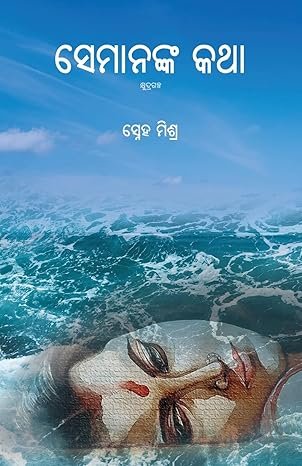
Semananka Katha
₹150.00ଏହି ଗଳ୍ପ ସଂକଳନରେ ସନ୍ନିହିତ ଗଳ୍ପ ଗୁଡ଼ିକର ଉଭୟ କଥାବସ୍ତୁ ଓ ଚରିତ୍ର ମାନଙ୍କରେ କିଛିଟା ଭିନ୍ନତା ପରିଲକ୍ଷିତ ହୁଏ। ସାଧାରଣ ଉପସ୍ଥାପନା ଶୈଳୀରେ ପରିବେଷଣ କରାଯାଇଥିବା ଏହି କଥାବସ୍ତୁ ଓ ଚରିତ୍ର ମାନଙ୍କରେ ଏକ ଅସାଧାରଣ ଓ ଅନନ୍ୟ ଦୃଷ୍ଟିଭଙ୍ଗୀର ପରିଚୟ ମିଳେ। କଥାବସ୍ତୁ ଓ ଚରିତ୍ର ଗୁଡ଼ିକ ଏକ ଅବହେଳିତ ସାମାଜିକ ପୃଷ୍ଠଭୂମିରୁ ଆନୀତ। ତେବେ ସେଗୁଡ଼ିକ କୌଣସି ଏକ ନିର୍ଦ୍ଦିଷ୍ଟ ‘ବାଦ’ରେ ଛନ୍ଦି ହୋଇନାହାନ୍ତି। ସବୁରି ଉର୍ଦ୍ଧ୍ବରେ ଏକ ଗଭୀର ମାନବିକ ଆବେଦନ ଏହାର ମୂଖ୍ୟ ପ୍ରସଙ୍ଗ।
-
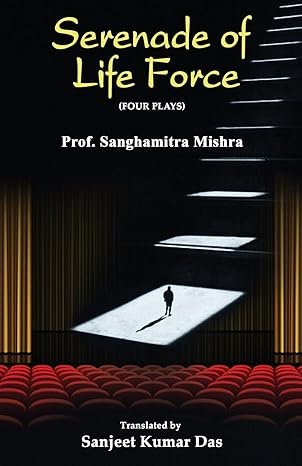
Serenade of Life Force
₹280.00Prof. (Dr) Sanghamitra Mishra is an acclaimed critic and writer who has earned her name in Odia language and literature. Here, I have attempted to translate her four short Odia plays into English as “Golden Bridge”, “Our Geeti: Our Pride”, “Suchana: The Name of a Girl”, and “Last Quarter of Anticipation” respectively, and rendered the title Serenade of Life Force for this collection of plays for the readers to go through on the global platform. In all the plays, female characters are vibrant. They act as connecting links to bridge the gap perceived in human relationships in society. All the domestic plays are with characters chosen from real-life situations. The follies and foibles of human life are with ups and downs strewn nicely together but never thwarted permanently because of the life force already within every individual and consistently reinforces them to move upward. This life force galvanizes the characters taken into consideration in all the plays concerned herewith the female protagonists to fight against the social oddities and stereotypes sometimes silently, but often to socialize, negotiate, and poise with society convincingly. The dramatist has played a masterstroke in bringing these characters to the limelight and proving that their active participation in families and societies practically reduces the tension erupting anywhere.
-
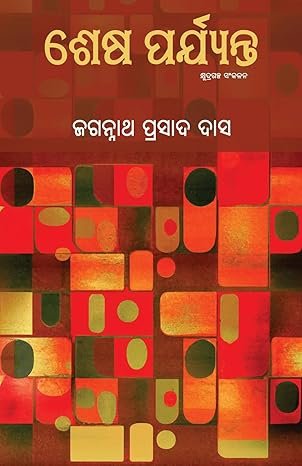
Sesha Paryanta
₹220.00Shesha Paryantais a collection of eight short stories by eminent Odia poet, playwright, essayist and fiction writer Jagannath Prasad Das. Stories are Dhara, Bhrutya, Pujaspadeshu, Bharasamya, Swati Asiba, Shesha Paryanta, Mantra, Banshanucharita.