-
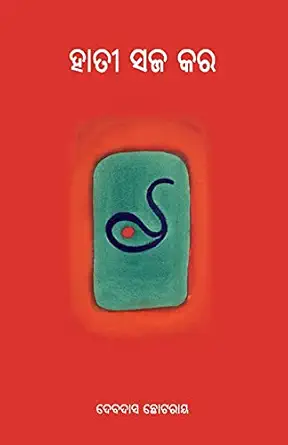
Hati Saja Kara
₹180.00କାହାଣୀ ଆଉ ଗୀତ ଭିତରର ଦିଆନିଆ ମତେ ଅକ୍ଷୟ ମହାନ୍ତି ଶିଖାଇଥିଲେ । ଆଠ ଲାଇନ୍] ଭିତରେ ଗୋଟିଏ ସମ୍ପୂର୍ଣ୍ଣ ଗପ କହିବାର ଗଣିତ ମଧ୍ୟ ସେ ହିଁ ଶିଖାଇଥିଲେ । ପ୍ରତିଟି ଗୀତ ଯେ କେବଳ ଋତୁ ଅବା ସୌନ୍ଦର୍ଯ୍ୟର ବର୍ଣ୍ଣନା ନୁହେଁ, ତା’ପଛରେ ଥିବା ଗୋଟିଏ ଆହତ ବା ଅଭିଭୁତ ଚରିତ୍ରର ସଂଳାପ, ଆଉ ସେ ସଂଳାପର ନିଷ୍ଠା, କହିବାର ଅଲଗା ଢଙ୍ଗ ଯେ ତାକୁ ଆଧୁନିକ କରେ, ଏକଥା ବି ସେ’ଠୁ ଶିଖିଛି । ସେ ମୋତେ କହୁଥିଲେ ‘ଦେବଦାସ, ମୋ ଗୀତ ସବୁକୁ ତାରିଖ ଅନୁସାରେ ସଜେଇ ଦିଅ, ତା ମୋର ଆତ୍ମଜୀବନୀ ହୋଇଯିବ । ମୁଁ ସଙ୍କୋଚ କରି, ତାଙ୍କ ଆଢ଼ୁଆଳରେ, ମୋ ଲେଖା ସବୁକୁ ସେମିତି ସଜେଇ ଦେଖିଲି ଯେ କଥାଟା ମୋ ପାଇଁ ବି ସତ । ସେ ମତେ ଲୋର୍]କା, ଗାଲିବ୍], ଆଉ ଡିଲାନ୍] ଟମାସ୍] ପଢ଼ାଇ ବୁଝାଇଥିଲେ ଯେ ଗୀତ ଆଉ କବିତା ଭିତରେ କୌଣସି ଗୁଣଗତ ଫରକ ନାହିଁ । ଆଉ ଗୁଲ୍]ଜାର୍] ‘ଇଜାଜତ୍]’ ଫିଲ୍ମ ପାଇଁ ‘ମେରେ କୁଛ୍] ସାମାନ୍]’ ଲେଖିବାର ବହୁ ପୂର୍ବରୁ ସେ ମୋଠୁ ଲେଖାଇଥିଲେ ଅଦ୍ଭୁତ ଛନ୍ଦର କେତେ ଗଦ୍ୟ ଗୀତ । ବୋଉର ଭାଷା ଓ ଅକ୍ଷୟ ମହାନ୍ତିଙ୍କ ଢଙ୍ଗର ସମ୍ମିଶ୍ରଣରେ ତିଆରି ହୋଇଥିବା ‘ହାତୀ ସଜକର’ ଏକା ସାଙ୍ଗରେ ଗୀତର ବହି, ଆଉ କବିତାର ବହି ବି ।
-
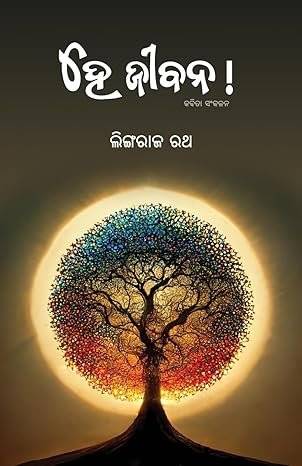
Hey Jibana
₹220.00ବ୍ୟକ୍ତିନିଷ୍ଠ ବିଷୟବସ୍ତୁକୁ ପରିତ୍ୟାଗ କରି କବିତାର ଭାବ ଯେବେ ବସ୍ତୁନିଷ୍ଠ ବିଷୟାବଳୀ ସହ ସଂଯୁକ୍ତ ହୁଏ, ତେବେ ତାହା ସମସ୍ତଙ୍କ ହୃଦୟକୁ ସ୍ପର୍ଶ କରିପାରିବାର ସାମର୍ଥ୍ୟ ରଖେ । ଜୀବନ କହିଲେ ଯେଉଁ ବ୍ୟାପ୍ତି, ଯେଉଁ ରହସ୍ୟମୟ ଅବବୋଧକୁ ଇଂଗିତ କରେ, ତାକୁ କବିତାର ବିଷୟବସ୍ତୁ କରିପାରିଲେ, ତାହା ପ୍ରତ୍ୟେକଙ୍କ ଅନ୍ତର୍ମନକୁ ସ୍ପର୍ଶ କରିପାରେ । ଡ. ରଥ, ତାଙ୍କର ଏହି କବିତା ସଂକଳନରେ ଜୀବନର ଅନେକ ଅବ୍ୟକ୍ତ ଅନୁଭବକୁ ଛୋଟଛୋଟ ସ୍ତବନ ମାଧ୍ୟମରେ ପରିପ୍ରକାଶ କରିଛନ୍ତି । ଜୀବନକୁ ଏକ ଦାର୍ଶନିକର ଦୃଷ୍ଟିଭଙ୍ଗୀରେ ଦେଖି ଦେଖାଇବାକୁ ଚେଷ୍ଟା କରିଛନ୍ତି । ତାଙ୍କ କାବ୍ୟ-ସ୍ୱରରେ ବୈଦିକ ଋଷିତୁଲ୍ୟ ନିର୍ଲିପ୍ତତା ଲକ୍ଷ୍ୟ କରାଯାଇପାରେ । ଦୁଃଖ-ସୁଖ, ସ୍ୱପ୍ନ-ସ୍ୱପ୍ନ ଭଂଗ, ଜୀବନ-ମୃତ୍ୟୁ ଆଦି ଅନେକ ଅବବୋଧ ଅଛି ଏ କବିତା ମାନଙ୍କରେ । ମାତ୍ର ଏସବୁର ଅଳୀକତାଠାରୁ ନିଜକୁ ବିଚ୍ଛିନ୍ନ କରି ଏକ ଉର୍ଦ୍ଧ୍ୱ ସ୍ତରରେ, ଏକ ସକାରାତ୍ମକ ସାର୍ଥକ ଦୃଷ୍ଟିଭଙ୍ଗୀ ସହ ଜୀବନକୁ ସାମ୍ନା କରିବାର ଆହ୍ୱାନ ବି ଅଛି । ଖୁବ୍ ସହଜ ସରଳ ଶବ୍ଦ ଏବଂ ଶୈଳୀ । ମାତ୍ର ଏହାର ପ୍ରଭାବ ଗଭୀର ।
ଡ. ରଥଙ୍କ ଏହି ସଂକଳନସ୍ଥ କେତେଗୁଡ଼ିଏ ପଂକ୍ତି ଆନ୍ଦୋଳିତ କଲା ।
୧) ଜୀବନ ବେଳାରେ ସୁଖର ଢେଉଟି
ସଦା ଆସେ ନାହିଁ ଫେରି
ହରଷ କାଳର ମଧୁର ସ୍ମୃତିଟି
ସଦା ପଡ଼େ ମନେ ଝରି (୧୧)
୨) ହସିଲା ମୁହଁରୁ ବୁଝନା ବଂଧୁ
ଦୁଃଖ ଯାଇଛି ଚାଲି
ଏତିକି ବୁଝିବ ଦୁଃଖକୁ ସିଏ
ହସରେ ଦେଇଛି ଗୋଳି (୯)
ସଂକଳନ ‘ହେ ଜୀବନ’ ପାଠକୀୟ ଆଦୃତି ଲାଭ କରି ସଫଳତା ଅର୍ଜନ କରୁ, ଏହା ହିଁ କାମନା ।
–ବଂଶୀଧର ଷଡ଼ଙ୍ଗୀ,”କବିତା ଘର”, ଗୁହାଳପଡ଼ା, ନିମାପଡ଼ା, ପୁରୀ-୬
-
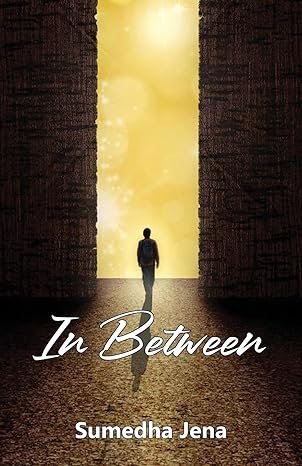
In Between
₹150.00About the book:
When one reads poems written by a young person, one ordinarily expects them to express the joys and sorrows of growing up, and hopes and aspirations animating a young mind dreaming of and dreading the future. One also expects to share the anxieties oppressing the heart of someone who has not had the benefit of age and experience. However, a pleasant surprise awaited me when I started going through poems written by Sumedha put together in this collection. They reveal a whole new world of possibilities and a sensibility shaped by sober reflections on life and its many ironies. They are infused with a quiet intensity and convey a melancholy awareness of a world facing an unanticipated calamity. No wonder, the young poet feels the ‘weight of the world ‘ on her shoulders. The reader quickly moves away from the external world encompassing the poet towards an interior landscape presented evocatively but without sentimentality or self-indulgence. During this journey, questions arising in her mind lead her to explore impenetrable mysteries of life to which easy answers can never be found. Who can, for instance, answer the question, ‘Does the light stop where the dark begins?’ or ‘Does the light cast its own shadow?’. But the questions and a restless search for answers to them lend the poem depth, complexity and a resonant beauty.
I am confident that, as she grows older and finds new ways of experiencing and interpreting the world, Sumedha will find a distinctive voice which will render her poems more memorable and more richly meaningful.
Jatindra Kumar Nayak
Former Professor of English, Utkal University, Odisha
Professor Emeritus, KISS Deemed to be University, Odisha
-
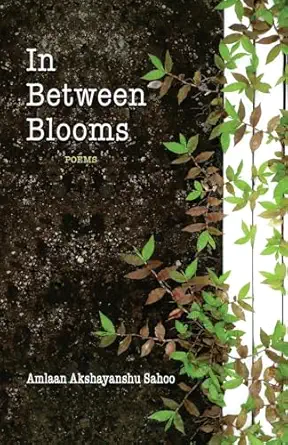
In Between Blooms
₹220.00Change, they say, is the only constant.
Change is what keeps the stone rolling so it gathers no moss – unstoppable and unfeeling as the wheels of time. But sometimes I wonder. Does beauty not lie in decay as well? Is stillness not a requisite for serenity?
In the casual delirium of our lives, we wander as Bedouins beneath a desert moon. Across dunes of daily experiences. Through sandstorms of difficult choices. All the while hurtling towards new destinations and newer identities as we continue to explore the world both without and within. And often we are so worn out from this journey that at the end of the day we forget the myriad paths that we have trodden.
In our relentless pursuit of the what and the where, we tend to overlook the how and the why.
Thus, once in a while, we need to take a back seat. And observe. Perceive and relish the wonders hiding in plain sight just around us – the high-pitched squeals of a child’s innocent laughter, the sizzle of stir-frying curry leaves, the blissful aroma of incense, city-lights sprouting at twilight…Innumerable instances of delicate charm that are omnipresent, but are rewarded only to keen senses, just as renowned philosopher Henry David Thoreau once rightly said – “It’s not what you look at that matters, it’s what you see.”
And yet, the art of observation doesn’t simply end with the discovery of earthly delights. At times when the tides of misery rise too high and the shores of solace seem too far, one has to still the mind in order to soothe the heart. For one who only stares skyward is blinded, whereas one who learns to gaze inward is enlightened.
It is these unnoticed details in the intricate tapestry of human existence that I wish to carve out and celebrate in this book. To savour each of its flavours and help spread its fragrance to others. To bring home the realization that a tree without flowers can still be elegant in its own right.
Nature, the sower of life and also its reaper, is never inert. Before the bees begin to bumble, a lot is happening behind the garb of apparent dormancy. So what if the buds haven’t bloomed? After all, the metamorphosis from caterpillar to butterfly is an affair of great ambition and precision. And such affairs take time.
Upon reflection, don’t we humans do the same? We bloom, we wither, and we bloom again and again till the ultimate withering sends us back to the earth we arose from. Now that, I believe, is the true essence of the human spirit – to brave all odds and never stop growing so that one day the frost shall thaw and spring shall unfurl.
If we are patient enough, gentle reader, perhaps we might understand this enigma that is life – daunting in its grandeur, humbling in its fragility, and in the wise words of Emily Dickinson, “fulfilling absolute decree in casual simplicity.”
And what better way to appreciate this than to cherish the sweet wait in between blooms! – Amlaan Akshayanshu Sahoo
-
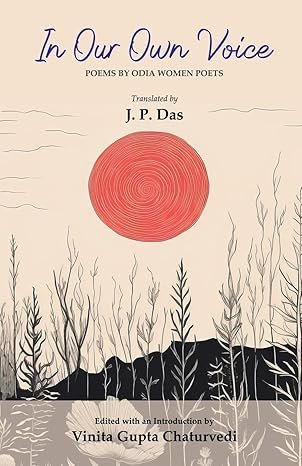
In Our Own Voice: Poems by Odia Women Poets
₹300.00Odisha has enjoyed a symbiotic relationship with poetry and has had a long and unbroken tradition of women writing poetry. Women have made significant contribution to the canon of Odia poetry, starting from the fifteenth century to the present. Among women poets of Odisha, perhaps the earliest is Madhabi Dasi, an exponent of Bhakti poetry and a contemporary of Sri Chaitanya. She wrote in Brajboli, Bangla and Odia. Her janāna “Chakānayan he Jagujiban Srihari” was one of her most popular devotional songs in Odia. Nandabai Chautiśā is another well-known poem composed by a woman from Odisha in pre-colonial times. Several women, mostly from royal families, composed devotional songs and long narrative poems in
the eighteenth and nineteenth centuries. Odisha witnessed a burst of feminine creative energy in the wake of Indian Independence which continued
undiminished through the last quarter of the century and has reached a fruition in the present, when writing poetry has become almost de rigeur, where poetry reading sessions and publication have become a state-wide quotidian activity. In Our Own Voice: Poems by Odia Women Poets is an ambitious
enterprise of the renowned poet, writer and playwright J. P. Das who has painstakingly culled, collected, and translated the creative outpourings of some of these women set far apart in time but geographically rooted in the state. Some of these poems were edited and translated by Das earlier
and appeared in two separate anthologies, titled In Other Words (2017) and Under the Silent Sun (1992). He co-edited the latter with the Chicago-based academician Arlene Zide. The present volume contains poems from these collections as well as many other young and vibrant voices. Originally written in Odia language and meticulously translated into English by Das, these poems belong to women writers spanning nearly half a century, who come from diverse walks of life. Some of them are working professionals who hail from the world of corporate and journalism; some are
fulltime writers while there are contributions from others who seem to steal time to compose verses in the interstices of their domestic chores.
The poems in this volume are rich and eclectic, which range over a variety of subjects, providing a polyphony of voices and a panoply of themes. The writers in this collection straddle different worlds-a little more than five decades separate Banaja Devi and Amiyabala Muni who were born
in pre-independent India circa 1941, from the youngest contributors, Tanmayee Rath and Swapnajita Sankhua, born during the pre-reform and post-liberalisation period of India, in the years 1987 and 1998 respectively. Poems collected from such a broad time spectrum would naturally
bring an array of thematic concerns and preoccupations. A brief overview of the development of Odia poetry by women over the decades since India’s Independence would reveal that, like all women’s poetry elsewhere in the world, there is a sense of thwarted aspiration and patriarchal oppression
in the early set of poets, sometimes coupled with the mildest influence of western modernism, resulting in occasional experimentation.
-
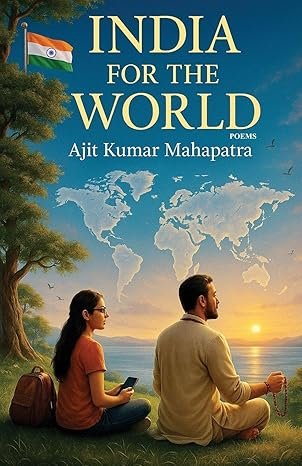
India for the World
₹300.00“Seeing the World” famed Dr. Mahapatra has come up with his second collection of poems “India for the World”, continuing his old trend but much mellowed, smoothened and vibrant. He continues the same trend – from local to global- from his native village on the bank of Subarnarekha, close to the sea, close to the village of world-famous writer Manoj Das, to Odisha and then to India, and finally to the world. A globe trotter, rooted in his soil looks at the world at large. He continues the trend of great Indian English poets, Ezekiel, Ramanujan and Odisha’ s Jayant Mohapatra, Bibhu Padhi and Niranjan Mohanty with a difference. His poems are comprehensible, poems of ideas and intellect with a purpose to change the world. He looks at everything with an objective distance but gets agitated within which gives way to his poems, otherwise all his poems would have been great essays. A cursory look at the content page shows how the titles are in fact titles of essays, be it ‘Global Democracy’, ‘Human Ingenuity’, ‘Growth Evenly Balanced’, ‘World a Family’, ‘Convergence: India’s Mission’, or ‘Ponds Still Relevant’, ‘India for the World’ (the title of the collection). Is it possible, one wonders, to convert these prose themes into poems? Dr. Mahapatra has made possible the impossible. What made him possible, the impossible? His mastery over words, playing with words, that come to him like ‘leaves to trees’. One word flowing into another, then another to another, preceded by flow of ideas following ‘Stream of Consciousness’.
-
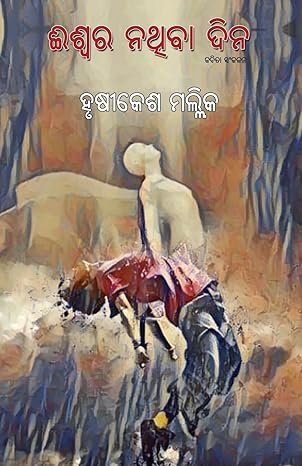
Iswara Nathiba Dina
₹200.00Hrushikesh Mallick (b. 5 March 1955 – Bhadrak, Odisha, India) is a poet, scholar, teacher and journalist. He has published twelve poetry collections- Dhana Saunta Jhia (1987), Ujuda Kshetara Gita (1991), Ghata Akash (1998), Dharmapatni (2000), Jeebananama (2000), Sakshi Chandra Surya (2004), Basusena (2006), Jeje Dekhinathiba Bharat (2015), Rebati (2016), Sarijaithiba Opera (2019), Bhabesh Maiti Ghare Achha? (2023), Baliputiara Gan (2023). Also, he has published children literature, short stories, essays and columns in leading Odia dailies. Among many awards, he has received Odisha Sahitya Akademi Award for Dhana Saunta Jhia, Sarala Award for Jeje Dekhinathiba Bharat and Central Sahitya Akademi Award for Sarijaithiba Opera. Having a D.Litt in Comparative literature, he has taught Odia literature in various Govt. Colleges of Odisha and nominated as President, Odisha Sahitya Akademi (2021-2024) by Govt. of Odisha. At present, he edits literary pages of the Odia daily, Dharitri.
-
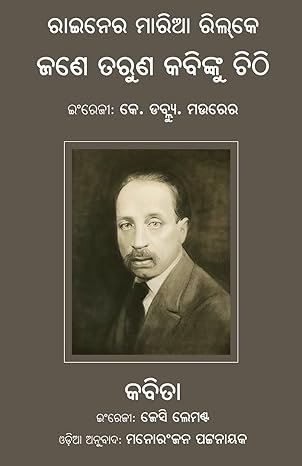
Jane Taruna Kabinku Chithi (Rainer Maria Rilke)
₹320.00“Letters To A Young Poet” by Rainer Maria Rilke is a prosaic work, but it refers directly to poetry. There are ten letters written to a young man about to enter the German military.
In the very beginning of the 1903, Rilke received a letter from a twenty-year old lieutenant of Austro-Hungarian army Franz Kappus. Verses were enclosed to the letter: the lieutenant turned out to be a poet. Rilke answered. Rilke wrote Franz Kappus ten letters; the last of them is dated by December 1908. After Rilke’s death, the letters were published in a separate book entitled “Letters To A Young Poet”. Of all Rilke’s extensive correspondence, these letters won the greatest popularity. It is explained by their content: there is nothing personal or private in them; Rilke wrote about the poetry, nature of poetic works, irony, loneliness, love etc. His philosophy-aesthetic views of that time are well reflected in these letters.
-
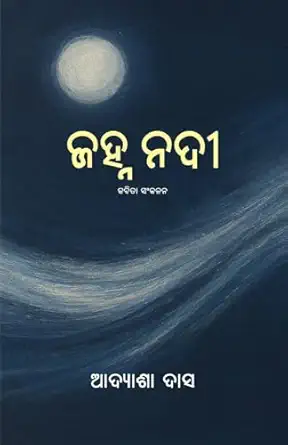
Janha Nadee
₹200.00Janha Nadee (Moon River) is a luminous new collection by Adyasha Das, where every poem flows with her signature tenderness and quiet depth. In these pages, nature converses with memory, love gathers its many hues, and the self-drifts between stillness and discovery. Each verse carries the shimmer of her distinct poetic voice, offering readers a journey through emotion, identity, and the fragile beauty of being. A book to return to, again and again, for its grace, insight, and lingering serenity.
-
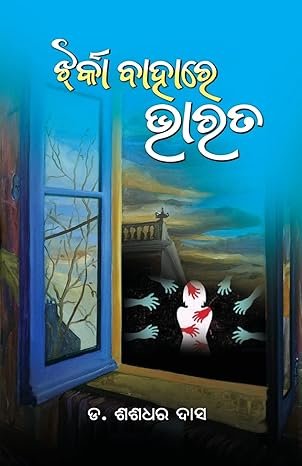
Jharka Bahare Bharata
₹170.00ଭାରତର ବିବିଧ ଛବିରେ ଛବିଳ ‘ଝର୍କା ବାହାରେ ଭାରତ’ କବି ଶଶଧର ଦାସଙ୍କର ଏକ ସଦ୍ୟତମ ଶବ୍ଦ ଶତଦଳ । ତହିଁ ଅଙ୍କିତ ଜୀବନ ଚିତ୍ର ଛାୟାଛନ୍ନ ଜହ୍ନରାତି ପରି ମନୋଜ୍ଞ ଅଥଚ ରହସ୍ୟମୟ । ଭାବର ସାନ୍ଧ୍ରତାରେ ଯେମିତି ନିବିଡ଼ ତାଙ୍କର ପ୍ରତିଟି କବିତା, ସେମିତି ପ୍ରତି ଶବ୍ଦ ସିକ୍ତ ଲଳିତ ଲାବଣ୍ୟରେ ।ସମକାଳ ବୈପରୀତ୍ୟର ଏକ ଦୁର୍ବୋଧ୍ୟ ଛନ୍ଦ । କେତେ ଭିନ୍ନ ସତେ ଏଠି ପ୍ରତୀୟମାନ ପୃଥିବୀଠାରୁ ବାସ୍ତବ ଜୀବନ! ଏଠି ମୂଲ୍ୟ ଓ ମୂଲ୍ୟବୋଧ ଭିତରେ ସଂଘର୍ଷ ଓ ବସ୍ତୁବାଦୀ ବେଗଦ୍ୱାରା ଆତ୍ମିକ ଆବେଗ କ୍ଷତାକ୍ତ । ଲାଭ, ଲୋଭ ଓ ଲାଳସାର ଅର୍ଗଳିରେ ମ୍ରିୟମାଣ କବି ସତ୍ତା । କବିଙ୍କ ଲେଖନୀରେ ତେଣୁ ସ୍ୟାହି ନୁହେଁ, ରକ୍ତସ୍ରାବର ସଂକେତ । ତଥାପି ରକ୍ତକୁ ରକ୍ତ ପଳାସରେ ରୂପାନ୍ତରିତ କରିବାକୁ ଯେମିତି କବି ଶଶଧର ଦାସ ପ୍ରତିବଦ୍ଧ । ଆଉ କ’ଣ ଆଜିକାଲି ସକାଳ ଓହ୍ଲାଉଛି ଚା’ କପ୍], କାଗଜ ଗନ୍ଧରେ? ନା । ଖବରକାଗଜ ପୃଷ୍ଠାରେ ବାରୁଦର ଗନ୍ଧ ତ ଆତଙ୍କ ଅପମୃତ୍ୟୁ, ଦୁଷ୍କର୍ମ ଓ ଦୁରାଚାରରେ ପ୍ରତିଟି ସକାଳ ବିବର୍ଣ୍ଣ । ଭୋଅଟରୁ ଭୋଅଟ ପର୍ଯ୍ୟନ୍ତ ଗାଁ ଫାଟି ଆଁ କରିଛି । ଗାଁ ଦାଣ୍ଡରେ ପୁଣି ସହରର ବାସ୍ନା । ଜହ୍ନିଫୁଲ, ଜହ୍ନରାତି, ଧୂଆଁ, ଧୂଳି ଓ ଧୂମାଳ – ସବୁ ଅବା ଅତୀତର ଗୋଟେ ଛିନ୍ନପୃଷ୍ଠା । କବି ତେଣୁ ଅତୀତ ଆମୁଖତା ବା ନୋଷ୍ଟାଲ୍]ଜିଆରେ ବିଭୋର ସାମାଜିକ ଅଧୋଗତିରେ ବିବ୍ରତ ପୁଣି ଛଦ୍ମ ଗଣତନ୍ତ୍ର ପ୍ରତି ବିମୁଖ । ଏମନ୍ତ ଚିତ୍ର ଓ ଚିତ୍ରକଳ୍ପରେ ବିଚତ୍ରବର୍ଣ୍ଣା ଏହି ଗ୍ରନ୍ଥରେ ସଂକଳିତ ଅନେକ କବିତା ।
-
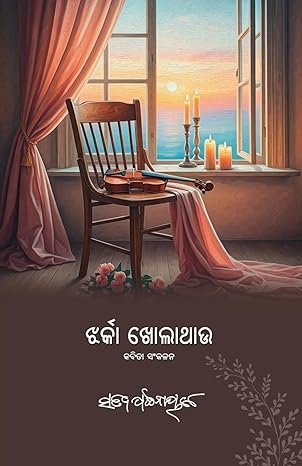
Jharka Kholathau
₹200.00ସତ୍ୟ ପଟ୍ଟନାୟକ ଓଡ଼ିଆ ସାରସ୍ୱତ ଜଗତରେ ଯଶୋମୟ ଏକ ବିମୁଗ୍ଧ ଉଚ୍ଚାରଣ । ଚିନ୍ମୟ ଚେତନାରେ ତଲ୍ଳୀନ ତାଙ୍କ କବିତା କେବେ ତନ୍ମୟ ତ କେବେ ମନ୍ମୟ, କେବେ ମୃଣ୍ମୟ ତ କେବେ ହିରଣ୍ମୟ, କେବେ ପୁଣି ଅମ୍ମୟ ତ ଆଉକେବେ ଅଶ୍ମମୟ, କେବେ ଦର୍ଭମୟ, କେବେ ଉର୍ଣାମୟ, କେବେ ଛାୟାମୟ, କେବେ ମାୟାମୟ, କେବେ ରୂପମୟ, କେବେ ରସମୟ, କେବେ ମନୋମୟ ତ ଆଉକେବେ ଭାବମୟ। ଝର୍କା ଖୋଲାଥାଉ କବିତା ସଂକଳନସ୍ଥ ପ୍ରତ୍ୟେକ କବିତା ସ୍ଵତନ୍ତ୍ର ଦୃଷ୍ଟି ଓ ଦର୍ଶନ ସମ୍ବଳିତ ଭାବାବେଗ, ଭାବସମ୍ବେଗ ଓ ଭାବୋଚ୍ଛ୍ୱାସର ଏକ ଏକ ଭାସ୍ୱର ପରିପ୍ରକାଶ ମାତ୍ର। ଝର୍କା ବା ବାତାୟନ, ଗବାକ୍ଷ ବା ଜାଳାକ୍ଷ ଚିରକାଳ ଏକ ଚେତନାଗତ ଆପ୍ତି ଓ ବ୍ୟାପ୍ତିର ପ୍ରତୀକ ବା ପ୍ରତିନିଧି। କେହି କେହି ଏହି ସଦନାଂଶକୁ ଜାନାଲା, ପଞ୍ଜର, ବାଉଳି ବା ଜଳାକବାଟୀ ବା ଖିଡ଼ିକୀ ବୋଲାଇଥାନ୍ତି; ମାତ୍ର ଚେତନଗତ ସ୍ତରରେ ଏହା ସର୍ବଦା ପ୍ରସୃତି ଓ ବିସ୍ତୃତିକୁ ହିଁ ଇଙ୍ଗିତ କରିଥାଏ। ସେହି ସୂତ୍ରରେ କବି ଶ୍ରୀ ପଟ୍ଟନାୟକଙ୍କ ‘ଝର୍କା ଖୋଲାଥାଉ’ ଅଭ୍ୟନ୍ତରରୁ ଦିଗନ୍ତ-ପରିବ୍ୟାପ୍ତ ଚେତନାଗର୍ଭିତ ଏକ ଅନନ୍ୟ-ଅନବଦ୍ୟ ସାରସ୍ଵତ ସର୍ଜନାବିଶେଷ ଅଟେ।
– ଡ. ସନ୍ତୋଷ କୁମାର ନାୟକ, ସହକାରୀ ପ୍ରଫେସର ଓ ବିଭାଗମୁଖ୍ୟ, ଓ.ଶି.ସେ.-୧, ଅଧିସ୍ନାତକ ଓଡ଼ିଆ ବିଭାଗ, ଫକୀର ମୋହନ ସ୍ଵୟଂଶାସିତ ମହାବିଦ୍ୟାଳୟ, ବାଲେଶ୍ଵର, ଓଡ଼ିଶା
-
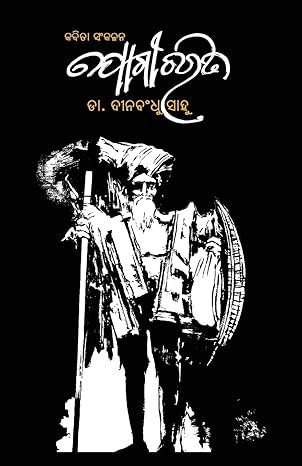
Jogi Charita
₹200.00Jogi Charita, Dr. Dinabandhu Sahoo’s sixth poetry collection, depicts a philosophical insight into the diverse aspects of human life and one’s creative reincarnation with a yogic approach.