-
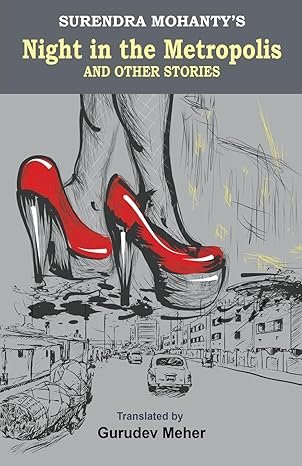
Night in the Metropolis and Other Stories
₹350.00Originally written in Odia, Night in the Metropolis and Other Stories is a classic of modern Indian literature. This captivating collection of short stories features an impressive range of the author’s content, form, theme, and style. Mohanty skillfully develops his characters through dialogue and narration, finding an appropriate ‘objective correlative’ to represent human emotion and sensibility. He uses an impressionistic, non-linear narrative technique that does not impose a moral judgment on the reader. Instead, it provides ample opportunities to think, judge, and conclude without relying on authorial comments. Most of the stories in this collection are inspired by youthful enthusiasm and exuberance, seeking to portray the ideals of revolution and freedom imagined in youth. Others are notable for their general suggestiveness, encompassing a broad human vision, gentle intellectuality, and subtle satire.The stories in this book portray the author’s personal experiences with life and delve into varied ethical concerns and convictions, evoking a profound sense of justice and humanity. The act of writing also provides a therapeutic release from emotional turmoil. Night in the Metropolis and Other Stories is an artistic expression of Surendra Mohanty’s socio-cultural fervour. It effectively expresses his broad perspective on humanity and his fervent revolutionary spirit.
-
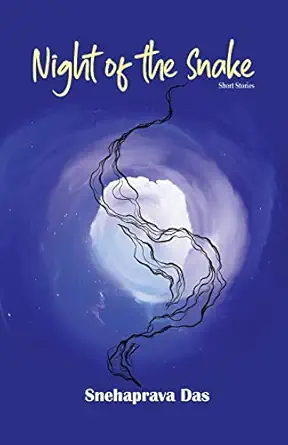
Night of the Snake
₹330.00The stories in this collection make an effort to examine the manifold aspects of human behaviour that appears normal in normal circumstances but can change inexplicably under pressure exercised either by the society or the people around us or by an inconceivably intriguing inner conscious. While some of them set out to probe the subliminal, to uncover the truth deeply embedded there that all tales of human existence are woven around, to define the terrible conflicts our souls are torn with, some others try to capture the varying moods of man caught in a web of prejudices and predilections, ambitions, fantasy, and vain pursuits. There are stories that try to portray men and women as pathetic victims of social injustice, poverty, superstition and a malignant destiny. They are tales of suffering and sacrifice of men and women, of the harsh disillusionment that spring from unfulfilled desires. In a way they too are attempts to define the weird and mysterious acts of the characters, whether an adult or a child, through an exploration of the many layered and obscure patterns of man’s subconscious.
We all know that a story can be told in several ways. In the words of Khalid Hosseini ‘A story is like a moving train: no matter where you hop on board, you are bound to reach your destination sooner or later.’ These stories too, irrespective of the manner in which they are told, intend to create what Poe calls the “single effect” to guide the readers to the right destination. The response of the readers, hence, would decide the extent of their success in accomplishing the goal.
-
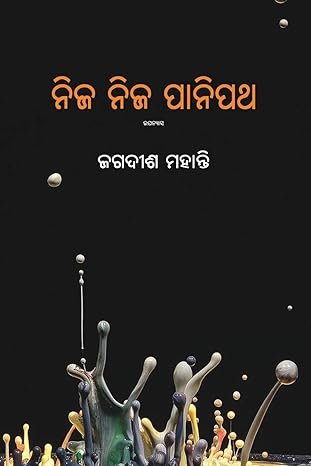
Nija Nija Panipath
₹225.00The novel “NIJa Nija Panipath” by Odia novelist and storyteller Jagadish Mohanty is based on theme of colliery life, coal management, trade union, minister and mafias. The protagonist of this novel Hari Shankar has sent his life as a trade union secretary in coal mines and for that reason paid a lot by neglecting his personal life. He has joined coal India as worker at the age of 18 and joined trade union. At the age of 50 he could realize that trade union has lost its loyalty ethics due to the interference of local minister .so he has decided to build a new union by the support of management, but he could not get success because of the protest of Dhruba Khatua, the existing union leader. Then he has kept hunger strike along with few peoples. After two three days all the peoples who have supported him left him alone and compromised with management alone and compromised with management. Pradyumna another character of the novel has suffered identity crisis. Being a Brahmin boy, he has accepted an identity of Samaru khadia, a tribal folk. Officially he was declared as the son of Baithu khadia. This he has to accept as he goes for a job purchased from mafia. Coal India has a policy to provide job to the people whose land have been acquired. Many tribal peoples were not interested for jobs but they preferred to instant money in lieu of such jobs. Local Mafia targeted those tribals and resold the jobs. And here Pradyumna is a victim of the system.
-

Nila Saraswati
₹220.00Seldom the very first book of an author has been hailed as a literary classic as “Nila Saraswati”. For nearly half a century its poems have tinted the landscape of Odia modern poetry. It is a book of love and longing which coexist with pain and nostalgia. It is like playing a game of chess with oneself, leaving an empty chair for death.
-
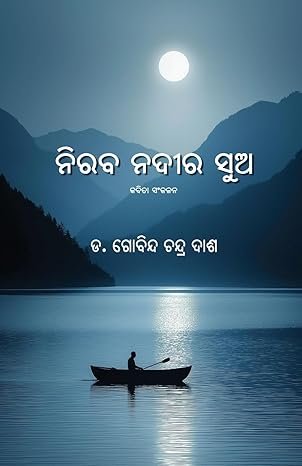
Niraba Nadira Sua
₹200.00କବିତା ହେଉଛି କବି ପ୍ରାଣର କଳ୍ପନା ପ୍ରସୂତ କାବ୍ୟିକ ଅଭିବ୍ୟକ୍ତି। କବିତାର କାୟାକଳ୍ପ ଗଢ଼ାହୁଏ ଭିଜା ମାଟିର ବାସ୍ନାରେ, ଜୀବନ ଜିଇଁବାର କଳାକୌଶଳରେ, ପ୍ରକୃତି ଓ ଜଗତ ପ୍ରତି ଅହେତୁକ ସ୍ନେହ, ଶ୍ରଦ୍ଧା, ମମତ୍ୱବୋଧରେ, ଭାବ, ଆବେଗ, ଲଳିତ ପଣ ଓ ପ୍ରେମର ଆଧ୍ୟାତ୍ମିକ ତଲ୍ଲୀନତା ଭିତରେ। ଭାଷା ମାଧ୍ୟମରେ ଭାବର ପରିପ୍ରକାଶ ଘଟେ, ଭାଷା ଶିଖାଏ ସାହିତ୍ୟ। ଉନ୍ନତ ମାନର କବିତା ତାକୁ ହିଁ କହନ୍ତି ଯାହା ପାଠକର ହୃଦୟକୁ ସ୍ପର୍ଶ କରେ, ତା’ର ଚିନ୍ତାଧାରାକୁ ଉନ୍ନତ କରେ, ଦୃଷ୍ଟିଭଙ୍ଗୀକୁ ବଦଳାଇ ଦିଏ, ଚେତନାର ଉଦ୍ରେକ କରାଇ ଏକ ସୁସ୍ଥ ସମାଜ ଗଠନରେ ମୁଖ୍ୟ ଭୂମିକା ନିଭାଏ।
“ନୀରବ ନଦୀର ସୁଅ”ରେ ସନ୍ନିବେଶିତ ୪୮ଟି ଯାକ କବିତା ସବୁ ଭିନ୍ନ ସ୍ୱାଦର। ଏ ସବୁ କବିତାରେ ଆଧୁନିକ ମଣିଷର ଅସହାୟତା, ଦୁଃସ୍ଥ ସାମାଜିକ ବ୍ୟବସ୍ଥାର ରୂପକଳ୍ପ, କଳ୍ପନା ଭିତରେ ବାସ୍ତବତାକୁ ବାନ୍ଧି ରଖିବାର ପ୍ରୟାସ, ନୀରବତା ଭିତରେ ଭାବାନ୍ତର ସୃଷ୍ଟି କରିବାର ଅନନ୍ୟ ଆବେଗ, ଗତିଶୀଳ ସମୟକୁ ପ୍ରତୀକାତ୍ମକ ଭାବେ ଅନୁଭବି ଜୀବନର ନିର୍ଦ୍ଦିଷ୍ଟତାକୁ ପର୍ଯ୍ୟବେକ୍ଷଣ କରିବାର ପ୍ରଚେଷ୍ଟା ଆଦି ଅତି ମାତ୍ରାରେ ପ୍ରତିଫଳିତ ହୋଇଛି।
-

Nirbachita Kabita
₹200.00An intense anthology, steeped in fearless intellect, Gayatribala Panda’s poems are a comment on her socio-political landscape and the resultant human condition. Woven in her native language, varying from its most colloquial to its richest form and her land, its soil, its people and its legacy setting up a searing backdrop for her deep words, these poems are a comment on her homeland’s greatest struggles, fissures and wounds across social categories, particularly the challenges, injustices and atrocities perpetrated against women in a largely patriarchal setup. Known for adding the human to the abstract, Gayatribala Panda gives us a slice of Odisha in verse to savour and to contemplate on.
-
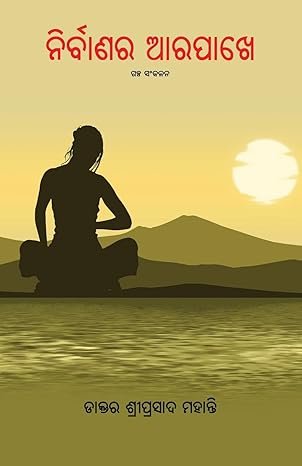
Nirbanara Arapakhe
₹230.00ଯେତେବେଳେ ମୋର ବ୍ୟକ୍ତିସତ୍ତାର ଅସ୍ତିତ୍ୱ ହଜିଯାଇଥିଲା, ଗୋଟେ ଲେଖକ କେବଳ ଥିଲି, ତାହା ଖୁବ୍ ଭଲ ଥିଲା ମୋ ପାଇଁ । ପାଠକୀୟ ପ୍ରତିକ୍ରିୟା ନିରପେକ୍ଷ ମଣୁଥିଲା ମୋତେ । ଭାବୁଥିଲି ଦର୍ପଣଟିଏ ଲେଖାଏଁ ସେଇ ଚିଠି । ଖୋଜୁଥିଲି ମୋ ନିଜର ପ୍ରତିଛବି । ମାତ୍ର ମୋର ପରିଚୟ ଜାଣିଯିବା ପରେ ଅନେକେ ମତେ ଭାବୁଛନ୍ତି ଆଜି ପକ୍ଷଭୁକ୍ତ ବୋଲି । ସତେ ଯେମିତି ମୁଁ ଟେବୁଲ୍]ର ବିପରୀତ ପାଖରେ ବସିବା ମଣିଷ! ବିଚ୍ଛିନ୍ନ ସେମାନଙ୍କଠାରୁ । ଅନ୍ୟ ପକ୍ଷରେ ଡାକ୍ତରମାନେ ପ୍ରାୟତଃ ଗପ ପଢ଼ନ୍ତିନାହିଁ । ମୋର ତେଣୁ ମନେହୁଏ ଏକ ଜନବସତିହୀନ ଅଞ୍ଚଳରେ ଅଟକି ଯାଇଥିବାଭଳି ।
ଲେଖୁ ଲେଖୁ ଲେଖିଗଲି ଦର୍ପଣ କଥା । ପ୍ରତିଛବି କଥା । ସମସ୍ତେ କହନ୍ତି, ସାହିତ୍ୟ ଦର୍ପଣ ହେବା ଉଚିତ ସମାଜର । ମାତ୍ର କି ପ୍ରତିଛବି ଦେଖାଏ ସତରେ ଦର୍ପଣଟିଏ?
ଅବିକଳ ଓଲଟା । ବାମପାଶ୍ୱର୍କୁ ଡାହାଣ ଓ ଡାହାଣ ପାଶ୍ୱର୍କୁ ବାମ କରିଦିଏ ଦର୍ପଣ । ମୋ ଗପ ସଂପର୍କରେ କିଏ ସେଭଳି ମନ୍ତବ୍ୟ ଦେଲେ ମୁଁ ଦ୍ୱନ୍ଦ୍ୱରେ ପଡିଯାଏ ତେଣୁ ।
-
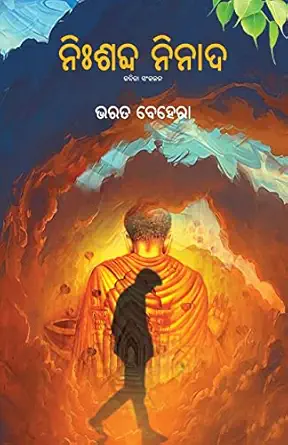
Nisabda Ninada
₹150.00ଏବର ସମୟ ଖଣ୍ଡରେ କବିତାର ପ୍ରଧାନ ଉତ୍ସ ହେଉଛି ମଣିଷ । ସେହି ମଣିଷ ନିତିଦିନ କେତେ କେତେ ସୁଖ ଦୁଃଖ, ହାନିଲାଭ, ବିଷାଦ ବିରହ ଓ ଭୋକକୁ ସାମ୍ନା କରୁଥାଏ । ସେ ଭୋକ ହୋଇପାରେ ଉଦରର, ମାନସିକ ସ୍ତରର, ଜୀବନ ଜିଜ୍ଞାସାର, ସାମାଜିକ, ଆର୍ଥନୀତିକ ଓ ସାଂସ୍କୃତିକ ବିଶ୍ଲେଷଣର । ମଣିଷର ସୁବିଧା ପାଇଁ ଯେଉଁ ଅନୁଷ୍ଠାନ ସମୂହ ଗଢ଼ାଯାଇଛି, ଆବଶ୍ୟକ ବେଳେ ସେ ସଂସ୍ଥା ସହଯୋଗ, ଆନ୍ତରିକତା ଓ ଅନ୍ତରଙ୍ଗତାର ହାତ ପ୍ରସାରଣ କରେ ନାହିଁ । ସୁତରାଂ ବୃହତ୍ତର ଜନଜୀବନ ଅସହାୟ ଓ ଅନିଶ୍ଚିତତା ମଧ୍ୟରେ ଜିଇଁବାକୁ ବାଧ୍ୟ । Micro ଦୃଷ୍ଟିରୁ ସବୁ ଠିକ୍]ଠାକ୍ ଥିଲା ଭଳି ଭ୍ରମସୃଷ୍ଟି ହେଉଥାଏ, କିନ୍ତୁ Micro ଦୃଷ୍ଟିରୁ ନିରୀକ୍ଷଣ କଲେ, ମଣିଷର ଦୁଃଖ, ଦୁର୍ଦ୍ଦଶାର ଅନ୍ତ କାହିଁ? ଦୁଃଖର ଉପତ୍ୟକାରେ ସେ ଏକାଏକା ଉଦାସ ଓ ନିର୍ଲିପ୍ତ । କହିବା ବାହୁଲ୍ୟ, ଜୀବନର ପରିସର ଏତେ ବ୍ୟାପକ ଯେ କବିତା ମାଧ୍ୟମରେ ସେ ସବୁର ଅବତାରଣା ଅସମ୍ଭବ । ଶବ୍ଦ ଯେତେବେଳେ କ୍ଲାନ୍ତ ଓ ନିସ୍ତେଜ ହୋଇଯାଏ, ସେତେବେଳେ ନିଃଶବ୍ଦ, ଜାଗ୍ରତ ହେବା ସଙ୍ଗେସଙ୍ଗେ ସକ୍ରିୟ ହୋଇଥାଏ । ଅନ୍ୟ ଅର୍ଥରେ ଶବ୍ଦର ଯେତିକି ଶକ୍ତି ଅଛି ନିଃଶବ୍ଦର ତା’ଠାରୁ ଅଧିକ ଶକ୍ତି ଅଛି । ଏଠି ବାଗଡ଼ାମ୍ବର ନାହିଁ, ଗଳାଫଟା ଚିତ୍କାର ନାହିଁ, ଅଛି କେବଳ ମୌନ, ନିରବତାର ଭାଷା, ଯାହା ବଡ଼ମଥା ଠାରୁ କୋଟିକୋଟି ମଣିଷର ଅବଚେତନକୁ ଭେଦିଯାଏ । ସେଇଠୁ ଆରମ୍ଭ ହୁଏ ଉପଶମର ରାସ୍ତା । Inter War Period ରେ ଯେତେବେଳେ ମଣିଷ ସମାଜ ଭୟାବହ ବେରୋଜଗାରୀ, ଅତି ସ୍ଫୀତି (hyperinflation), ଚାହିଦା ସଂକୋଚନକୁ ସାମ୍ନା କରୁଥାଏ, ଠିକ୍ ସେତିକିବେଳେ ନିଃଶବ୍ଦ ଶୋଭାଯାତ୍ରାର ଲମ୍ବା ଲମ୍ବାଧାଡ଼ି ବିଶ୍ୱ ମଗଜକୁ ତରଳେଇ ଦେଇଥିଲା । ନିଃଶବ୍ଦତାର ଗର୍ଭ ଜରାୟୁରୁ ଜନ୍ମ ନେଇଥିଲା କେତେକେତେ ନୂଆ ଫର୍ମୁଲା । ସୁତରାଂ, ଶବ୍ଦ, ନିଃଶବ୍ଦ, କୋଳାହଳ ଓ କମନୀୟତା ହେଉଛି ଜଡ଼ତା ବିରୁଦ୍ଧ ଏକ ଆହ୍ୱାନ । ସେହି ଆହ୍ୱାନ ପ୍ରତିକ୍ଷେତ୍ର ପାଇଁ ପ୍ରଯୁଜ୍ୟ କହିଲେ ଅତ୍ୟୁକ୍ତି ହେବନାହିଁ ।
-
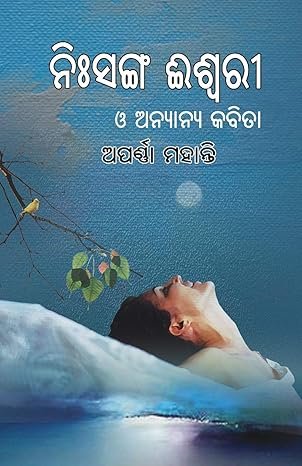
Nisanga Iswari O Anyanya Kabita
₹225.00This collection has fifty poems from poet’s previous published collections Abyakta Atatayee, Asati, Nisabdare, Atithi, Purnatama, Jhia Paain Jharkatie, Nastanaree, Tirthajatra, Maa`ra Kandana Gita, Nijaku Khojila Bele, Yogini Gita, Ebe Mun Premare, and Agni Kamalini selected by the poet for global Odia poetry lovers.
-
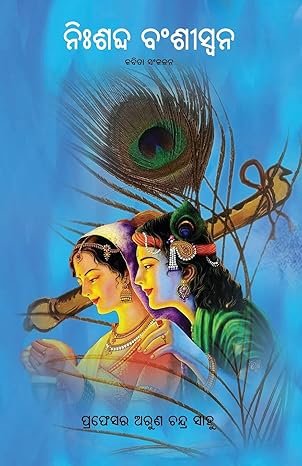
Nishabda Banshiswana
₹180.00“Nishabda Banshiswana” is poet’s eighth poetry collection, the title of which is after its first long poem that depicts the divine love between Krishna, the eighth incarnation of Lord Vishnu and Radha, the goddess of love, compassion and devotion and the internal potency (hladini shakti) of Krishna, and the reason behind breaking the flute by Krishna himself. The other poems of this collection are of varied tastes and thoughts that may touch the minds of poetry-lovers.
-
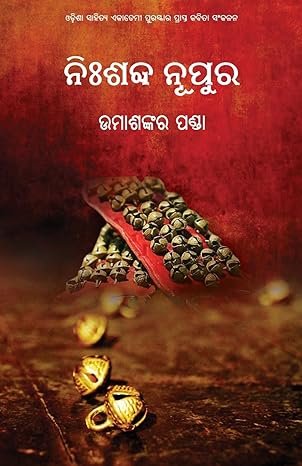
Nishabda Nupura
₹180.00ଉମାଶଙ୍କର ପଣ୍ଡାଙ୍କ ଓଡ଼ିଆ ସାହିତ୍ୟଜଗତକୁ ତାଙ୍କର ଜୀବନବ୍ୟାପି ଅବଦାନ ପାଇଁ ଓଡ଼ିଶା ସାହିତ୍ୟ ଏକାଡ଼େମୀ ୨୦୦୪ ମସିହାରେ ସର୍ବୋଚ୍ଚ ଅତିବଡ଼ୀ ସମ୍ମାନରେ ସମ୍ମାନିତ କରିଥିଲା । ଏତଦ୍]ବ୍ୟତୀତ ସେ ବିଷୁବ ସମ୍ମାନ, ଝଙ୍କାର କାବ୍ୟ ସମ୍ମାନ, ଭୁବନେଶ୍ୱର ପୁସ୍ତକମେଳା ସମ୍ମାନ, ସାରଳା ସମ୍ମାନ, ଫକୀର ମୋହନ ଗଳ୍ପ ସମ୍ମାନ, ଅଖିଳ ପଟ୍ଟନାୟକ ବିଶେଷ କବି ସମ୍ମାନ, କବିତାୟନ କବି ସମ୍ମାନ, ଧରିତ୍ରୀ ସାହିତ୍ୟ ସମ୍ମାନ ଆଦି ପଚାଶରୁ ଊର୍ଦ୍ଧ୍ୱ ସମ୍ମାନରେ ସମ୍ମାନିତ ।
ସେ ୬୭ଟି ବେତାର ନାଟକ, ପଚାଶରୁ ଊର୍ଦ୍ଧ୍ୱ ବେତାର ସଂଗୀତ ରୂପକ ଓ ଅନେକ ଓଡ଼ିଆ ତଥା ସମ୍ବଲପୁରୀ ଗୀତିକବିତାର ସ୍ରଷ୍ଟା । ତାଙ୍କ ରଚିତ ସମ୍ବଲପୁରୀ ସଂଗୀତ ରୂପକ ‘ଗାଆଁକେ ଯିମା ଚାଲ’ ସର୍ବଭାରତୀୟ ସ୍ତରରେ ଭାରତ ସରକାରଙ୍କର ସୂଚନା ଓ ପ୍ରସାରଣ ମନ୍ତ୍ରାଳୟ ଦ୍ୱାରା ୨୦୦୦ ବର୍ଷରେ ଶ୍ରେଷ୍ଠ ବିବେଚିତ ହୋଇ ପ୍ରଥମ ପୁରସ୍କାର ଲାଭ କରିଥିଲା ।
‘ନିଶବ୍ଦ ନୂପୁର’ହେଉଛି କବି ଉମାଶଙ୍କର ପଣ୍ଡାଙ୍କର ପଞ୍ଚମ କବିତା ସଂକଳନ, ଯାହାକି ୧୯୮୪ ମସିହାର ଓଡ଼ିଶା ସାହିତ୍ୟ ଏକାଡେମୀ ପୁରସ୍କାର ପାଇଥିଲା ।
-

Nishadara Nishanare
₹150.00ଭ୍ରଷ୍ଟ ନ ହେଲେ ଶବ୍ଦ କି ଶବ୍ଦ ! ଶବ୍ଦପକ୍ଷୀ ପାଇଁ ଗଢା ହୋଇନାହିଁ ପଂଜୁରୀ ।
ଶବ୍ଦ ନିରବ କିନ୍ତୁ ସ୍ଫୋଟ । ଅଂଧାରରେ ହିଁ ଚିତ୍ରଲୋକ ।
କାଳ ଡାକୁଛି ଦୁଆରରେ, ଦେବାକୁ ହେବ ପାଉଣା ।
ଏ ପୃଷ୍ଠାରେ ପୃଥିବୀ ବିଦୀର୍ଣ୍ଣ,
ଆର ପୃଷ୍ଠାରେ ଇଂଦ୍ରଧନୁର ବର୍ଣ୍ଣିଳ ଆକାଶ ।
ଚଉକାଠରେ କବି ଚିରକାଳ, ଦୁଆର ଏପଟେ ଗଭୀର ରାତିର ବିକଟାଳ ଧ୍ୱନି, ସେ ପଟେ ସମୁଦ୍ରର ଆଦିଗନ୍ତ ନିରବତା ।
ଦ୍ୱାର ପାଖରେ ଲହ ଲହ ସ୍ପର୍ଶାତୁର ଯୋଗିନୀର ଜାନୁ । ନିରବତାର ଚିରାଂଶୁ କ୍ରୋଞ୍ଚ ପକ୍ଷୀକୁ ଓଟାରି ଆଣେ ନିଷାଦ ପରି ଶବାଧାରକୁ । ଦିଗନ୍ତ ବ୍ୟାପୀ ସୂକ୍ଷ୍ମତାରେ ଝଟକୁଥାଏ ଆଲୁଅ ଅଂଧାର । କେଉଁ ଅନାଗତ ଗର୍ଭାଶୟରେ ଉଦଗମିତ ହୁଏ କବିର ଭ୍ରୁଣ, କାଳ କାଳ ମହାକାଳ ଗଢୁଥାଏ ତାକୁ । ମଇଁଷି ରଙ୍ଗର ଛାଇ, ପାଦର ପାଉଁଜି, ଶିଖା ପରି ଦେହରେଣୁ, କିଏ ଗୋ ତୁ, ପଚାରେ କବି । ସ୍ତନାଗ୍ରରେ ତୋର, ମୋର ପୁରୁଷାର୍ଥର ପାପ, ଅକ୍ଷମତାର ଅମୃତ ।
ଶୁଭୁଛି ରହି ରହି ସେ ଅନାଥିନୀ ବୁଢୀର କାନ୍ଦଣାର ଗୀତ, ସୁନ୍ଦର ଗୋଧୂଳି ।
ସରିଗଲା ସବୁ ମଂତ୍ର, ଲିଭିଗଲା ହୋମାଗ୍ନି, ପ୍ରଜାପତିମାନେ ଅବୋଧ ରହିଗଲେ କବିତା,
ମହାଶୂନ୍ୟ ନିରବତା, ଶୁଷ୍କପ୍ରାଣ ଆକୁଳତା, କବିତା କବିତା ।
ଅପୂର୍ଣ୍ଣତାରେ ବହ୍ନିଥାଏ, ଥାଏ କବିତା, ଅହରହ ଝଟକୁଥାଏ ।
ଅପୂର୍ଣ୍ଣତାର ବହ୍ନି ସୃଜେ କିଏ ?
କୁହୁଡ଼ିରେ ଆସ୍ତରିତ କରେ କିଏ ଜୀବନର ମାନଚିତ୍ର ? କେତେ ପ୍ରେମରେ ଗଢିହୁଏ ପୃଥିବୀ ? ଆକାଶ କଣ ପ୍ରେମର ପରିସୀମା ?
ସମୁଦ୍ରରେ ଲହଡ଼ି ଭାଙ୍ଗୁଥାଏ ଏକାକୀତ୍ୱ, ଆହା ! ପ୍ରଳୟ କେତେ ଏକଲା !
ନିଷାଦର ନିଶାଣରେ କବି ଉଭା ଯେତିକି, ପୋତା ସେତିକି ।
କବିତା ଭାଷିକ କଳାର ସାମ୍ରାଜ୍ଞୀ । ଏଇଥି ପାଇଁ ଯେ ଭିନ୍ନ ଭିନ୍ନ ଭାବକଳ୍ପର ଦୃଶ୍ୟାୟନ ସହିତ ଶବ୍ଦର ଧ୍ୱନିକଂପକୁ ସେ ସୂତ୍ରାୟିତ କରେ, ଏକ ଇ ଠା’ରେ । ପ୍ରେମ ହେଉ କି ବିଦ୍ରୋହ, ଯୁଦ୍ଧ ହେଉ କି ଅଧ୍ୟାତ୍ମ, କବିତାକୁ ମଂତ୍ରାୟିତ କରେ ତା’ର ଶାବ୍ଦିକ ସ୍ପଂଦନ ।
କବିତା ପ୍ରତି ଏତକ ବୋଧ ନେଇ ମୁଁ ପଢେ ଶ୍ରୀ ରାଜୀବ ପାଣିଙ୍କୁ, ପ୍ରାର୍ଥନା କରିବି ଆପଣ ବି ପଢନ୍ତୁ ।
ତାଙ୍କ କବିତା କେବଳ କବିତା ନୁହେଁ, ମଂତ୍ର ।