-
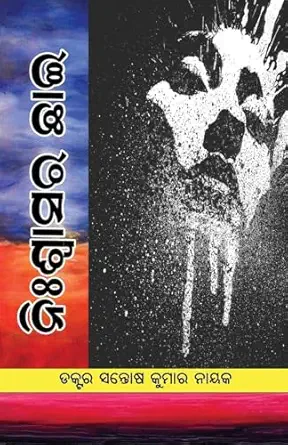
Nishwasara Chhai
₹180.00ଲକ୍ଷ୍ମୀନାଥ ବେଜବରୁଆଙ୍କ ‘ଲୋଭ’ ଗଳ୍ପଟି ଦ୍ୱାରା ମୋ’ର ଏହି ସଂକଳନର ଅନ୍ୟତମ ଗଳ୍ପ ‘ଜାଲ’ ପ୍ରାୟ ସଂପର୍କରେ ଘନିଷ୍ଠତର ହେବ। ସେଇପରି ‘ଶଠ’ ଗଳ୍ପଟି ତାରାଶଙ୍କର ବନ୍ଦ୍ୟୋପାଧ୍ୟାୟଙ୍କ ‘କାଲାପାହାଡ୍]’ ଗଳ୍ପଟି ଦ୍ୱାରା ପ୍ରଭାବିତ ହୋଇ ଲେଖାଯାଇଛି। ସଂକଳନର ଅନ୍ୟତମ ଗଳ୍ପ ‘ଦଶନମ୍ବର’ ମୋ ଜୀବନର ଏକ ଅଂଶ। ସେହିପରି ‘ମୂର୍ତ୍ତିମାନବୀ’ ମୋ’ର କୈଶୋର କାଳର ଅଭିଜ୍ଞତା ପ୍ରସୂତ।’କାର୍ତ୍ତିକ ପୁନେଇଁ’ ଗଳ୍ପର ଚରିତ୍ର, ସ୍ଥାନ ଓ କାଳ ଶହେ ଶତକଡ଼ା ସତ। ଟ୍ରେଜେରି ପାଖର ପୋଖରୀ ହିଁ ସେଇ ପୋଖରୀ। ଆମେ ନିଉକଲୋନୀରେ ରହୁଥିଲାବେଳେ ତଥା ମୋ’ହାଇସ୍କୁଲ୍ ସମୟରେ ଏହି ଗଳ୍ପର ଅନୁଭୂତି। ‘ଦୀପାବଳୀ’ ଗଳ୍ପଟିର ଥିମ୍ ନିଷ୍ଠୁର ବାସ୍ତବବାଦ ତଥା ଲେଖକୀୟ ଅନୁଭୂତି ଉପରେ ପ୍ରତିଷ୍ଠିତ। ‘ଦୀପାବଳୀ’ ଗଳ୍ପର ଘଟଣା ଆଜି ସମାଜର କୋଣାନୁକୋଣରେ ଘଟୁଛି। କିନ୍ତୁ ବଡ଼ କଥାଟା ହେଲା ସଂପର୍କର ଗ୍ରନ୍ଥି, ସଂପର୍କର ସାଂଦ୍ରତା। ଏହା ହିଁ ଗଳ୍ପର ମୂଳକଥା। ‘ମାସ୍]କଟ୍]’ ଗଳ୍ପ ମୋ କଲେଜ ଜୀବନ ଆରମ୍ଭ କାଳର ଅନୁଭୂତି। ୨୦୦୬-୦୭ ମସିହା ବେଳର ଅନୁଭୂତିକୁ ନେଇ ଏ ଗଳ୍ପଟି ରଚିତ। ବାଲି ବିଶ୍ୱକର୍ମା ଗଳ୍ପଟିରେ ଯେଉଁ କଥା ଘଟିଛି ମୋ’ ଦଶମ ଶ୍ରେଣୀ କାଳର ଅନୁଭୂତି ପ୍ରସୂତ। ଅବଶ୍ୟ ଏହା ପରୋକ୍ଷ ଅନୁଭୂତି ଥିଲା। ସେହିପରି ‘ବାଃ’ ଗଳ୍ପଟି ଅତ୍ୟନ୍ତ ହୃଦୟ ବିଦାରକ ସ୍ୱପ୍ନର ପରିଣାମ। ‘ଗୁଟି’ ଗଳ୍ପଟି ମଧ୍ୟ ରାସ୍ତାକଡ଼ର ଲୋକଙ୍କୁ ଦେଖି ମନରେ ଜନ୍ମିଥିବା କଳ୍ପନାର ଫଳ। କିନ୍ତୁ ‘ତପସ୍ୟା’ ଗଳ୍ପଟି ହଠାତ୍ ମୋ’ ମନରେ ଦିନେ ଲେଖିବାର ଅଜବ ଇଚ୍ଛା ରୂପରେ ଉଇଁଥିଲା। ପରିଣତି ଆପେ ଆପେ ହୋଇଛି। ଏ ଗଳ୍ପ କାଳରେ ଲେଖନୀଟି ମୋ’ଆୟତ୍ତରେ ନଥିଲା। ତେବେ ଗଳ୍ପ ସବୁ ମୋ’ର ଅତ୍ୟନ୍ତ ନିଜର; ଆପଣାର। ମୋ’ ଅତି ଘନିଷ୍ଠ ଆତ୍ମାର ସାଥୀ। ଏମାନଙ୍କ ବାବଦରେ ମୁଁ ଯେତେ କହିଲେ ମଧ୍ୟ କମ୍ ହେବ। ଆପଣମାନେ ଏଗୁଡ଼ିକର ସଫଳତା ଓ ବିଫଳତା ବିଚାର କରିବେ। — ସନ୍ତୋଷ କୁମାର ନାୟକ
-

Nistabdha Pruthibi
₹195.00Nistabdha Pruthibi is author’s second short story collection. This has 25 short stories based on contemporary issues author has experienced or observed during different situations. Stories would touch the Odia short story lovers worldwide.
-
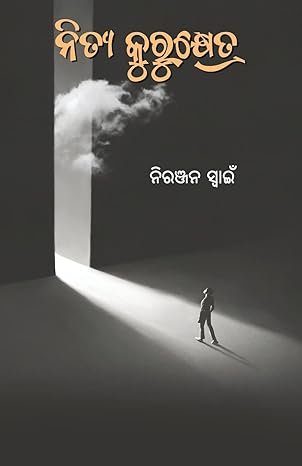
Nitya Kurukshetra
₹220.00କଲେଜ ମାଗାଜିନ ପାଇଁ ଲେଖାଟିଏ ଦେବାର ଅଭିଳାଷରୁ ମୋର କବିତା ଲେଖା ଆରମ୍ଭ । ବିଭିନ୍ନ ପତ୍ର ପତ୍ରିକା ମାନଙ୍କରେ କେତେକ କବିତା ପ୍ରକାଶିତ । ଜୟପୁର ରେଡିଓ ଷ୍ଟେସନରୁ ଯୁବବାଣୀ କାର୍ଯ୍ୟକ୍ରମରେ ନିୟମିତ ଭାବରେ କିଛି ବର୍ଷ କବିତା ପାଠ ସାଂଗକୁ କେତେକ ଅନୁଷ୍ଠାନ ଦ୍ୱାରା ପ୍ରଶଂସିତ ଓ ପୁରସ୍କୃତ ହେବା ସତ୍ତ୍ୱେ ମୁଁ ନିଜକୁ ଜଣେ କବି ଭାବରେ କେବେ ସ୍ୱୀକୃତି ଦେଇନାହିଁ । ତେଣୁ ଏସବୁ ଦିନେ ପୁସ୍ତକ ଆକାରରେ ପ୍ରକାଶ ପାଇବ ଏକଥା ମୋ ଚିନ୍ତାର ବାହାରେ ଥିଲା । ପ୍ରଥମେ ମୋର ସହକର୍ମୀ ସାହିତ୍ୟର ଶ୍ରଦ୍ଧାଳୁ ରସଗ୍ରାହୀ ପାଠକ ଶିକ୍ଷା ବିଭାଗର ଅଧ୍ୟାପକ ବଂଧୁ ଶ୍ରୀ ମଳୟ କୁମାର ନନ୍ଦୀ ମୋର କବିତାଗୁଡ଼ିକୁ ପଢ଼ି ପୁସ୍ତକଟିଏ ପ୍ରକାଶ କରିବାକୁ ପ୍ରସ୍ତାବ ଦେଲେ । ସେ ଦିଗରେ ମୋର ଅନାଗ୍ରହ ଦେଖି ପ୍ରକାଶନର ସମସ୍ତ ଦାୟିତ୍ୱ ସେ ନେବେ ବୋଲି ପ୍ରତିଶ୍ରୁତି ଦେଲେ । ତେଣୁ ତାଙ୍କର ପ୍ରୋତ୍ସାହନ କେବଳ ନୁହେଁ ବରଂ ସମସ୍ତ ଦାୟିତ୍ୱ ବହନ ପାଇଁ ତାଙ୍କ ପାଖରେ ମୁଁ କୃତଜ୍ଞ କହିବାଟା ଯଥେଷ୍ଟ ହେବ ନାହିଁ । ମୋ କବିତାର ପ୍ରଥମ ପାଠିକା ମୋର ସହଧର୍ମିଣୀ ଶ୍ରୀମତି ଗାୟତ୍ରୀ ଦେବୀ ସବୁବେଳେ ଅଭିମାନରେ କହି ଆସିଛନ୍ତି ତୁମେ କେବଳ ଲେଖିବ କିନ୍ତୁ କେବେ ବହି ଖଣ୍ଡେ ପ୍ରକାଶ କରି ପାରିବନି । ତାଙ୍କର ଏହି ଅଭିମାନଭରା କଥା ପୁସ୍ତକ ପ୍ରକାଶନ ଦିଗରେ ମୋତେ ପ୍ରୋତ୍ସାହିତ କରିଛି । କେତେକ କବିତା ପୂର୍ବରୁ ବିବିଧ ପତ୍ରପତ୍ରିକାମାନଙ୍କରେ ପ୍ରକାଶ ପାଇଛି । ଏହି ଅବସରରେ ସେସବୁ ପତ୍ରିକାର ସଂପୃକ୍ତ କର୍ମକର୍ତ୍ତାମାନଙ୍କ ପାଖରେ ମୁଁ କୃତଜ୍ଞତା ଜ୍ଞାପନ କରୁଛି । ସୁହୃତ୍ ବଂଧୁ ଆଶିଷ ମହାନ୍ତିଙ୍କ ପ୍ରକାଶନ ଦିଗରେ ସହଯୋଗ ପାଇଁ ବିଶେଷ ଧନ୍ୟବାଦ । – ନିରଞ୍ଜନ ସ୍ୱାଇଁ
-
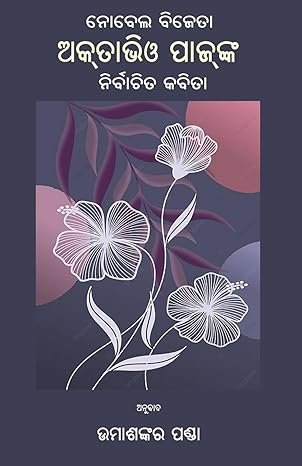
Nobel Bijeta Octavio Paz nka Nirbachita Kabita
₹220.00ଉମାଶଙ୍କର ପଣ୍ଡାଙ୍କ ଓଡ଼ିଆ ସାହିତ୍ୟଜଗତକୁ ତାଙ୍କର ଜୀବନବ୍ୟାପି ଅବଦାନ ପାଇଁ ଓଡ଼ିଶା ସାହିତ୍ୟ ଏକାଡ଼େମୀ ୨୦୦୪ ମସିହାରେ ସର୍ବୋଚ୍ଚ ଅତିବଡ଼ୀ ସମ୍ମାନରେ ସମ୍ମାନିତ କରିଥିଲା । ଏତଦ୍]ବ୍ୟତୀତ ସେ ବିଷୁବ ସମ୍ମାନ, ଝଙ୍କାର କାବ୍ୟ ସମ୍ମାନ, ଭୁବନେଶ୍ୱର ପୁସ୍ତକମେଳା ସମ୍ମାନ, ସାରଳା ସମ୍ମାନ, ଫକୀର ମୋହନ ଗଳ୍ପ ସମ୍ମାନ, ଅଖିଳ ପଟ୍ଟନାୟକ ବିଶେଷ କବି ସମ୍ମାନ, କବିତାୟନ କବି ସମ୍ମାନ, ଧରିତ୍ରୀ ସାହିତ୍ୟ ସମ୍ମାନ ଆଦି ପଚାଶରୁ ଊର୍ଦ୍ଧ୍ୱ ସମ୍ମାନରେ ସମ୍ମାନିତ ।
ସେ ୬୭ଟି ବେତାର ନାଟକ, ପଚାଶରୁ ଊର୍ଦ୍ଧ୍ୱ ବେତାର ସଂଗୀତ ରୂପକ ଓ ଅନେକ ଓଡ଼ିଆ ତଥା ସମ୍ବଲପୁରୀ ଗୀତିକବିତାର ସ୍ରଷ୍ଟା । ତାଙ୍କ ରଚିତ ସମ୍ବଲପୁରୀ ସଂଗୀତ ରୂପକ ‘ଗାଆଁକେ ଯିମା ଚାଲ’ ସର୍ବଭାରତୀୟ ସ୍ତରରେ ଭାରତ ସରକାରଙ୍କର ସୂଚନା ଓ ପ୍ରସାରଣ ମନ୍ତ୍ରାଳୟ ଦ୍ୱାରା ୨୦୦୦ ବର୍ଷରେ ଶ୍ରେଷ୍ଠ ବିବେଚିତ ହୋଇ ପ୍ରଥମ ପୁରସ୍କାର ଲାଭ କରିଥିଲା ।
‘ନିଶବ୍ଦ ନୂପୁର’ହେଉଛି କବି ଉମାଶଙ୍କର ପଣ୍ଡାଙ୍କର ପଞ୍ଚମ କବିତା ସଂକଳନ, ଯାହାକି ୧୯୮୪ ମସିହାର ଓଡ଼ିଶା ସାହିତ୍ୟ ଏକାଡେମୀ ପୁରସ୍କାର ପାଇଥିଲା ।
-
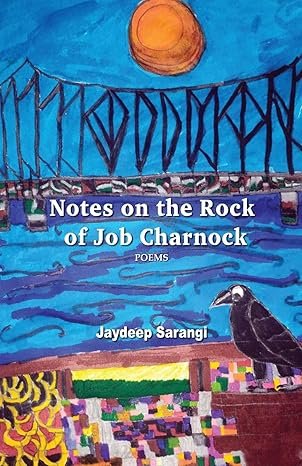
Notes on the Rock of Job Charnock
₹250.00The theme of this collection is Kolkata; the city, its heritage, history, people and landscape. Many claim that Job Charnock founded the city. Some historians opine differently. Flowing deep river Ganges is a holy mind space here. Great souls are cremated on its holy banks. Some spiritual hubs have settled over the decades. I recall all visitors with whom I paid visits to many ghats of the Ganges in different times. Matters of the heart are more than just physical. No change in me has happened to me as a primeval lover.
-
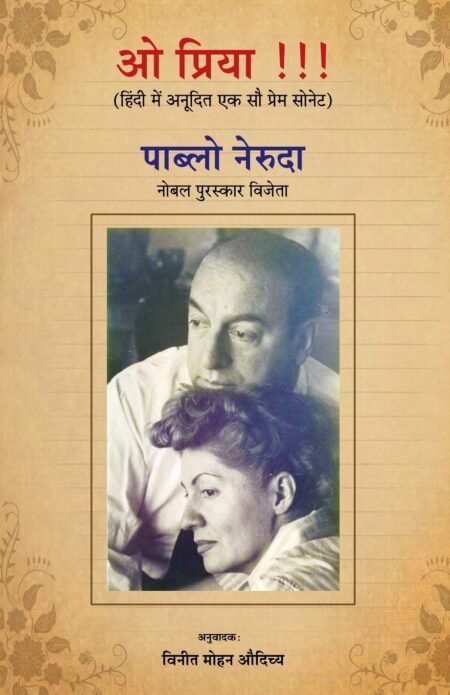
O Priya-ek sau prem sonnet
₹180.00This is a collection of romantic poems. Originally written in Odia language by Golak Chandra Dalai, all the poems are well translated by Insar Alli Khan. All the poems are written on two protagonists – Hemlata and Payal.
-
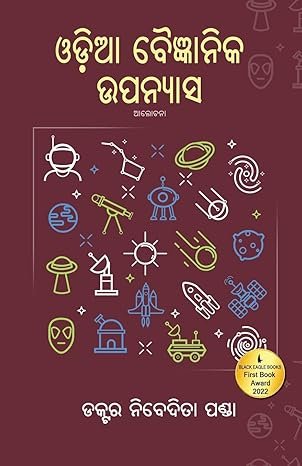
Odia Baigyanika Upanyasa
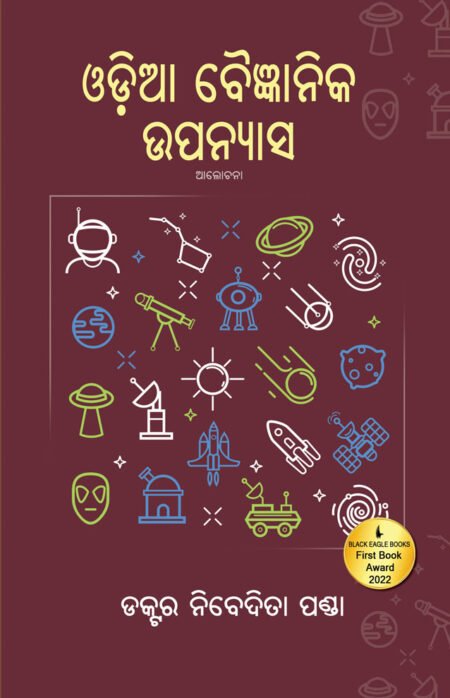
₹260.00ଓଡ଼ିଆ ସାହିତ୍ୟରେ ବୈଜ୍ଞାନିକ ଉପନ୍ୟାସର ସୃଷ୍ଟି ସ୍ୱାଧୀନତାର ପରବର୍ତ୍ତୀ କାଳରେ ଯାହାର ଅଗ୍ରଦୂତ ହୋଇଛନ୍ତି ଡକ୍ଟର ଗୋକୁଳାନନ୍ଦ ମହାପାତ୍ର । ସେ ହେଉଛନ୍ତି ପ୍ରଥମ ସ୍ରଷ୍ଟା । ତାଙ୍କ ଦ୍ୱାରା ରଚିତ ପ୍ରଥମ ଓଡ଼ିଆ ବୈଜ୍ଞାନିକ ଉପନ୍ୟାସ “ପୃଥିବୀ ବାହାରେ ମଣିଷ” ୧୯୫୨ ମସିହାରେ ପ୍ରକାଶିିତ । ଔପନ୍ୟାସିକ ଗୋକୁଳାନନ୍ଦ ମହାପାତ୍ର ଏ କ୍ଷେତ୍ରରେ ଯେଉଁ ଉଦ୍ୟମ କରିଛନ୍ତି ତାହା ବାସ୍ତବରେ ପ୍ରଂଶସନୀୟ । ଗୋକୁଳାନନ୍ଦ ମହାପାତ୍ରଙ୍କ ପରେ ଏ କ୍ଷେତ୍ରରେ ଯୋଗଦେଲେ ଡଃ. ନୃସିଂହଚରଣ ପଣ୍ଡା, ଡଃ. ଦେବକାନ୍ତ ମିଶ୍ର, ଡଃ. ଅମୂଲ୍ୟ କୃଷ୍ଣ ମିଶ୍ର, ଡଃ. ପ୍ରତିଭା ରାୟ, ଡଃ. ଜ୍ୟୋର୍ତିମୟୀ ମହାନ୍ତି, ଡଃ. ପ୍ରମୋଦ କୁମାର ମହାପାତ୍ର ପ୍ରମୁଖ ଔପନ୍ୟାସିକ ଏବଂ ଔପନ୍ୟାସିକାଗଣ ।
ଓଡ଼ିଆ ସାହିତ୍ୟରେ ସଂଖ୍ୟା ଦୃଷ୍ଟିରୁ ବୈଜ୍ଞାନିକ ଉପନ୍ୟାସଗୁଡ଼ିକର ରଚନା ସ୍ୱଳ୍ପ ହେଲେ ମଧ୍ୟ ଏଗୁଡ଼ିକର ଆବେଦନ ଖୁବ୍ ବଳିଷ୍ଠ । ଏକବିଂଶ ଶତାବ୍ଦୀର ମନୁଷ୍ୟ ବୈଜ୍ଞାନିକ ଉପନ୍ୟାସ ଜରିଆରେ ଭବିଷ୍ୟତ କଥକ, ନୂତନ ତଥ୍ୟ, ନିଜର ଭବିଷ୍ୟତ ସଂପର୍କରେ ଜାଣିବା ପାଇଁ ଏହି ବୌଦ୍ଧିକ କାର୍ଯ୍ୟକୁ ଉଚିତ୍ ମନେକରିଛି ଏବଂ ପ୍ରଯୁକ୍ତିବିଦ୍ୟାର ଅଗ୍ରଗତି ସହିତ ତାଳ ଦେଇ ପ୍ରକାଶନର ପରିପାଟୀକୁ ମଧ୍ୟ ଅତ୍ୟଧିକ ପ୍ରାଣବନ୍ତ କରିବାରେ ସଫଳ ହୋଇପାରିଛି । ତେଣୁ ବିଜ୍ଞାନକୁ ଆଧାର କରି ଯେଉଁ ଉପନ୍ୟାସ ଗୁଡ଼ିକ ରଚିତ ତାକୁ ଅଧ୍ୟୟନ କଲେ ମନରେ ଆସେ ଅଜସ୍ର ଜିଜ୍ଞାସା । ଯାହାକୁ ଭିତ୍ତିକରି ଉକ୍ତ ପୁସ୍ତକର ପ୍ରବନ୍ଧଗୁଡ଼ିକ ସମାବିଷ୍ଟ । ନିଃସନ୍ଦେହରେ କୁହାଯାଇପାରେ ଯେ ଏଯାବତ୍ ଓଡ଼ିଆ ବୈଜ୍ଞାନିକ ଉପନ୍ୟାସକୁ ନେଇ ବିଶେଷ ସମାଲୋଚନା ପୁସ୍ତକ ପ୍ରକାଶ ପାଇନାହିଁ । ତେଣୁ ଏହି ପୁସ୍ତକରେ ସାତୋଟି ଅଧ୍ୟାୟରେ ବୈଜ୍ଞାନିକ ଉପନ୍ୟାସ ଗୁଡ଼ିକର ଅନୁଶୀଳନାତ୍ମକ ବ୍ୟାଖ୍ୟା କରାଯାଇ ତାର ଅନ୍ତନିର୍ହିତ ଉପାଦାନ ସବୁକୁ ଲୋକଲୋଚନକୁ ଅଣାଯାଇଛି ।
-
-

Odia Bisheshya
₹250.00ଭାଷା ମାଧ୍ୟମରେ ଆମେ ନିଜର ମନର ଅନ୍ତର ଚିନ୍ତାକୁ ଗଢ଼ିଥାଉ ଓ ଭାବକୁ ଅନ୍ୟ ନିକଟରେ ପ୍ରକାଶ କରିଥାଉ । ବକ୍ତା ଓ ଶ୍ରୋତା ପରସ୍ପର ମଧ୍ୟରେ ଭାବବିନିମୟ କରିବା ନିମିତ୍ତ ଖୋଜିଥାନ୍ତି କିଛି ଶବ୍ଦ ଏବଂ ଶବ୍ଦଗୁଡ଼ିକ ଶୃଙ୍ଖଳିତ ଭାବରେ ସଜ୍ଜିତ ହୋଇ ଭାବପ୍ରକାଶ କରିବାରେ ସହାୟକ ହୋଇଥାନ୍ତି । କହିବାକୁ ଗଲେ ପ୍ରତ୍ୟେକ ଜାତି ତା’ର ନିଜର ‘ମାତୃଭାଷା’ରେ ଭାବପ୍ରକାଶ କରିବାରେ ଯେତିକି ସହଜ ଅନୁଭବ କରିଥାନ୍ତି ସେତିକି କଷ୍ଟ ବି ଅନୁଭବ କରିଥାନ୍ତି ନିଜର ମାତୃଭାଷାକୁ ବୁଝିବାରେ ଏବଂ ବୁଝାଇବାରେ । କିନ୍ତୁ ଶବ୍ଦକୁ ନେଇ ଖେଳିବାର ଦୁଃସାହସ, ପଦକୁ ବ୍ୟବଚ୍ଛେଦକରି ତା’ର କ୍ଷୁଦ୍ରାତିକ୍ଷୁଦ୍ର ସତ୍ତାକୁ ବିଶ୍ଳେଷଣ କରିବାର ଦୁର୍ବାର ଆଗ୍ରହ ହେତୁ “ଓଡ଼ିଆ ବିଶେଷ୍ୟ” ନାମକ ଏହି ପୁସ୍ତକଟି ପରିଯୋଜିତ ହୋଇଛି ।
-
Odia Champu Sahitya
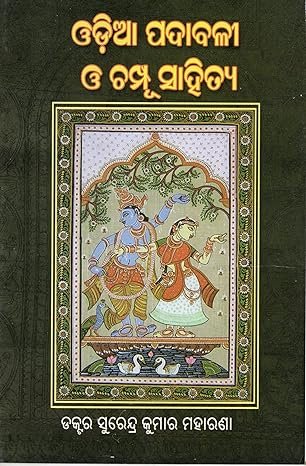
₹160.00Odia Padabali O Champu Sahitya” by Dr. Surendra Kumar Maharana is a scholarly work that provides a detailed exploration of two important genres of Odia classical literature — Padabali and Champu Sahitya. This book delves into the historical background, literary significance, poetic styles, themes, and cultural influence of these genres, which are closely associated with Odisha’s devotional and artistic heritage. The author offers critical analysis and literary interpretations, making it an essential resource for students, researchers, and literature enthusiasts. Rich with references to notable poets and their compositions, the book is especially useful for UGC NET Odia, MA in Odia, SLET, and other competitive exams related to Odia literature.
-
Odia Galpa: Antaranga Charitra
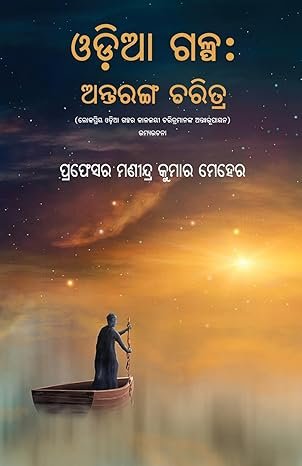
₹200.00ଫକୀର ମୋହନଙ୍କ ଗଳ୍ପଠାରୁ ଆରମ୍ଭ କରି ଗୋଟିଏ ଗୋଟିଏ ସୁନିର୍ବାଚିତ ଗଳ୍ପର କାଳୋତ୍ତୀର୍ଣ୍ଣ ଚରିତ୍ରମାନେ ମୋ ପ୍ରତି ଏତେ ସ୍ନେହାର୍ଦ୍ର ଓ ସମ୍ବେଦନଶୀଳ ହେବେ ଓ ହୃଦୟକୁ ମୋର ପ୍ରବେଶ କରି ମନ୍ଥିତ କରିବେ ସେମାନଙ୍କ ଭାବନାରେ, ଏହା ଥିଲା ମୋର ଅଜ୍ଞାତ । ପାରମ୍ପରିକ ରୀତିରେ କ୍ଷୁଦ୍ରଗଳ୍ପର ଅନୁଶୀଳନ ନ କରି ପ୍ରତ୍ୟେକ ମାସ ପାଇଁ ଯେଉଁ ଗୋଟିଏ ଗୋଟିଏ ଚରିତ୍ରର ଅନ୍ତଃରୂପାୟନ କରିବାର ନିଷ୍ପତ୍ତି ନେଲି; ଆଶ୍ଚର୍ଯ୍ୟର କଥା ଯେ ସେହି ଚରିତ୍ର ସକଳ ମୋତେ ମାଧ୍ୟମ କରି ପ୍ରକାଶ କଲେ ନିଜ ନିଜ ବିରଳ ଆତ୍ମାନୁଭୂତି । ‘ରେବତୀ’ ପତ୍ରିକାରେ ନିୟମିତ ଭାବରେ ଏହା ପ୍ରକାଶିତ ହେବା ଯେତେବେଳେ ଆରମ୍ଭ ହେଲା ସହୃଦୟ ପାଠକମାନଙ୍କୁ ତାହା ବିଗଳିତ କଲା ଭିନ୍ନ ଭାବରେ । ବାସ୍ତବରେ ସେମାନଙ୍କ ଅନ୍ତର୍କଥା ବା ଅନ୍ତର୍ବ୍ୟଥା ଲେଖୁଥିବା ବେଳେ ମୋର ସମଗ୍ର ଚେତନା ତାଙ୍କରି ଆୟତ୍ତାଧୀନ । ପରେ ଭାବିଛି ସାହିତ୍ୟର ବ୍ୟାଖ୍ୟା ଓ ବିଶ୍ଳେଷଣ ଏକ ଛାଞ୍ଚଢ଼ଳା ରୀତିରେ ନ ହୋଇ ସୃଜନାତ୍ମକ ଶୈଳୀର ଅବଲମ୍ବନ ଦ୍ୱାରା କାହିଁକି ନ ହୋଇ ପାରିବ ଭିନ୍ନ ଭିନ୍ନ? ନୂତନ ପିଢ଼ିର ଛାତ୍ରଛାତ୍ରୀମାନଙ୍କ ସକାଶେ ନ ହେବ କାହିଁକି ନବ-ଚେତନା ଉଦ୍ରେକକାରୀ ଭାବରେ ପରିପୂର୍ଣ୍ଣ ! ଏ ପ୍ରକାରର ଚରିତ୍ରାନୁଶୀଳନ ସାହିତ୍ୟର ଅନେକ ଛାତ୍ରଛାତ୍ରୀ ଅଧ୍ୟାପକ ଅଧ୍ୟାପିକା ଓ ସାଧାରଣ ବର୍ଗର ସୁପାଠକମାନେ ଯେପରି ଉଦାରତାର ସହିତ ଗ୍ରହଣ କଲେ ଓ ସେମାନଙ୍କ ଅନ୍ତର୍ଭେଦୀ ଅଭିମତ ପ୍ରକାଶ କରି ମୋତେ ଅଭିଭୂତ କରିଦେଲେ ତାହା ମଧ୍ୟ ମୋ ପାଇଁ ପ୍ରକୃତରେ କଳ୍ପନାତୀତ । ଓଡିଶାର ଭିନ୍ନ ରୁଚି ସମ୍ପନ୍ନ ପ୍ରାଜ୍ଞ ପାଠକଙ୍କଠାରୁ ଏ ରମ୍ୟରଚନା ପୁସ୍ତକଟି ମଧ୍ୟ ଉପଯୁକ୍ତ ସମାଦର ଲାଭ କରିପାରିବ, ଏହି ପ୍ରତ୍ୟୟ ନିଃସଙ୍କୋଚ ଅଥଚ ନମ୍ରତାର ସହିତ ପ୍ରକାଶ କରି ରହୁଛି ଏତିକିରେ ।
—- ମଣୀନ୍ଦ୍ର କୁମାର ମେହେର
-
Odia Kabitara Nabaprastha
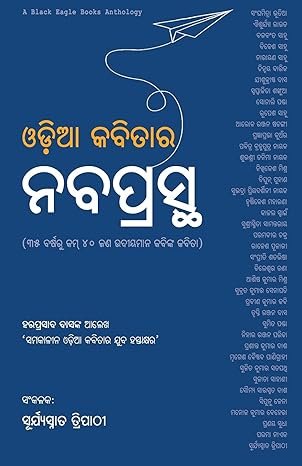
₹300.00Odia Kabitaara Nabaprastha is a unique initiative by Black Eagle Books that brings together 40 contemporary young voices in Odia poetry, who are below 35 years of age. Undoubtedly, this anthology is a necessary addition into the rich canon of modern Odia poetry. The poems in this collection exhibit a myriad of themes, ranging from classical and contemporary to spiritual and metaphysical, through varying style and distinguished voice of the poets. The preface written by eminent poet Haraprasad Das offers an insight into the richness and diversity of the modern Odia poetic tradition that is growing in its corpus through the young voices included in this collection and many outside it. Whether you are making your first foray into the arena of evolving modern Odia poetry or you are a connoisseur of Odia poetry, this collection is a must read.