-

Parikrama
₹140.00Parikrama, a collection of poems, is a series of meditation on life and death, on the nature of time and above all remarkably on the art of writing poetry. One of thirty poems, entitled “There are No Islands”, gives an idea of the favorite theme and images of JP’s poetry. Parikrama has received Saraswati Samman in 2006.
-
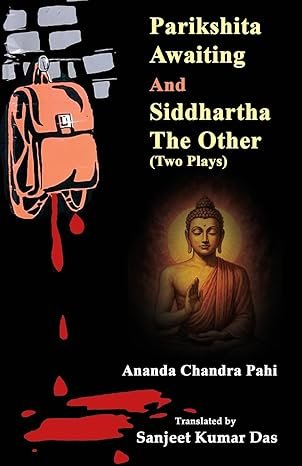
Parikshit Awating and Siddharth the Other
₹250.00The plot of the play Parikshita Awaiting is based on social realism, how a small kid gets affected by the incidents happening in the surroundings every day, and fear engulfs the senior most persons in the family and society. I have stated above that culture/ society/environment shapes an individual. Parikshita, the play’s protagonist, and other family members, like two sons, Sandeep and Pradeep and wife, Shashwati, are sprayed by the fear complex at home. This fear factor engulfs the entire family members when Parikshita opens the letter inserted in the door stating, ‘Your head will be severed from the body’. That was written by a child, Chintu, a classmate of Parikshita’s younger son, Pradeep. He writes it out of anger. But the family members and neighbours think that a hardcore criminal or goon has chalked out this evil plan carefully.
The protagonist, Siddhartha, in the second play, Siddhartha, the Other, makes the people aware of the life they have been blessed with on this planet. He doesn’t discuss salvation, nirvana, moksha, or enlightenment like Goutam Buddha. Here, he advocates for the people on Earth to focus on the work that will make them immortal. In this play, Siddhartha, the only son of the industrialist Rajendra, leaves his father, fiancée Lopa and friend Sambit to meditate in the dense forest full of wild creatures of the Mountain of Himalayas. Rajendra, Lopa, and Sambit, accompanied by security personnel, have followed him since he ran away from home. While meditating, he visits heaven in his dream and meets the God of Wealth, Kubera and Agni Deva, the God of Fire, and finally, Vishnu, God the Almighty. Siddhartha asks them, “How can the people on Earth attain the immortal life you all experience here in heaven?” Their answers bring out the new changes in Siddhartha’s life. Where there is no death, there is no life. There is nothing new. No changes are marked in the life. Our ever-youthfulness and eternal spring in heaven make our life monotonous and disappointing. We have been suffering this life since time immemorial as if cursed. But the people on Earth like you think that we enjoy life here. Variety is the beauty of life that you all experience there. Sometimes, some of us step down to Earth and get thrilled. Initially, he requests the Almighty to bless the people with jatismara(the power to recollect their past lives). But later, he understood the repercussions of that.
-
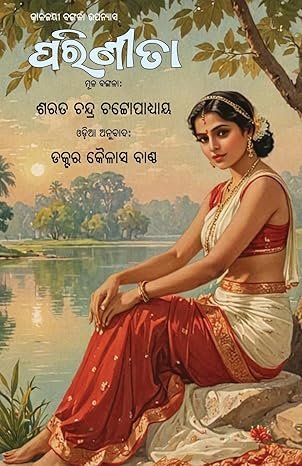
Parineeta
₹180.00ବଙ୍ଗୀୟ ଔପନ୍ୟାସିକ ଶରତଚନ୍ଦ୍ରଙ୍କ ‘ପରିଣୀତା’ ଉପନ୍ୟାସ ଏକ ବହୁଚର୍ଚ୍ଚିତ, ବହୁ ଭାଷାରେ ଅନୂଦିତ ସାର୍ଥକ ଉପନ୍ୟାସ, ଯେଉଁଠି ଭାରତୀୟ ସମାଜର ପ୍ରେମ, ପ୍ରଣୟ ଓ ମଧୁର ସମ୍ପର୍କର ଚିତ୍ର ବେଶ ପ୍ରତିଫଳିତ। ଏହାର କଥାବସ୍ତୁ କେତୋଟି ଯୁବ ସୁଲଭ ପ୍ରାଣର ପ୍ରବାହକୁ ନେଇ ଚଳ ଚଞ୍ଚଳ। ଭଲ ପାଇବା-ତହିଁରୁ ସମ୍ପର୍କର ମାନସିକ ସଂଘର୍ଷ ସୃଷ୍ଟି, ସନ୍ଦେହର ଘନ କୁହେଳି, ଧାର୍ମିକ ବାତାବରଣକୁ ନେଇ ସାମାଜିକ ସମ୍ପୃକ୍ତି, ପ୍ରେମର ପବିତ୍ରତା, ଚରତ୍ରଗୁଡିକର ସରଳତା ଓ ନିର୍ଦ୍ଦୋଷତା, ସର୍ବୋପରି ପ୍ରେମର ଜୈତ୍ର ପତାକାର ବିଜୟୋତ୍ସବକୁ ସ୍ରଷ୍ଟା ନିଖୁଣ ରୂପେ ବର୍ଣ୍ଣନା କରିଛନ୍ତି।
ଔପନ୍ୟାସିକଙ୍କ ରଚନା ଶୈଳୀ ଓ ଭାଷା ସମ୍ପୂର୍ଣ୍ଣ ସରଳ, ତରଳ, ଭାବଗମ୍ଭୀର ତଥା ବହୁ ଅର୍ଥପୂର୍ଣ୍ଣ। ଯେଉଁଠି ଯେତିକି ଆବଶ୍ୟକ ସ୍ରଷ୍ଟା ତାକୁ ହିଁ ଉପଯୋଗ କରିଛନ୍ତି। ପରିଣୀତା ଏକ ପ୍ରେମ କାହାଣୀ ନୁହେଁ ବରଂ ବଙ୍ଗୀୟ ସାମାଜିକ, ସାଂସ୍କୃତିକ ବୈଭବକୁ ସୂକ୍ଷ୍ମ ବିଶ୍ଳେଷଣ କରିଛି ଯାହାକୁ ଅନୁବାଦକ ଡକ୍ଟର କୈଳାସ ବାଣ୍ଠ ସୁନ୍ଦର ଓ ମାର୍ଜ୍ଜିତ ଭାଷାରେ ଅନୁସୃଜନ କରିଛନ୍ତି। କୋରାପୁଟରେ ଥିବା ସମୟରେ ସେ ଏହାର ମୂଳଭିତ୍ତି ପକାଇଥିଲେ। ମୁଁ ଜାଣିବାରେ ସେ ଜଣେ ପ୍ରଗଳଭ ଶ୍ରେଣୀକକ୍ଷର ଅଧ୍ୟାପକ ଓ ସାରସ୍ୱତ ସଭାମଞ୍ଚର ବାଗ୍ମୀ ବକ୍ତା। ଶବ୍ଦ ଓ ଭାଷାର ଯାଦୁକାରୀ ସ୍ପର୍ଶରେ ସେ ସମସ୍ତଙ୍କୁ ଆକୃଷ୍ଟ କରିପାରନ୍ତି। ତେଣୁ ଅନୁବାଦକଙ୍କର ଭାଷା ଖୁବ ହୃଦୟସ୍ପର୍ଶୀ ବୋଲି ମୁଁ ନିଜେ ଅନୁଭବ କରିଛି। ଆଶା, ଏହା ବହୁ ପାଠକୀୟ ଆଦୃତି ବୃଦ୍ଧି କରିବାରେ ତାଙ୍କୁ ସହାୟକ ହେବ।
ଅନୁସୃଜନଟି ଓଡ଼ିଆ ସାହିତ୍ୟକୁ ତା’ର ଯଥେଷ୍ଟ ଅବଦାନ ରଖିବ କାରଣ ଅନୁବାଦକ ଅନୁବାଦର ସମସ୍ତ ବିଧି ଓ ବିଧାନକୁ ସାଦରେ ଗ୍ରହଣ କରିଛନ୍ତି। ତାଙ୍କର ଶ୍ରମ ସାର୍ଥକ ହେଉ, ଏହାହିଁ ଆଶା କରୁଛି।
–ସଞ୍ଜିତ କୁମାର ଦାସ, ଅଧ୍ୟାପକ, ଇଂରେଜୀ ଭାଷା ଓ ସାହିତ୍ୟ ବିଭାଗ, କେନ୍ଦ୍ରୀୟ ବିଶ୍ୱବିଦ୍ୟାଳୟ, ଓଡ଼ିଶା, କୋରାପୁଟ
-
Paritranaya Sadhunam
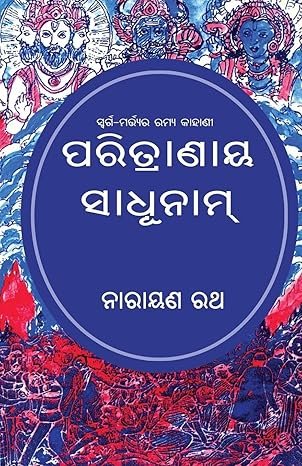
₹200.00“ପରିତ୍ରାଣାୟ ସାଧୁନାମ୍]’ ତେରଟି ହାସ୍ୟରସାତ୍ମକ, କଳ୍ପନା ରୂପାନ୍ତରିତ ଗଳ୍ପରେ ସଂକଳିତ ରଚନା; ଯାହାର କିଛି ଗଳ୍ପ The Odisha Society of the Americas (OSA) ମାଗାଜିନ୍]ରେ ବିଭିନ୍ନ ସମୟରେ ପ୍ରକାଶିତ ହୋଇଅଛି। ତଦାନୀନ୍ତନ ଅନୁଭୂତି ଓ କଳ୍ପନାରେ ଆଧାରିତ ଗଳ୍ପ ସମୂହ ପାଇଁ ମୁଁ ମୋର ଅନେକ ସ୍ୱର୍ଗତଃ ଏବଂ ବର୍ତ୍ତମାନର ବନ୍ଧୁମାନଙ୍କ ପାଖରେ କୃତଜ୍ଞ। ଅଳ୍ପ କିଛି ଗଳ୍ପ ନେଇ ଏହି ପୁସ୍ତକର ପ୍ରଥମ ମୁଦ୍ରଣ ପ୍ରକାଶନ ୨୦୦୫ ମସିହାରେ ସ୍ୱର୍ଗତ ଡ. କାର୍ତ୍ତିକେଶ୍ୱର ପାତ୍ର (ବାଲେଶ୍ୱରର ପୂର୍ବତନ ଏମ୍]ପି)ଙ୍କ ପ୍ରେରଣା ଓ ଆନୁକୂଲ୍ୟରେ ଦୀନକୃଷ୍ଣ ସ୍ମୃତି ପରିଷଦ ତରଫରୁ ଏବଂ ଦୀନକୃଷ୍ଣ କଲେଜର ପୂର୍ବତନ ଅଧ୍ୟକ୍ଷ ଶ୍ରୀ ବିପିନ ବିହାରୀ ବିଶ୍ୱାଳଙ୍କ ସହଯୋଗରେ ହୋଇଥିଲା; ଯାହାଙ୍କୁ ମୋର ବିଶେଷ ଧନ୍ୟବାଦ ଏବଂ ପ୍ରଚ୍ଛଦର ମୂଳରୂପ ଡିଜାଇନର୍ ଅଶୋକ ମହାନ୍ତି (ଭଦ୍ରକ) ଏବଂ ତାହାର ରୂପାନ୍ତର ନିମନ୍ତେ ଶ୍ରୀ ଅଶୋକ ପରିଡ଼ାଙ୍କୁ ଅଶେଷ ଧନ୍ୟବାଦ ଓ ପୁସ୍ତକର ପୁନଃପ୍ରକାଶ ନିମନ୍ତେ ପାଇଁ ମୁଁ ଶ୍ରୀ ସତ୍ୟ ପଟ୍ଟନାୟକଙ୍କ ପ୍ରତି କୃତଜ୍ଞ। “Teachers live in Eternity” ସ୍ୱର୍ଗତଃ କାର୍ତ୍ତିକେଶ୍ୱର ପାତ୍ର ଥିଲେ ସେମିତି ଜଣେ ଉଦାର ଶିକ୍ଷକ ଓ ପଥପ୍ରଦର୍ଶକ। ତେଣୁ ଏହି ମୁଦ୍ରଣର ବହିଟିକୁ ସ୍ୱର୍ଗତ କାର୍ତ୍ତିକେଶ୍ୱର ପାତ୍ରଙ୍କ ସ୍ମୃତିରେ ପାଠକଗଣଙ୍କୁ ତର୍ପଣ କରୁଛି।
–ଡକ୍ଟର ନାରାୟଣ ଚନ୍ଦ୍ର ରଥ, ଫେଏଟିଭିଲ, ଆରକନ୍ସା, ୨୦୨୫
-

Pasanara Prema Sangeeta
₹130.00Pasanara Prema Sangeeta was originally published in 2013 by Bharat Bharati, Cuttack. This is the international edition for global Odia readers. The collection has sixty one poems written in two spans – some poems are written between 1983 and 1984 and some are in 2012. Half of the poem “Jibanachhanda” is written in 1984 and other half in 2012. Many poems are written around the immigrant’s feelings and nostalgia.
-

Patha Antahina
₹200.00ମୁଁ ଜଣେ ସାଧାରଣ ମଣିଷ ଓ ମୁଁ ପ୍ରକୃତିର ପୂଜକ । ନିତିଦିନର ବାସନା, ଇଚ୍ଛା, ହସ, ଖୁସି, ଆମ ସମାଜର ଚଳଣି, ମତେ ପ୍ରଭାବିତ କରେ ।
ଜୀବନର ସୁଖ, ଦୁଃଖ ଆଶା ନିରାଶା, ଆମ ସମାଜ ଓ ସଂସ୍କୃତିକୁ ମୁଁ ଯେତିକି ସମ୍ମାନ ଦିଏ, ଆମ ସମାଜର ଦୁର୍ବଳତା ପ୍ରତି ମଧ୍ୟ ମୋର ଧ୍ୟାନ ଯାଏ । ମୁଁ ମୋ କବିତା ସରଳ ଓ ସ୍ୱାଧୀନ ଭାବରେ ବ୍ୟକ୍ତ କରିବାକୁ ଚେଷ୍ଟା କରେ । ଭାବେ କବିର କଳ୍ପନା ଓ ଚିନ୍ତାଧାରା ସଦା ଜୀବନ୍ତ । ଏଥିରେ ବୟସର ସୀମା ନଥାଏ । ନିଜର କଳ୍ପନା, ବାସ୍ତବତା, ସାମାଜିକ ଜୀବନ ଶୈଳୀ ଏବଂ ପୃଥିବୀର ପ୍ରାକୃତିକ ପରିବେଶ ସହ ନିଜର କଳ୍ପନା ହିଁ ତାର ପ୍ରେରଣାର ଉତ୍ସ । ସେ କେବଳ ନିଜକୁ ବ୍ୟକ୍ତ କରିବାକୁ ଚାହେଁ । ପୃଥିବୀର ବାସ୍ତବିକତାକୁ ନେଇ ସେ ତାର ମନ ଓ ମତ ପ୍ରକାଶ କରିଥାଏ ।
ମୋର କବିତାଗୁଡ଼ିକ ଆଜିକାଲିର ବହୁତ ସମୟ ଉପଯୋଗୀ ବିଷୟ ବସ୍ତୁ ଉପରେ ଆଧାରିତ । ଏଇ କବିତାଗୁଡ଼ିକ ପ୍ରକୃତିର ବର୍ଣ୍ଣନା ଓ ସୌନ୍ଦର୍ଯ୍ୟର ଉପାସନା ସଙ୍ଗେ ସଙ୍ଗେ ସାମାଜିକ ନ୍ୟାୟ, ପ୍ରଥା ଓ ସମସାମୟିକ ବିଷୟବସ୍ତୁ ଉପରେ ଆଲୋକ ପ୍ରାପ୍ତ କରୁଛି ଏହାହିଁ ଏ କବିତା ସବୁର ଲକ୍ଷ୍ୟ ।
ଆଶାକରେ ଆପଣମାନେ ମୋ କବିତା ପଢ଼ି ମତେ ଆନନ୍ଦିତ କରିବେ ।
—ପ୍ରିୟଦର୍ଶିନୀ ମହାନ୍ତି
-

Patha Bahudura
₹200.00A short story collection in Odia. Surendra Mishra is a novelist and short story writer in Odia. He was born in 1958 in Biripata village of Jajpur district. Mishra got Odisha Sahitya Academy award for his story collection “Panjuri o anyanya galpa”
-

Paunshara Pandulipi
₹130.00Paunshara Pandulipi (The Manuscript of the Ashes), a collection of twenty-five love songs of Sahitya Akademi award winner author Gourahari Das define the life of love and imagination that endows thrilling moments of beauty leading the readers to strange areas of experience- to love, to bleed, to pine for that and be lost at last in its immortality. In the back drop of the subtle melancholy of the mellifluous lyrical verses resembling ghazals and in the romantic style the sad longings of a bleeding heart are a series of painted pictures meant to be read and enjoyed. The eloquent spontaneity of the overflowing emotions is sure to make the readers engrossed in the energy of the poet’s romanticism. This is another masterpiece of Gourahari who is a well-known fictionist, playwright and travel-writer.
-

Ped Gaarl Frend
₹225.00ପେଡ଼୍ ଗାର୍ଲଫ୍ରେଣ୍ଡ୍]’ ଗାଳ୍ପିକ ରଞ୍ଜନ ପ୍ରଧାନଙ୍କ ଚତୁର୍ଥ ଗଳ୍ପ ସଂକଳନ । ଏଥିରେ ରହିଛି ୧୬ଟି ବଛାବଛା ଗପ । ଏଥିରେ ମୁଖ୍ୟତଃ ଆଧୁନିକ ମଣିଷର ସ୍ଖଳିତ ବସ୍ତୁବାଦୀ ଜୀବନ ଓ ଦର୍ଶନର କଥା ରହିଛି । ପ୍ରେମ, ପ୍ରତାରଣା, ମୋହଭଙ୍ଗ, ଅବସାଦ, ଅସ୍ୱାଭାବିକ ସମ୍ପର୍କ, ଗଭୀର ମନସ୍ତାପ ଓ ଆତ୍ମଦହନ ଏହି ଗପ ସଂକଳନର ମୁଖ୍ୟ ସ୍ୱର । ବିଶେଷକରି ଆଧୁନିକ ସମୟର ସ୍ଖଳିତ ନାରୀ ଚରିତ୍ର ଏଥିରେ ବେଶି ପ୍ରତିଫଳିତ ହୋଇଛି ।
-
People, Events and Governance
₹350.00These short pieces of writing on people, events and governance, due to my ineptitude, would appear disconnected. That makes an explaining necessary. In a sense, the pieces are windows to my belief system and, as such, indeed are connected to one another. I always believe that it is really a kindly world that has been gifted to us by God to live in and we need to reciprocate the Divine gesture by living a life and doing things that measure us up to His expectations. The litmus test is how kindly we have been in our living, in our journey through life, how kind we have been to people who are under our care and how humane we have been even to those who we do not know but have robbed shoulders with.
Justice Felix Frankfurter had served the Supreme Court of the USA from January 30, 1939 to August 28, 1962 and wrote 247 opinions for the Court, wrote 132 concurring opinions and 251 dissents. Widely known for his erudition, he had said “No office in this land is more important than that of being a citizen.” I believe in what he said. The small world around me have revealed enough to learn, to react to, to write about, to articulate my views on, to act as a responsible citizen, rise above prejudices, self-interest and timidity and work for a better society and responsible governance.
While our Constitution grants freedom of speech, Freebies have conferred on the recipients the freedom of silence. The beneficiaries have obliged and have made liberal use of silence. A polity that is constitutionally mandated to be Democratic is going silent and this facilitates irresponsible governance. We have been noticing that Legislatures have been having shorter sessions and most of the days they meet; there is more noise and cacophony than informed discussion on important issues. Media seems focused on TRP. Our polity seems to be drifting towards a zone of silence. There is noise, no doubt, and plenty of it, but preponderantly on non-issues. Citizens, therefore, need to step in and speak.
Citizen’s voice should sing different tones– avoiding sensationalism, not being vitriolic. It should make a symphony of reason, without rancor, without fear or favour. Cacophony never enriched the democratic temper; nor did silence do justice to democracy.
Ruler must have to be reminded again and again about its role. “How should a king behave?” Yudhistira had asked Bhisma.” Righteousness”, Bhisma had answered,” is the watch word of a king. Nothing is greater than that in this world. Malice should have no place in the heart of a king. His senses should be perfectly under control. He should use his intelligence and he will then be glorious: swelling in greatness like the ocean fed with the waters of a thousand rivers.” “Poison kills but one man: so does a weapon. But wicked counsels destroy an entire kingdom with kings and subjects.”
While health of democracy gets affected due to increasing deficiencies in institutions established primarily to ensure its health, thousand flowers blooming through citizens’ voice, might help. This can happen if a concerned and responsible citizenry is on a mission mode, as Martin Luther King Jr said, “Until justice rolls down like water and righteousness like a mighty stream.”
I would seek the indulgence of Readers to keep in mind these thoughts of mine. – PRASANNA KUMAR MISHRA
-

Pharistan
₹210.00ଉମାକାନ୍ତ ବାବୁ ଖୁବ୍ ବିଳମ୍ବରେ – ପ୍ରାୟ ୧୯୮୬ ମସିହାରେ ସାହିତ୍ୟରେ ମନୋନିବେଶ କଲେ । ଅନେକ କ୍ଷୁଦ୍ରଗଳ୍ପ, ନିବନ୍ଧ, ରମ୍ୟ ରଚନାର ସ୍ରଷ୍ଟା ଉମାକାନ୍ତ ବାବୁ ଜଣେ ସ୍ତମ୍ଭକାର ଭାବେ ବିଭିନ୍ନ ବିଷୟର ଅନୁଶୀଳନ କରି ନାନାଦି ପ୍ରାସଙ୍ଗିକ ଅଥଚ ସର୍ବସାଧାରଣରେ ଅବିଦିତ ତଥ୍ୟ ପରିବେଷଣ କରି ଏକ ବୃହତ୍ ପାଠକ ଗୋଷ୍ଠୀର ଶ୍ରଦ୍ଧାଭାଜନ ହୋଇପାରିଥିଲେ । ତାଙ୍କର କ୍ଷୁଦ୍ର ଗଳ୍ପଗୁଡ଼ିକ ଅନବଦ୍ୟ । ସେଥିରେ ସେ କଥକ ପରି ଚରିତ୍ରମାନଙ୍କୁ ଟିକିଏ ଦୂରରୁ (କିନ୍ତୁ ଏତେ ଦୂରୁ ନୁହେଁ ଯେ ସେମାନେ ଇତର ଲୋକ ବା ଅନାତ୍ମୀୟ ପରି ଦିଶିବେ) ଦେଖି ସେମାନଙ୍କର ନିତିଦିନିଆ ଜୀବନ ଓ ତା’ର ଅନ୍ତରାଳରେ ଥିବା ଜୀବନର ଚିତ୍ର ଉପସ୍ଥାପନ କରନ୍ତି । ଶୈଳୀ କଥକର ଶୈଳୀ ପରି – କାହାଣୀଟିକୁ ବିନା ବାକ୍ୟାଡମ୍ବରରେ ଓ ସଂକ୍ଷେପରେ କହିବା ସେ ଶୈଳୀର ଲକ୍ଷ୍ୟ । ଉମାକାନ୍ତ ବାବୁ ତିନିଟି ଖୁବ୍ ଅସାଧାରଣ ଓ ସାର୍ଥକ ଉପନ୍ୟାସର ରଚୟିତା ମଧ୍ୟ ।
ଓଡ଼ିଆ ବ୍ୟତୀତ ଇଂରାଜୀ, ହିନ୍ଦୀ, ଉର୍ଦ୍ଦୁ ଓ ବଙ୍ଗଳା ଭାଷାରେ ସେ ବିଶେଷ ବ୍ୟୁତ୍ପତ୍ତି ଲାଭ କରିଥିଲେ । ଉର୍ଦ୍ଦୁର ମହାନ୍ କବି ମୀର୍ଜା ଗାଲିବ୍]ଙ୍କର କବିତାର ସେ ଓଡ଼ିଆ ରୂପାନ୍ତର କରିଛନ୍ତି ଏବଂ ଗାଲିବ୍ ତଥା ଅନ୍ୟାନ୍ୟ ସମକାଳୀନ ଉର୍ଦ୍ଦୁ କବିଙ୍କର ଅନନ୍ୟ କବି ପ୍ରତିଭାର ପ୍ରବକ୍ତା ଭାବେ ସେ ୧୯୯୯ ମସିହାରେ ଗାଲିବ୍]ଙ୍କର ଦ୍ୱିତୀୟ ଶତବାର୍ଷିକ ଜୟନ୍ତୀକୁ ଭାରତ ସରକାରଙ୍କ ଦ୍ୱାରା ବିଶେଷ ଭାବେ ନିମନ୍ତ୍ରିତ ହୋଇଥିଲେ ।
-

Phulachori O Anyanya Prema Galpa
₹250.00Biswaranjan has excelled in constructing narratives of love suffused with original insights and essence of experience. The stories included in this collection are marked by a fluidity of appeal caused by a unique mix of their romantic backdrop and style of expression. They create a ‘new’ world, far away from our mundane existence, that engenders rare and intense moments of love and togetherness. Once a reader steps into this world, no way he can come out unaffected and untouched. Love- pure and sublime- defines these stories and in a way excels through them.