-
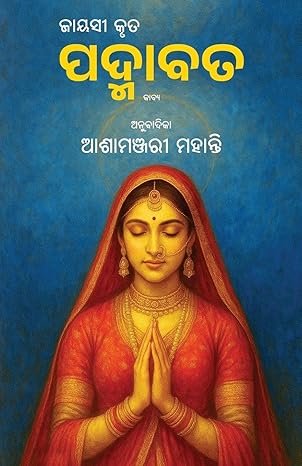
Padmabat
₹800.00‘ପଦ୍ମାବତ’ ସୁଫି ସନ୍ଥକବି ଜାୟସୀଙ୍କର ଏକ ଅନବଦ୍ୟ ରଚନା। ତାଙ୍କର ଏହି ରଚନାରେ ସିଏ ପାର୍ଶୀ ମନସବୀ ପଦ୍ଧତି ଅନୁସରଣ କରିଛନ୍ତି। ତାଙ୍କର ପ୍ରାୟ କୋଡ଼ିଏଟି ରଚନାବଳୀ ମଧ୍ୟରେ ‘ପଦ୍ମାବତ’ ସର୍ବସମ୍ମତ ଭାବେ ଶ୍ରେଷ୍ଠ ବୋଲି ବିବେଚିତ।
ପଦ୍ମାବତର ରଚନା କାଳ ଖ୍ରୀ.୧୫୪୦ ବୋଲି କୁହାଯାଏ। ଏହି କାବ୍ୟରେ ଶେରଶାହଙ୍କ ନାମ ଉଲ୍ଲେଖ ରହିଛି। ତେଣୁ ଏହାର ରଚନା ଶେରଶାହଙ୍କ ସମକାଳୀନ ବୋଲି ଧରାହୋଇଛି।
ପଦ୍ମାବତ କାବ୍ୟରେ ଜୀବନ ଦର୍ଶନ ସୁସ୍ପଷ୍ଟ ଭାବରେ ପ୍ରତିଫଳିତ। ଜୀବନର ନଶ୍ୱରତା କଥା ବାରମ୍ବାର ଉଲ୍ଲେଖ ହୋଇଛି। କବିଙ୍କ ଦୃଷ୍ଟିରେ ମରଣର ସାଧନା ହିଁ ଏଥିରୁ ମୁକ୍ତିର ପଥ। କାରଣ ମୃତ୍ୟୁଲାଭ ପରେ ପୁନର୍ବାର ମୃତ୍ୟୁ ହୋଇପାରେନା। ଏଣୁ ସାଧୁର ମୁଖ୍ୟ ଲକ୍ଷଣ ମରଣ ଲଭିବା। ରତ୍ନସେନ ଓ ପଦ୍ମାବତୀ ଉଭୟ ପ୍ରେମର ସାଧକ ଏବଂ ପ୍ରେମ ଦ୍ୱାରା ମୃତ୍ୟୁକୁ ଜଣିବାକୁ ଚାହିଁଛନ୍ତି। ଜାୟସୀ ଭୃଙ୍ଗ ଓ କୀଟର ସମ୍ପର୍କକୁ ଗୁରୁ ଶିଷ୍ୟର ମାନ୍ୟତା ଦେଇଛନ୍ତି। କୀଟ ଭୃଙ୍ଗରେ ପରିଣତ ହୋଇ ନବ କାୟା ଲାଭ କରୁଛି। ରତ୍ନସେନ ଓ ପଦ୍ମାବତୀ କୀଟର ଜୀବନ ପରିତ୍ୟାଗ କରି ଭୃଙ୍ଗରେ ପରିଣତ ହେବାକୁ ଚାହୁଁଛନ୍ତି।
-

Padmamali
₹300.00Published in 1888, Padmamali, by Umesh Chandra Sarkar, is said to be the first novel in Oriya. The sense in which Padmamali can be claimed to be a novel is complicated, however, by the fact that it intertwines strands from traditional genres with the novel form, mixing the old with the new, marking both continuity and innovation. It is perhaps precisely this generic hybridity which has led to Padmamali being considered the first novel, since while it is both a romance and a chronicle it is also more than either of these. Demonstrating an awareness of the process of telling a story and of its effect on potential readers, the narrator conflates the elements of romance (“the evil intention of the wicked man”) and of chronicle, presenting the story as having been dictated by historical events. Absolving the author of all responsibility, the narrator presents his story as pure historical truth, to which even the most marginal alterations are not permitted. In affirming this, however the narrator also insists on the nature of the text as ‘relation’, ‘narration’ and ‘story’-an insistence that contradicts the absolute faithfulness to history and echoes the Preface of 1888, which presents Padmamali as a product both of the writer’s imagination and of historical fact. As such it justifies the claim made for it as the first novel in Oriya.
-

Padmamali
₹220.00Published in 1888, Padmamali, by Umesh Chandra Sarkar, is said to be the first novel in Oriya. The sense in which Padmamali can be claimed to be a novel is complicated, however, by the fact that it intertwines strands from traditional genres with the novel form, mixing the old with the new, marking both continuity and innovation. It is perhaps precisely this generic hybridity which has led to Padmamali being considered the first novel, since while it is both a romance and a chronicle it is also more than either of these. Demonstrating an awareness of the process of telling a story and of its effect on potential readers, the narrator conflates the elements of romance (“the evil intention of the wicked man”) and of chronicle, presenting the story as having been dictated by historical events. Absolving the author of all responsibility, the narrator presents his story as pure historical truth, to which even the most marginal alterations are not permitted. In affirming this, however the narrator also insists on the nature of the text as ‘relation’, ‘narration’ and ‘story’-an insistence that contradicts the absolute faithfulness to history and echoes the Preface of 1888, which presents Padmamali as a product both of the writer’s imagination and of historical fact. As such it justifies the claim made for it as the first novel in Oriya.
-
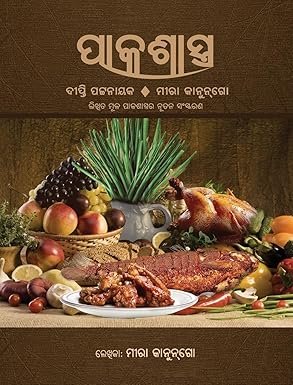
Pakashastra
₹400.00The history of a nation’s table is a reflection of the civilization of that nation. To show the changes in the order and serving of meals from century to century to describe and comment on the progress of cuisine, is to paint a picture of the many stages through which a nation has evolved. Since the distance times when as a weak tribe men lived in dark caves, eating wild roots, raw fish, flesh of animals killed with the spear. It is this history that is the subject of “Paka Shastra” in which Mrs. Meera Kanungo has outlined all the improvements bought to the culinary art. Those who make a profession in culinary art will find in this book, what the art of good eating today. Housewives will be interested in the evolution of the regional cuisine. Professional cooks both men and women will able to draw inspiration from principles of culinary technique found on the knowledge and authority of the author. The paucity of standard books on cooking in Odia language prompted the author to write this book for the benefit of these engaged in either imparting or acquiring knowledge of cookery in educational institutes. The present book will help the housewives to understand food preparation better. Cooks working in hotels and restaurant kitchen will find it useful as it has been presented in simple local language. The author has endeavored to incorporate all the available material into a comprehensive but brief account of cooking. The book highlights the role of various food items and cookery principles. The book is an outcome of long years of practice and research by the author. The present edition of the PAKASHASTRA is the improvement on its first edition authored by late Dipti Patanaik and Meera Kanungo. I came across both of them in late Nineteen seventies when they were doing a course in the then Food Craft Institute and I was faculty member. From those days it has been their keen interest in documenting their experience out of which the first edition of Pakasashtra was evolved and that book was out of market in no time. After the demise of Dipti Patanaik efforts have been made by Mrs. Meera Kanungo to take an improved edition with much better imputed. I am sure the book will be accepted by both housewives and professionals in it’s new and advanced edition.
Bishnu Prasad Tripathy, Retired Principal of ‘Institute of Hotel Management’, Bhubaneswar
-
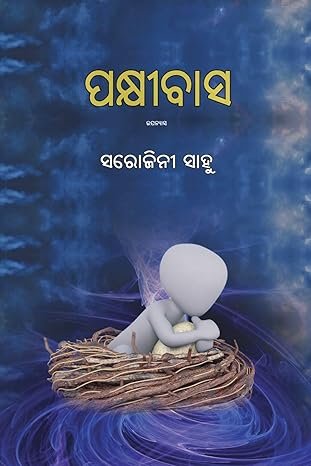
Pakshibasa
Pakshibasa is the saga of the declination of a family, a dream, and a future. This multi-dimensional novel includes a downtrodden family saga; the Communist guerilla war (Maoist movement) in current India; and the socio-economic picture of Orissa. All these subjects are combined with a symbolic representation of a mythical story from the Hindu Vaishnavism holy book Bhagwat. In every aspect, the author’s tone is bold and spiky and heightens the awareness and senses of the reader.
The novel is the saga of an untouchable, downtrodden cattle bone collector, Satnemi and his family, and takes place in western Orissa. It is not a story of an individual person but of an entire family. Antara, the head of the family himself, his wife Sarasi, his three sons Sanyasi, Daktar, and Okil, and his daughter Paraba demonstrate the development of restlessness and frustration regarding the ongoing crisis of mankind.
A downtrodden man has a dream to see his sons established in their lives. So he names them “Collector” (Administrative Officer), “Daktar” (Doctor), and “Okil” (Lawyer). He dreams to see his only daughter, Paraba, as a bride in a respectable and rich family. But where the traditional occupation of cattle bone collection is the only way of living, could this ever be possible?
The elder son, Sanyasi, becomes a bohemian artist adopted by a white-skinned priest and has been lost in Japan where he has gone to perform his folk art. His illiterate wife awaits her husband’s return in an alien city.
The second son Daktar became a bonded laborer as the local youths of western Orissa usually prefer to make their living.
The third son Okil, who is considered by his father to be a lazy good-for-nothing, joins the Communist Guerilla movement, locally known as the Maoist Party.
Three days’ hunger forces Paraba to be raped for a plate of rice by a forest guard who the only representative of the Government in the jungle for the people and who also works as an agent for sex trafficking. Later she adopts the profession of prostitution.
The novel ends with the death of Okil. -
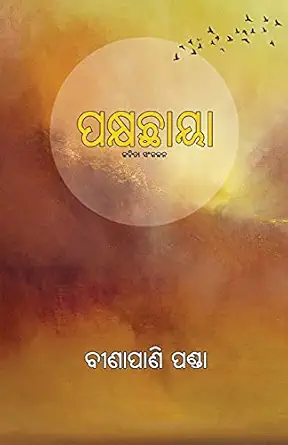
Pakshyachhaya
₹180.00ମୁହୂର୍ତ୍ତରୁ ମନ୍ୱନ୍ତର, ମନ୍ୱନ୍ତରରୁ ମୁହୂର୍ତ୍ତ ।
ବିଂଦୁରୁ ବିସ୍ତୃତି, ବିସ୍ତୃତିରୁ ବିଂଦୁ ।
ଆଁରୁ ଆକାଶ, ଆକାଶରୁ ଆଁ ।
ଉତ୍ତରଣ, ଅବତରଣ, ପ୍ରସାରଣ, ସଂକୋଚନର
ସାତ୍ତ୍ୱିକ ଶୃଙ୍ଗାର କବିତା । ତା’ ଦିନଦିନର
ଦିନଲିପିରେ ଅସୁମାରି ଶିଳା, ଶାଳଗ୍ରାମ,
ସମୁଦ୍ର, ସୈକତ, ଅହଲ୍ୟା, ଅବନ୍ତୀକାର
ଆତ୍ମକଥନ । କ୍ରୋଧ, କାରୁଣ୍ୟ, ପ୍ରେମ,
ପ୍ରାର୍ଥନା, ଦେହ, ଦ୍ରୋହ, ବିଶ୍ୱାସ,
ବୈରାଗ୍ୟ, ସମୟ ଓ ସଂଶୟର
ଅନୁତ୍ତରିତ ପ୍ରଶ୍ନଚିହ୍ନ । ସେ କେବେ
ମୌନ, କେବେ ମୁଖର, କେବେ
ଉଦାସୀନ । ଏମିତି ଏକ ଉଦାସ
ଅବଲୋକନର ଆତ୍ମିକ ଅଙ୍କନ
‘ପକ୍ଷଛାୟା’। କେଉଁଠି କେତେ
ଛାୟାପାତ କରିବ ଜାଣେନା । ହୁଏତ
ନକରିପାରେ ମଧ୍ୟ । ତଥାପି ବିଶ୍ୱାସ
ଅଛି ଧଳାମେଘ, ସ୍ୱଚ୍ଛ ସରସୀ ଓ
ଆଶ୍ୱିନର ଅକ୍ଷତ ଜହ୍ନ ଉପରେ ।
ସେମାନେ କବିତା ସହ ଅଛନ୍ତି ।
କବିତା ସେମାନଙ୍କ ସହ ଅଛି ।
-
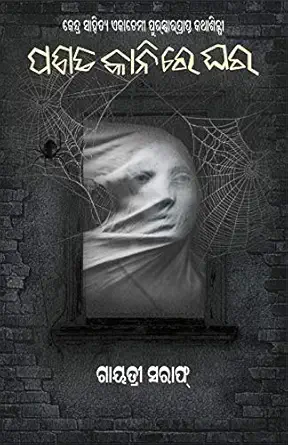
Panata Kanire Ghara
₹200.00This collection has fourteen short stories written beautifully capturing the essence of storytelling by encapsulating the vulnerable moments of our lives so we not only enjoy the experience of reading but also relish its aftertaste. The stories are: Ei ta Udana, Hasanidara Sandhanare, Meghabarna, Nabajanma Pare, Samayara Tiki Tiki Taraphula, Ghunchi Jaithiba Shrabanara Rati, Eka Asahaya Sata, Tallinapanare Kuthia, Phone Asena, Bhangijaithiba Barapha, Nua Thikana, Ujjwala Surujatie.
-
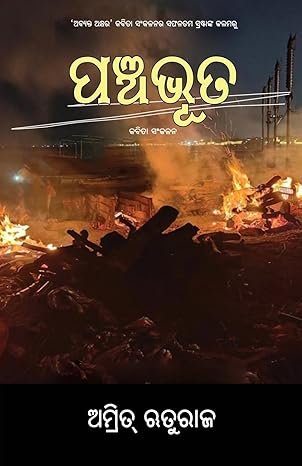
Panchabhuta
₹200.00ସମ୍ବେଦନାରେ ରତ ରତ ମଣିଷପଣିଆକୁ ଗରମ ତେଲରେ ଯେତେ ଛାଣିଲେ ବି ସେ ଜଳିକି ଯେମିତି ପୋଡା ଅଙ୍ଗାର ହୁଏନି, ମରଣ ବି ସେମିତି ଜୀବନର ସତ୍ତାକୁ ସମ୍ପୂର୍ଣ୍ଣ ନିର୍ବାପିତ କରିପାରେନି । ମୃତ୍ୟୁ ଗୋଟେ ସାମୟିକ ବିଶ୍ରାମସ୍ଥାନ ଭଳି ଅଟକେଇ ଦିଏ ଏକ ମହାର୍ଘ ପର୍ଯ୍ୟଟନକୁ । ତା’ ପରେ ବି ଆତ୍ମା ବୁଲେ, ପ୍ରଦିକ୍ଷଣ କରେ । ମୃତ୍ୟୁର ଆତ୍ମଜୀବନୀ ଉତ୍ତରଣ ହେଇଛନ୍ତି କବିତାର ପ୍ରଥମ ଭାଗରେ ।
ଦ୍ୱିତୀୟ ଭାଗ ଆରମ୍ଭ ହୋଇଛି ଆତ୍ମାର ଆତ୍ମକଥାରୁ । ମଲା ପରେ କ’ଣ ହୁଏ? ଏ ପ୍ରଶ୍ନ ଅସମାହିତ ଥିଲା ଆଉ ରହିବ ମଧ୍ୟ । କିନ୍ତୁ କଳ୍ପନାର ପାଟ ଗହୀର ତା’ ବୋଲି କ’ଣ ବୀଜବପନରୁ ବଂଚିତ ହୋଇ ପଡିଆ ପଡିବ ? ଶରୀର ପରିତ୍ୟାଗ ପରେ ଆତ୍ମାର ବି ତ ସ୍ୱାଧୀନତା ଅଛି ନା । ଇହ ଲୋକର ଜଞ୍ଜାଳ ଭିତରେ ବାନ୍ଧି ହୋଇ ସେ ଧଳା-କଳା, ଇହୁଦୀ-ମୁସଲମାନ, ବ୍ରାହ୍ମଣ-କ୍ଷତ୍ରୀୟ, ପୁରୁଷ-ନାରୀ, ତାମିଲ-ଫରାସୀ, ଭାରତୀୟ-ମାର୍କିନ୍ ଇତ୍ୟାଦି କେତେ କେତେ ପରିଚୟ ନେଇ ବଞ୍ଚୁଥିଲା । ପ୍ରତିଟି ପରିଚୟ ଗୋଟେ ଗୋଟେ ବିଭାଜନକାରୀ । ତେବେ, ମୃତ୍ୟୁ ପରେବି କ’ଣ ଆତ୍ମା ଇଏ ପରିଚୟର ସଂକୀର୍ଣ୍ଣତାକୁ ବୋଝ ପରି ବୋହୁଥିବ?
କବିତାର ଦ୍ୱିତୀୟ ଭାଗ ଉପରୋକ୍ତ ପ୍ରଶ୍ନ ସବୁର ଉତ୍ତର ଖୋଜିବାକୁ ଉପତ୍ୟକାରୁ ଉପତ୍ୟକା ବିଚରଣ କରିଛି । ନାନା ଜୀବନ୍ତ, ଜଡ ଉପାଦାନଙ୍କୁ ଭେଟିଛି । ହୁଏତ ବାସ୍ତବ ଉତ୍ତରରେ ପହଞ୍ଚିଛି କି ପହଞ୍ଚିନି ସେକଥା ପାଠକଙ୍କ ବ୍ୟକ୍ତିଗତ ଅନୁଶୀଳନ ଉପରେ ନିର୍ଭରଶୀଳ, କିନ୍ତୁ ଏତିକି ଥୟ ଯେ ଆତ୍ମା ସହ ପାଠକ ମାନେ ମଧ୍ୟ ଏକ ଅତି ଭୌତିକ ପର୍ଯ୍ୟଟନରେ ସାମିଲ ହେବେ । ଏବଂ ଆଶା ଯେ ଆତ୍ମା ସହ ଏଇ ପରିଭ୍ରମଣ ସାଂପ୍ରତ୍ତିକ ଜୀବନର ଅବଶୋଷ, ଜଞ୍ଜାଳ, ଯନ୍ତ୍ରଣା ମାନଙ୍କୁ ମଧ୍ୟ ଅନେକ ପରିମାଣରେ ଆପଣଙ୍କ ମାନସିକ ବୋଝରୁ ଓଲ୍]ହାଇ ଆପଣଙ୍କୁ ହାଲୁକା ଓ ସତେଜ ଅନୁଭବ କରିବାରେ ସହାୟକ ହେବ । ଆତ୍ମନ୍ ଓ ବ୍ରହ୍ମ ଏକ ହେଇପାରେ କିମ୍ବା ଅଲଗା ହେଇପାରେ, ମଣିଷ କିନ୍ତୁ ସ୍ୱଇଚ୍ଛାରେ ସ୍ୱାଧୀନତା ସହ ବଞ୍ଚୁ ଓ ସମ୍ବେଦନଶୀଳତାର ପୁଷ୍କରଣୀରେ ସବୁବେଳେ ଶରୀର ପ୍ରକ୍ଷାଳନ କରୁ, ମୃତ୍ୟୁ ଓ ଆତ୍ମା; ଉଭୟଙ୍କର ଏତିକି କାମ୍ୟ ।
–ଅମ୍ରିତ୍]
-
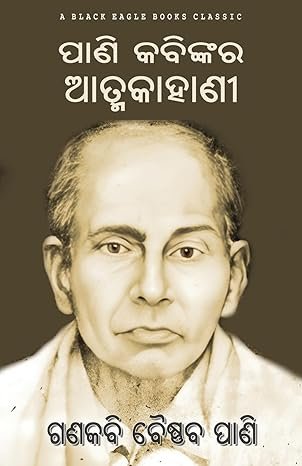
Pani Kabinkara Atmakahani
₹220.00This book “Pani Kabiṅkara Ātmakāhāṇī” (Autobiography of Baishnaba Pani) provides a detailed account of his life, times, and experiences. Originally published in 1955, this autobiography reflects his life from 1882 to 1955 and describes each phase of his life in his own words. It offers readers an insight into the life of a renowned poet and the challenges he faced in his pursuit of artistic excellence.
-
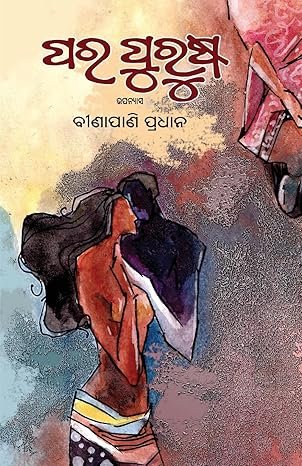
Para Purusha
₹180.00‘ବାୟା ଚଢ଼େଇର ବସା ଓ ଅନ୍ୟାନ୍ୟ ଗଳ୍ପ’ ସଂକଳନରେ ୧୯ଟି କ୍ଷୁଦ୍ରଗଳ୍ପ ଲେଖିସାରିବା ପରେ ମୋତେ ଅନୁଭବ ହେଲା ମୋ ଭିତରେ ସବୁ କାହାଣୀ ଶେଷ ହୋଇଯାଇଛି। କାହାଣୀ ବାକି ନାହିଁ ଆଉ କିଛି ଲେଖିବାକୁ। ଦିନେ ରୁଚିତା ମିଶ୍ର ଆସିଥିଲା, ମୋତେ କହିଲା ତା’ କାହାଣୀ ଲେଖିଦେବାକୁ। ମୁଁ ପ୍ରଥମେ ଶୁଣିବାକୁ ବି ପ୍ରସ୍ତୁତ ନଥିଲି। ସେ କାହାଣୀ ପ୍ରତ୍ୟେକ ସୋପାନକୁ ଏମିତି କହିବା ଆରମ୍ଭ କଲା ଯେ ମୁଁ ଆଡ଼େଇ ଯାଇପାରିଲି ନାହିଁ। ମୁଁ ଭାବିଲି ରୁଚିତା ମିଶ୍ର ନାଁରେ ଗଳ୍ପଟିଏ ଲେଖାଯାଇପାରେ। ସେ ଗଳ୍ପରେ ତା’ ଜୀବନର କାହାଣୀ ବୋହିଚାଲିଲା ଏକ ଅମାନିଆ ସୁଅ ଭଳି। ଯେତେ ବାଧା ଦେଲେ ବି ଏ କାହାଣୀ ଅଥୟ। କାହିଁକି ଅଥୟ ସେକଥା କାହାଣୀ ପଢ଼ିଲେ ନିଶ୍ଚୟ ବୁଝିଯିବେ। ମୁଁ ଲେଖିଲି ତା’ ଜୀବନର ଅବ୍ୟକ୍ତ ଅଧ୍ୟାୟ। ପୃଷ୍ଠା ପରେ ପୃଷ୍ଠା ଦିନକୁ ଦିନ ଯୋଡ଼ିଚାଲିଲି। ପରେ ଅନୁଭବ କଲି ଏ କାହାଣୀ ଖୁବ୍ ଦୀର୍ଘ। ରୁଚିତା ମିଶ୍ର ବି କହିଲା ତୁମେ ଏ କାହାଣୀ କଲମରେ ସାରିପାରିବ ନାହିଁ। ମୁଁ ହସି କହିଲି, ଏଠି ପ୍ରତ୍ୟେକ ଝିଅର କାହାଣୀକୁ କଲମରେ କ’ଣ ଲେଖାଯାଇପାରେ! ସତ କହୁଛି, ଯେତେ ଲେଖିଲେ ବି ମୁଁ ରୁଚିତା ମିଶ୍ରକୁ ସନ୍ତୁଷ୍ଟ କରିପାରିଲି ନାହିଁ। ବୋଧେ କରିପାରିବି ନାହିଁ ଏ ଜନ୍ମରେ। କିନ୍ତୁ ଜନ୍ମ ଦେଇଛି ଉପନ୍ୟାସ ‘ପର ପୁରୁଷ’କୁ। ଏ କାହାଣୀ ଉପନ୍ୟାସ ହୋଇ ଆସିବା ଯେତିକି ଆଚମ୍ବିତ କଥା ନୁହେଁ, ତା’ଠୁ ଅଧିକ ଆଶ୍ଚର]୍ୟ୍ୟ କଥା ହେଲା ରୁଚିତା ମିଶ୍ର ଛଦ୍ମବେଶରେ କାହାଣୀ କହୁଥିବା ନାରୀଟି ଆମ ସମାଜରେ ବଞ୍ଚିଥିବା ଯେକୌଣସି ସାଧାରଣ ନାରୀର କାହାଣୀ। ସେକଥା ଅବଶ୍ୟ ଆପଣମାନେ ବିଚାର କରିବେ।
ଆଉ ଗୋଟିଏ କଥା ଏଠାରେ ଗୁରୁତ୍ୱପୂର୍ଣ୍ଣ। ନୂଆକରି କଲମ ଧରିବାବେଳେ ଗପଟିଏ ଲେଖିବାକୁ ସାହସ କରିପାରୁନଥିବା ଝିଅଟିଏ ଦିନେ ଉପନ୍ୟାସ ଲେଖିବାକୁ ମନ ବଳେଇବାର କାରଣ କ’ଣ? କାହାଣୀରେ କେତେ ଝୁଣ୍ଟିଛି, କେତେ ଫୁଟିଛି ରୁଚିତା ମିଶ୍ର, ଏ କାହାଣୀ କେତେ କୋଳେଇବ ସେକଥା ଆପଣମାନେ ହିଁ କଳିବେ। – ବୀଣାପାଣି ପ୍ରଧାନ
-
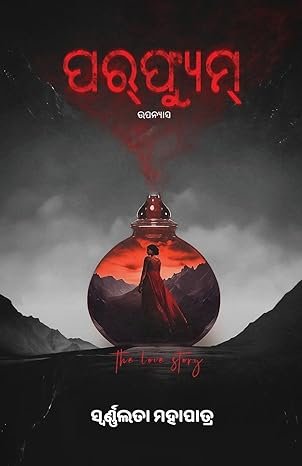
Parfume
₹200.00In the serene mountains of Nepal, Srimaya seeks solace from her bustling life. There, a faint, long-forgotten scent awakens memories of an intense connection, tormenting her quest for solitude.
Haunted by desire and nostalgia, she grapples with her inner turmoil, questioning her identity as a woman. As she delves deeper into her journey, she crosses paths with the enigmatic Gargi, whose life intertwines mysteriously with her own.
Desperate to trace the elusive scent’s origin, Srimaya embarks on a soul-searching odyssey, uncovering the intricate web of human longing and fulfillment. Will she unearth the truth or be forever entangled in the enigma?
-